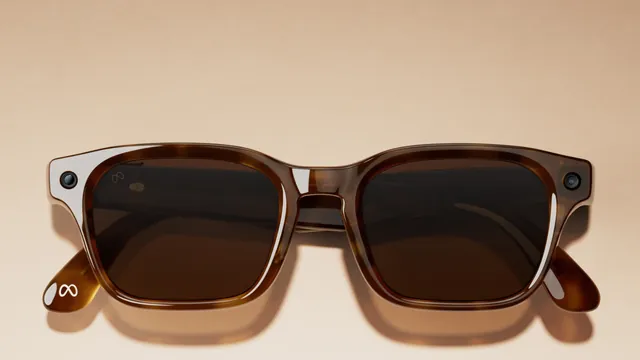
Meta and EssilorLuxottica now sell three generations of Ray-Ban Meta camera glasses, prescription-first Optics frames and a camera-free Audio line. Here's what each one costs, does and lasts, and how they compare with Oakley Meta and Meta Ray-Ban Display.
Oakley's AI glasses come in two models: the everyday HSTN, from $399, and the wraparound Vanguard for high-intensity sport, at $499. They differ in battery life, water resistance, lenses and prescription support.
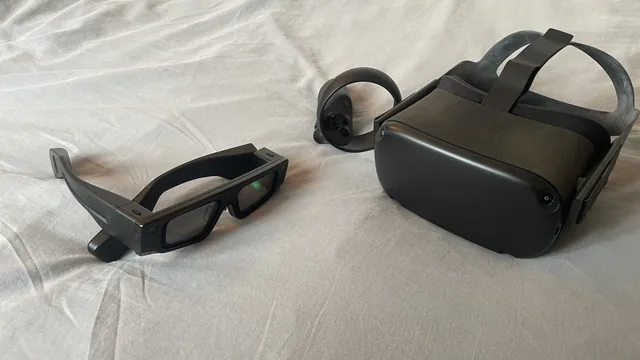
Meta Ray-Ban Display puts a small full-color screen in a pair of Ray-Bans and pairs it with a wristband that reads finger movements. It costs $799 in the US and is now sold online and in five more countries.
Meta's own line of AI glasses starts at $249 and now includes designs with Kylie Jenner and LISA. Here is every model, what it costs, how long it lasts, which prescriptions it takes and where to buy it.
Meta AI is the assistant inside Ray-Ban Meta, Oakley Meta, Meta Glasses and Meta Ray-Ban Display. Here is what it does on each model, which languages and countries get which features, the privacy settings worth knowing, and what changes when Muse arrives.
Snap's first AR glasses for consumers cost $2,195 and are due to ship this fall in the US, the UK and France. They fit a 51-degree display, two Snapdragon chips and the battery into a frame of 132 to 136 grams, after a decade of Spectacles.
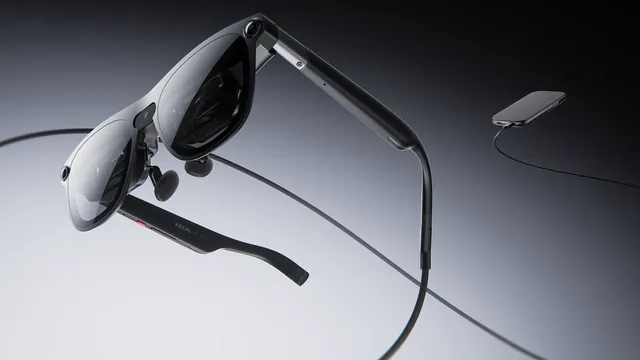
XREAL Aura is the first pair of see-through glasses to run Google's Android XR. Orders opened Oct. 28 in the US, Canada and South Korea at a launch price from $1,099, with shipments starting in mid-November. The glasses weigh under 95 grams and connect to a pocket puck that runs the apps.
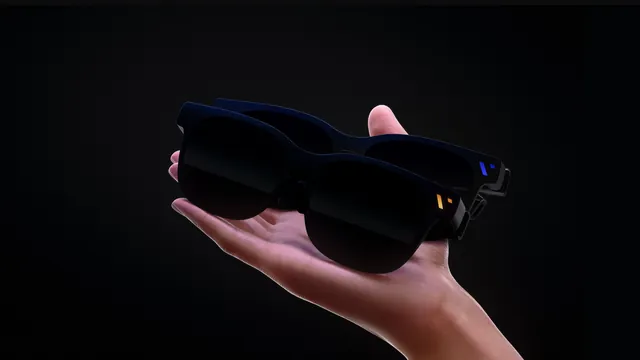
VITURE's display glasses plug into a USB-C device with DisplayPort video. The Pro 2 costs $299, the Beast starts at $549 and a $99 dock connects a Nintendo Switch 2. Here are the models, specs, accessories and what VITURE hasn't published.