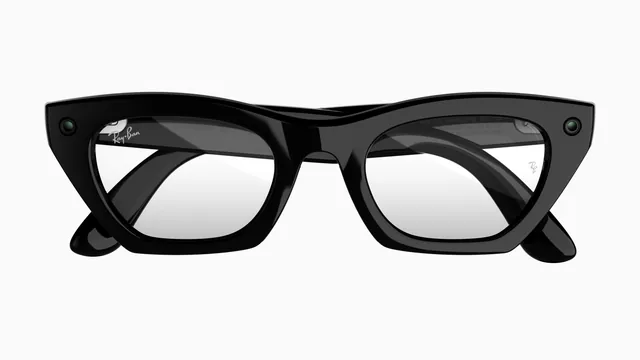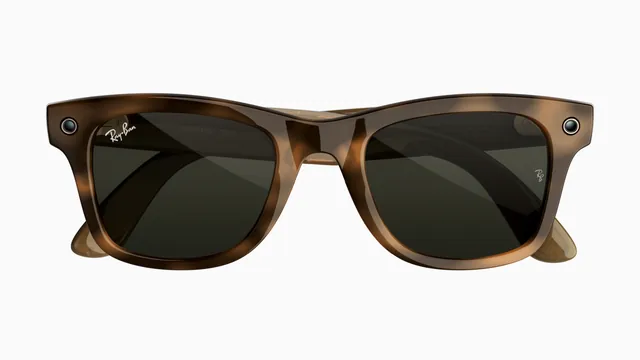
Smart Glasses · Guide
Ray-Ban Meta Gen 3 or Ray-Ban Meta Audio: which new Meta glasses to get
Meta's two new Ray-Bans are $100 apart. One keeps the camera and gets better microphones; the other drops the camera, weighs 43 grams and lasts longer. Here's how to choose.

Part of our Ray-Ban Meta guide
For three years, buying Ray-Ban Meta meant buying a camera. That changed in September, when Meta introduced two new Ray-Ban models side by side: Ray-Ban Meta Gen 3, the next version of its best-selling camera glasses, and Ray-Ban Meta Audio, its first glasses without a camera. Gen 3 starts at $449 and Audio at $349.
This comparison is based on the specifications and prices Meta published. We haven't tested either pair.
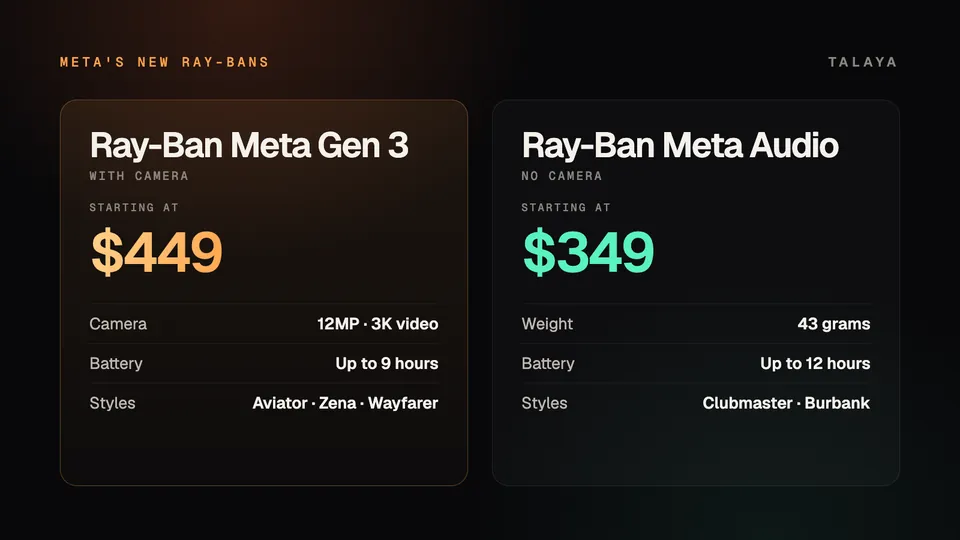
The short answer
If taking photos and videos without reaching for your phone is the reason you want smart glasses, or you want Meta AI to see what you see, get Gen 3. If you mainly want open-ear audio, calls and a voice assistant in frames that are light enough to forget about, get Audio and keep the $100.
Side by side
| Ray-Ban Meta Gen 3 | Ray-Ban Meta Audio | |
|---|---|---|
| Starting price | $449 | $349 |
| Camera | 12MP photos, 3K Ultra HD video | None |
| Battery on the glasses | Up to 9 hours | Up to 12 hours |
| Extra charge from the case | Up to 50 hours | Up to 48 hours |
| Weight | 51.5 grams (standard Wayfarer) to 54.5 grams (Aviator) | 43.1 grams (Burbank) to 47.1 grams (Clubmaster) |
| Microphones | New six-mic array | Six-mic array |
| Styles | Aviator, Zena, Wayfarer | Clubmaster, Burbank |
| Color and lens combinations | 27 | 23 |
| Availability | On sale since Sept. 23 | Shipping since Oct. 13 |
The case figures and microphone counts come from Meta's compare page. The Aviator and Audio weights are from Meta's store listings, and the standard Gen 3 Wayfarer's 51.5 grams is Engadget's figure. Our styles and sizes guide has every frame's measurements.
Why you'd pick Ray-Ban Meta Gen 3
The camera is the whole point. Gen 3 keeps the 12-megapixel sensor and records video in 3K, and a new dynamic photo feature takes several frames each time so you can pick the best one later. The camera is also what lets Meta AI answer questions about what's in front of you.
Meta says the frames are slimmer and more comfortable than before, with adjustable temple tips, and battery life is up to nine hours, an hour more than Gen 2. The new six-microphone array is designed to cut more than 90% of background noise on calls and voice commands. There's also a new customizable action button for jumping straight into Meta AI. Like every camera model, Gen 3 has an LED on the front that lights up when you take a photo or video.
Why you'd pick Ray-Ban Meta Audio
At 43 grams, Audio is the lightest and slimmest pair Meta has made, and Meta says it's light enough to wear all day. The fit is more adjustable too, with temple tips that an optician can adjust, nose pads you can adjust or swap, and hinges that bend outward. It plays music and podcasts, handles calls (Meta claims it picks up your voice more clearly than earbuds) and gives you the voice assistant hands-free.
Battery life is the other win: up to 12 hours on the glasses and up to 48 more from the included case. Both styles, the retro Clubmaster and the rectangular Burbank, work with a wide range of prescriptions.
Skipping the camera also keeps Audio out of the privacy fight. Some restaurants, pubs, cinemas and courtrooms already keep camera glasses out, and Norway is planning a temporary ban on them in many public places, The Guardian reports. Those rules are written about cameras, so a pair without one avoids that whole question.
Two things that apply to both
Meta is adding hearing enhancement, software cleared by the FDA for adults with perceived mild to moderate hearing loss, to "supported" glasses in the US later this year, for $149.99 or as part of a Meta One subscription. It also plans to bring Muse, its new AI agent, to its glasses in the coming months. Meta hasn't listed which models will get either one, so check before you buy if you're counting on them.
If $349 is still too much
Meta's cheapest AI glasses now come from its own Meta Glasses line, not from Ray-Ban: the Meta Adventurer in black with grey lenses starts at $249 with a plug-in case and went on sale on Oct. 23.
Frequently asked questions
Which is lighter, Ray-Ban Meta Gen 3 or Ray-Ban Meta Audio?
Audio. Meta's listings put the Burbank at 43.1 grams and the Clubmaster at 47.1 grams, against 54.5 grams for the Gen 3 Aviator. Engadget measured the standard Gen 3 Wayfarer at 51.5 grams.
Which lasts longer on a charge?
Audio, at up to 12 hours with up to 48 more from the case. Gen 3 is rated for up to nine hours, with up to 50 more from its case. Our battery life guide compares every model.
Can Ray-Ban Meta Audio take photos or answer questions about what I see?
No. Audio has no camera, so photos, video, visual questions to Meta AI and Live AI are only on the camera models such as Gen 3. Audio keeps the speakers, six microphones and Meta AI by voice, as our Audio guide explains.
Sources
- Engadget: Ray-Ban Meta Gen 3 vs. Ray-Ban Meta Gen 2 (Sept. 24, 2026)
- Meta Store: Compare AI glasses
- Meta: Introducing Ray-Ban Meta Audio and more AI glasses styles (Sept. 23, 2026)
- Meta: Your personal agent coming to AI glasses, with hearing enhancement details (Sept. 23, 2026)
- The Guardian: Norway plans temporary ban on smart glasses in some public places (Oct. 5, 2026)
Join the conversation
Questions, or something to add? Talk about it with other smart glasses owners in r/Talaya, our community on Reddit.