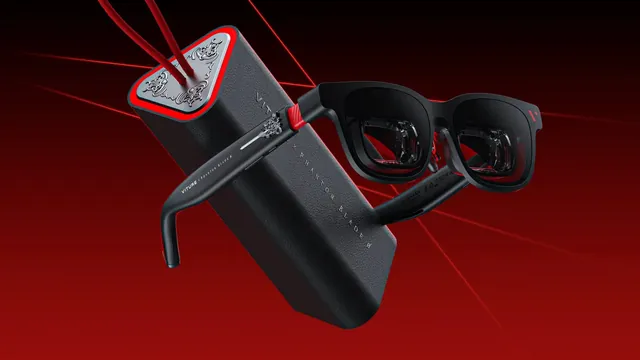
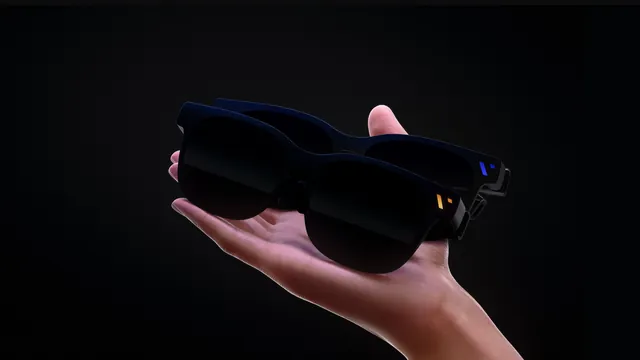
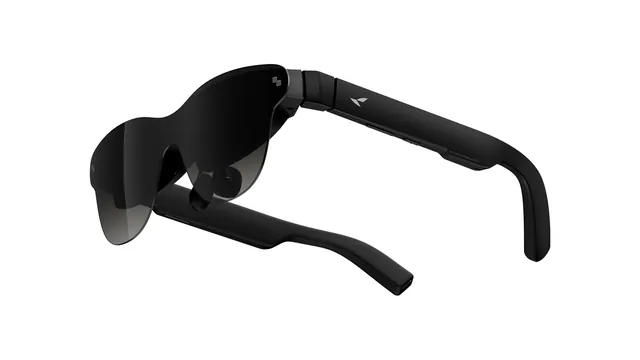
VITURE and S-GAME are taking pre-orders for the Phantom Beast, a $599 edition of the Beast display glasses themed on Phantom Blade Zero. It adds a metal-and-leather case and four collectibles. The optics and display are unchanged, and VITURE hasn't given a shipping date.
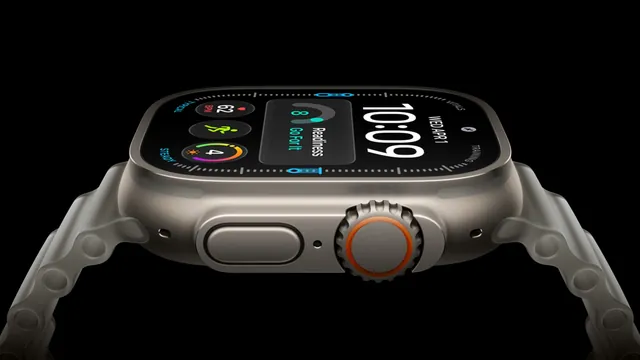
Most people should buy the Series 12. The Ultra 4 is worth it if you swim deep, run long, hike far from cell service or want satellite Emergency SOS. Here is how they compare on Apple's own specifications.
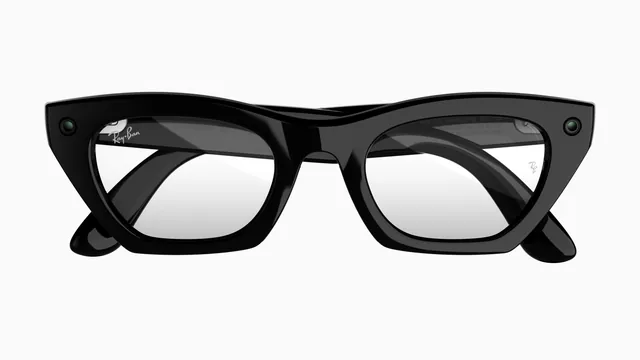
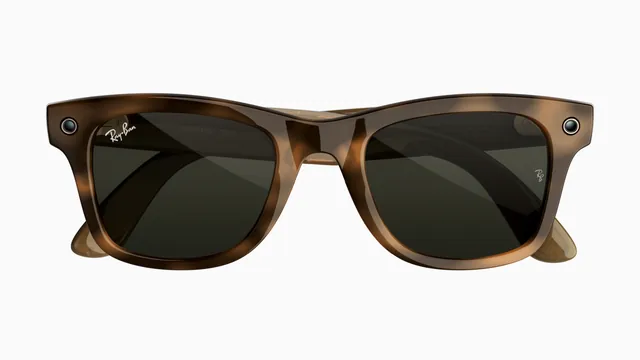
Only one outlet has published a full review of the Ray-Ban Meta (Gen 3) after using it. Gizmodo found longer battery life and adjustable temple tips, but the same camera and audio quality, and calls that didn't sound upgraded.
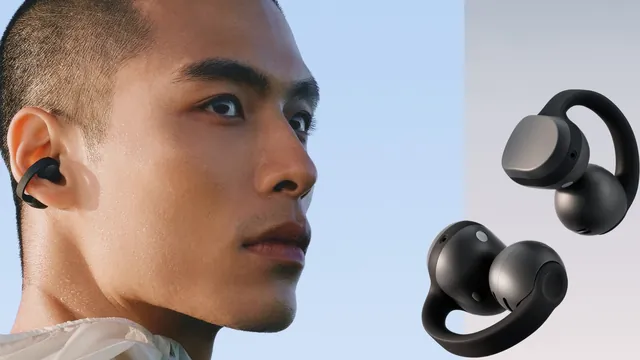
Samsung Electronics America announced Oct. 28 that Galaxy Buds On, clip-on open-ear earbuds, will cost $229 in Black and reach the US in early November 2026. Samsung hasn't given an exact day, other colors or non-US prices.
Garmin reported record third-quarter revenue of $1.99 billion on Oct. 28, up 12%. The release does not break out wearables, so it says nothing direct about how its watches sold.
Both pair with Android phones and both have Gemini, and Samsung's costs about $20 less. The real split is the phone you carry, the health tools you want and how you plan to use LTE.
Reviewers praised the display and the Neural Band, then split on battery, weight, Meta-only apps and the $799 price. Here is what six outlets found, with the date of each review.
Fitbit Air is Google's screenless band, priced at $99 in Google's May announcement. Coaching sits behind Google Health Premium, which is free for three months and then $9.99 a month or $99 a year. Google's own pages disagree on which phones it supports.
VITURE's display glasses plug into a USB-C device with DisplayPort video. The Pro 2 costs $299, the Beast starts at $549 and a $99 dock connects a Nintendo Switch 2. Here are the models, specs, accessories and what VITURE hasn't published.
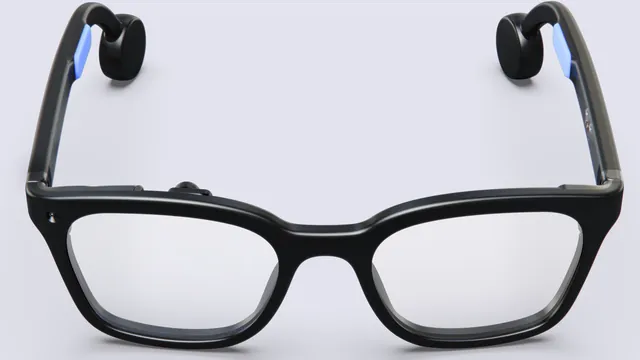
Nuance Audio glasses are EssilorLuxottica's open-ear hearing glasses for adults with perceived mild to moderate hearing loss, FDA-cleared under 510(k) K243150. The newer Nuance Audio Plus starts at $829 in the US, the company says.
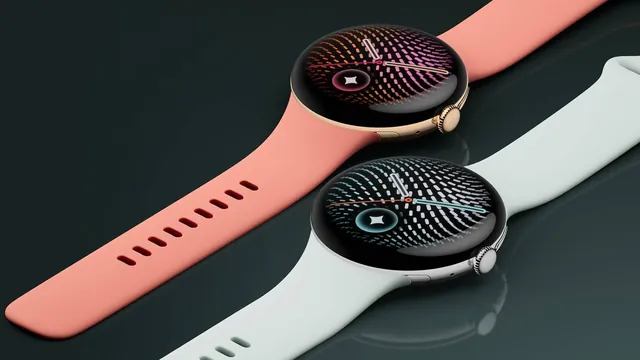
Google and Samsung each sell a Wear OS watch for Android owners in the US: the Pixel Watch 5 from $399.99 and the Galaxy Watch9 from $379.99. What each costs, which phone it needs, and what the store pages leave out.
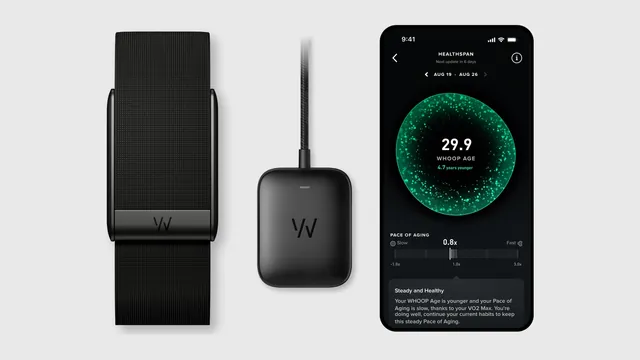
Whoop, Oura, Google's Fitbit Air and Edge, Amazfit's Helio Strap and Samsung's Galaxy Ring compared by what you pay up front and every year after, plus battery life.
Ray-Ban Meta (Gen 3) is AI glasses with a camera and no display, from $449. XREAL One is a display for a USB-C device with no built-in camera, listed at $399 and showing a back-in-stock sign-up on XREAL's US store on Oct. 28, 2026.
Brilliant Labs says its Halo glasses launched Oct. 27 at $399, with Noa memory and a game called Narrative. The price and the memory tiers are on the store page. Narrative, the privacy claims and the battery figure rest on the company's word.
Ray-Ban Meta translates by ear and reads signs with its camera, while Even G2, Rokid and Meta Ray-Ban Display show translations in the lens. Here is how they compare on languages, cameras, battery and flying.
Oakley Meta Vanguard is the pair Meta built for runners, with an IP67 rating and Garmin stats by voice in the US. HSTN, Ray-Ban Meta and Engo's display glasses suit other runners, and each gives up something.
Cycling smart glasses are either camera and audio pairs like Oakley Meta Vanguard or display pairs like Engo 3 that put ride data on a lens. Here is how they compare on helmets, wind, traffic and price.
XREAL, Viture and RayNeo make plug-in glasses that turn a phone, laptop, handheld or console into a big screen. Here is how their models compare on view, brightness, refresh rate, weight and what they connect to.
Ray-Ban Meta glasses have speakers and Meta AI but no display, with a camera on Gen 3 from $449, while the $599 Even Realities G2 shows text in both lenses and has no camera. This comparison covers battery, weight, prescriptions, privacy and who each suits.
Whoop is a screenless band sold as a membership from $199 a year, and Oura is a ring from $399 plus $69.99 a year for most features. This guide compares their cost over two years, sleep and health features, FDA status and who each suits.
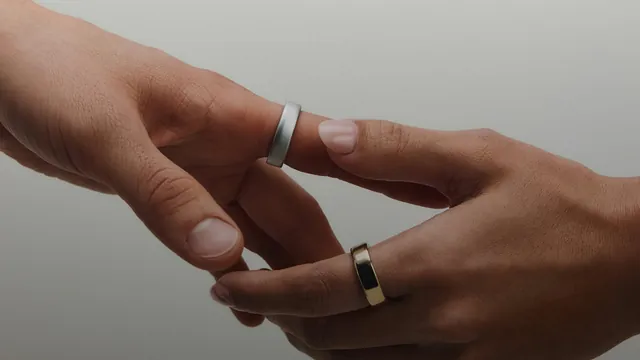
Oura says Ring 5 is 40% smaller than Ring 4, with a rated battery of six to nine days against five to eight, and the new software works on both. This guide covers what changed, what each costs, how sizing differs and who should upgrade.
Meta, Valve, Samsung, Apple and Sony all sell a different kind of VR or mixed reality headset in the US, from $349.99 to $3,699. Here is how they compare on price, display, weight, battery, tracking and apps, and who each one suits.
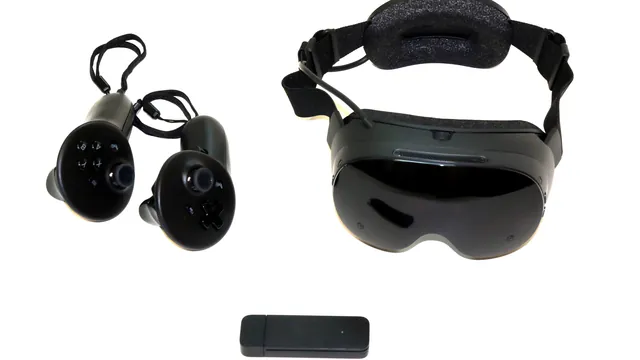
Valve's Steam Frame is a standalone SteamOS headset that also streams PC VR through its own wireless adapter. It costs $1,059 with 256GB or $1,299 with 1TB. Here is what's in the box, what runs on it and how it compares with Quest 3, Meta VR Glasses, Galaxy XR and Vision Pro.
Oura, Whoop, Samsung and Ultrahuman say their products are HSA or FSA eligible, and Apple says Apple Watch may be reimbursable. The IRS says it depends on why you buy the device. What each says, how medical necessity letters work and who decides.
Can we count your visit?
With your permission, Google Analytics tells us how many people come and where from. How it works.