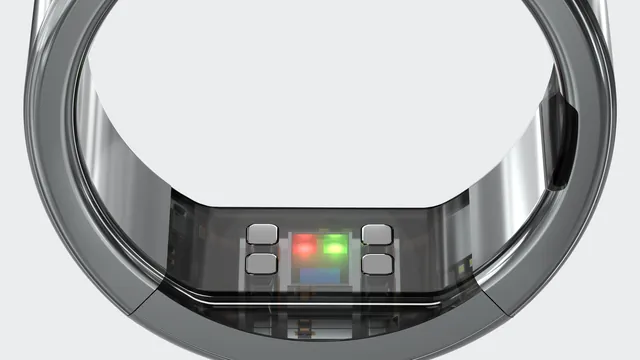
Five rings sold in the US need no membership for their main features. What Samsung, RingConn, Ultrahuman and Circular charge, how long each lasts, which phones work and what each sells as an optional extra.
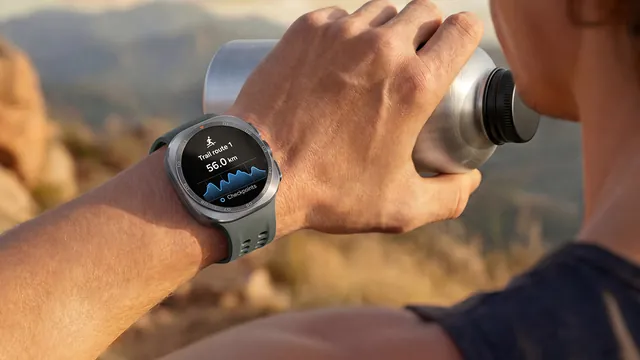
Samsung's US watch page lists the Galaxy Watch9 from $379.99, the Galaxy Watch Ultra2 at $699.99 and last year's Watch8 Classic. Sizes, battery ratings, LTE, health features, Gemini and which phones they need.
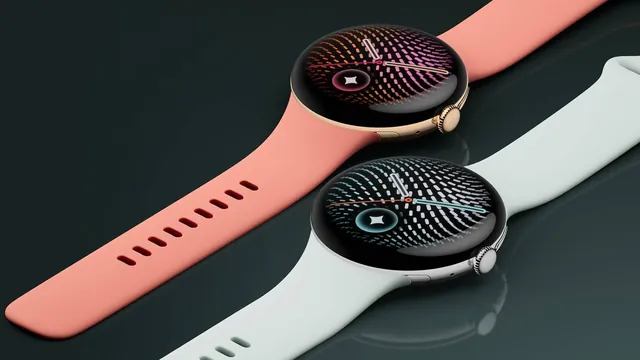
Google's store lists one Pixel Watch, the Pixel Watch 5, from $399 for the 41 mm and $429 for the 45 mm. Battery, charging, LTE, Gemini, the Google Health Premium fee, Android-only support and what changed from Pixel Watch 4.
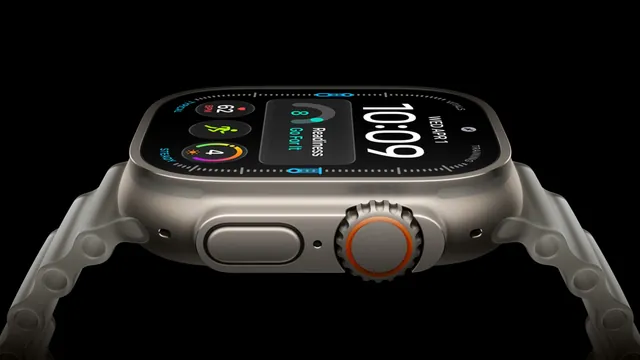
Apple Watch Ultra 4 costs $799 and is rated for up to 50 hours. Garmin's Fenix 9 starts at $999.99 and is rated for up to 29 days in smartwatch mode. How they compare on GPS battery, maps, dive and satellite features, subscriptions and phone support.
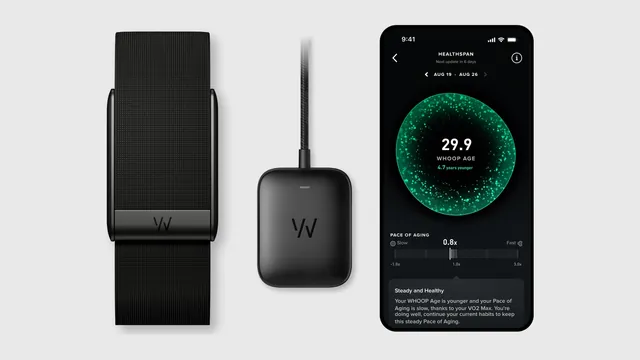
Whoop's screenless band comes with a membership: One at $199 a year, Peak at $239 and Life at $359. What each plan adds, how Whoop 5.0 differs from Whoop MG, the FDA status of ECG and Blood Pressure Insights, and who the band suits.
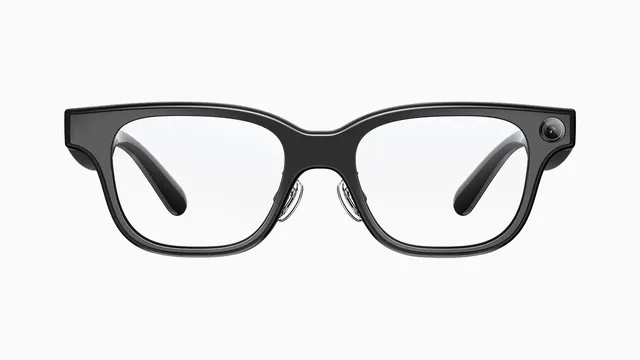
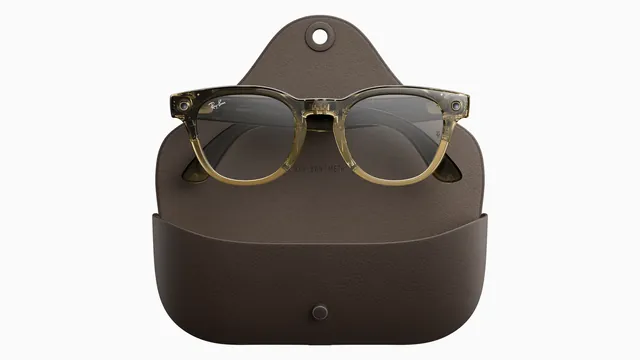
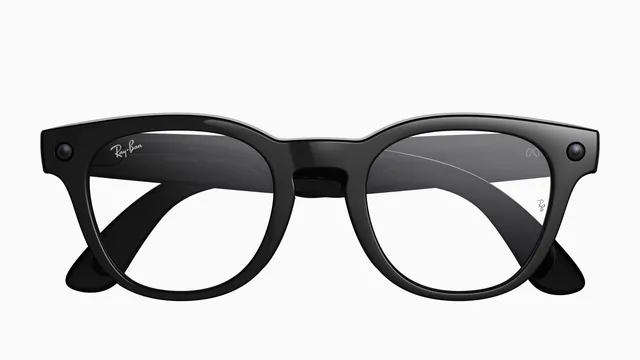
The cheapest smart glasses with a camera cost $249, and Ray-Ban Meta Gen 2, Oakley Meta HSTN and a few other pairs list at $399 or less. This guide covers what each does, who it suits and what you give up compared with pricier models.
Meta's glasses, Even Realities' G2, Amazon's Echo Frames and plug-in display glasses all work with an iPhone, within limits each company spells out. This guide covers what each needs, what iOS changes and what Apple itself sells.
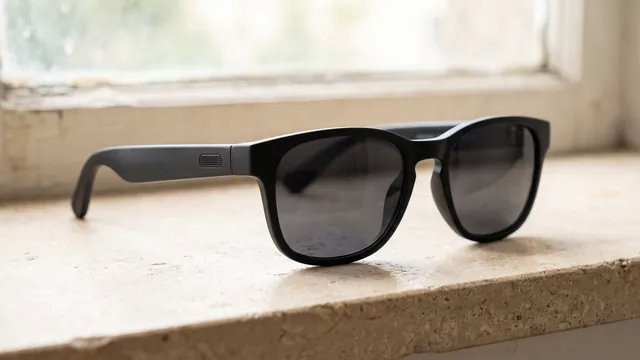
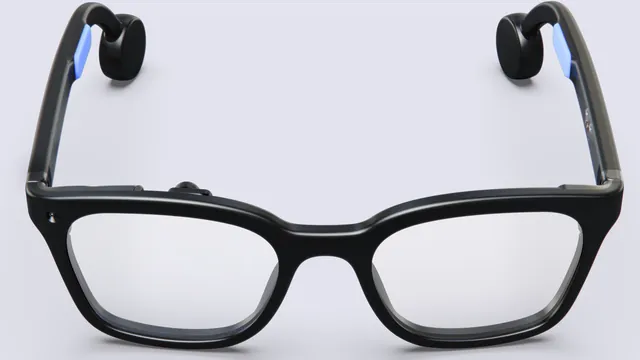
Smart glasses without a camera can't take photos or video, which is why people pick them for privacy, workplaces and venues with recording rules. Here are the audio, display and screen options, with prices and what each one leaves out.
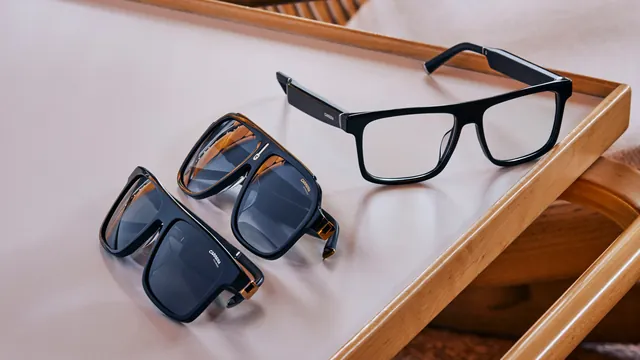
Echo Frames are Amazon's Alexa audio glasses, with no camera or display, and the 2023 third generation comes in seven styles, two from Carrera. Amazon's listings now show them as unavailable; here is what they offer, what they cost and how they compare with Ray-Ban Meta Audio.
Brilliant Labs' store now lists one pair of glasses, the $399 Halo, with a color microOLED display, a small camera and the Noa assistant, and its earlier Frame is gone. Here is how they compare, what is open source and what to check before ordering.
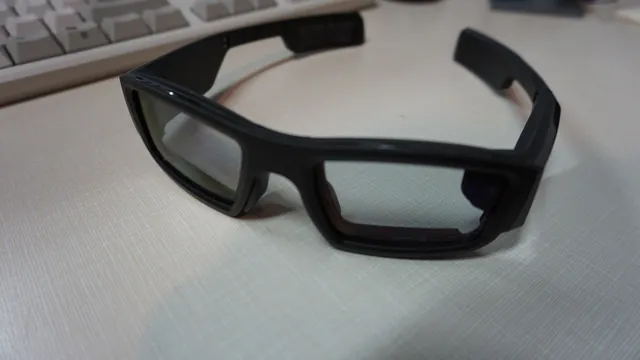
Vuzix sells work glasses to businesses and waveguide displays to other companies, and its one everyday-style pair, the $499 Z100, is out of stock and gone from its site. Here is what the Z100, M400, LX1 and Blade are, what they cost and what Vuzix reports about its OEM deals.
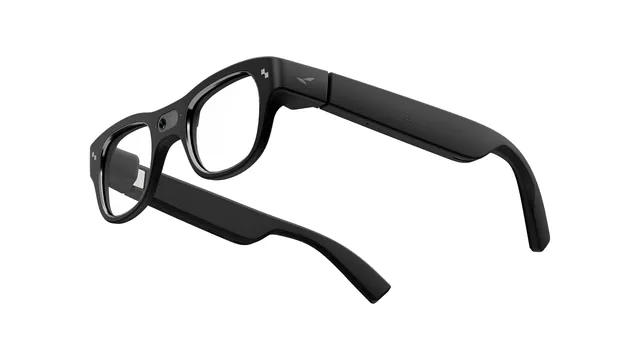
Rokid sells AI glasses with a camera and a small display in each lens, a display-free Style model and older AR glasses for gaming and video. On Oct. 27 it also launched Glasses 2, the full-color Rokid Color and the Rokid Ring, priced so far only in yuan. Here is what each does, what it costs, where US buyers can get it and how the Kickstarter launch fits in.
RayNeo sells the X3 Pro, standalone AI and AR glasses with a camera, plus Air and GT screen glasses that plug into a phone or console and the camera-free iO. Here is what each line does, what it costs in the US and who it suits.
The Even G2 is a camera-free pair of display glasses for $599. Meta Ray-Ban Display costs $799 with a camera, a full-color screen and a wristband. Here is how they compare on price, display, controls, battery, prescriptions and privacy.
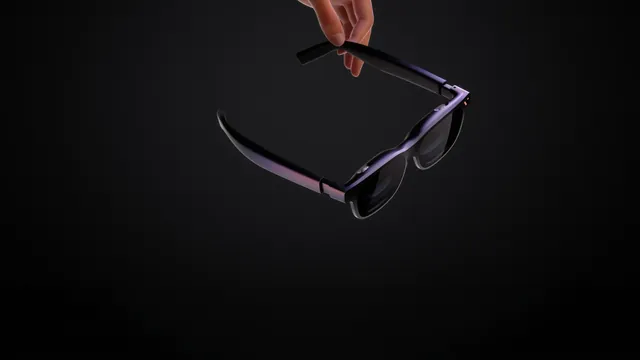
XREAL and Viture both make glasses that plug into a phone, laptop or console and show a big virtual screen. Here is how their current lineups compare on price, display, dimming, prescriptions, compatibility, accessories and Android XR.
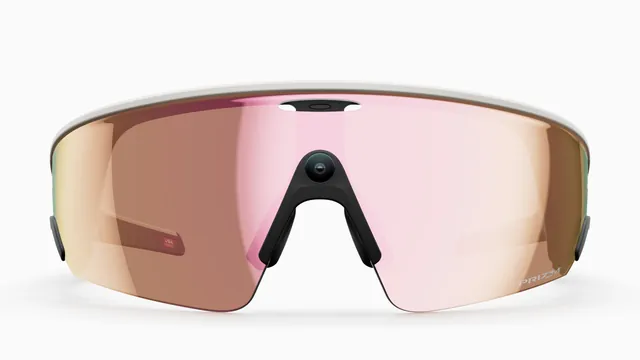
Oakley Meta HSTN comes with Prizm, Prizm Polarized, Transitions or clear lenses, and Vanguard with Prizm or Prizm Transitions. Here is what each costs, what Oakley says it is for and what spare lenses run.
Meta Ray-Ban Display takes single-vision prescriptions from -4.00 to +4.00, built into the display lens when you buy, so a new prescription means a new order. The glasses come in two frame sizes, and the Neural Band comes in three.
Vanguard costs $100 more than HSTN and has an IP67 rating, louder speakers, a shield lens made to fit under helmets and an extra hour of battery. HSTN is the cheaper everyday pair and the only one sold with prescription lenses.
Oakley Meta HSTN is sold with prescription lenses and Vanguard isn't. Oakley lists a range of -6.00 to +4.00 for HSTN, while the prescription FAQ on Best Buy's Meta page lists -12.00 to +6.00, so confirm your numbers before you pay.
Lost, broken or just short of a spare? Meta says you can order a replacement Ray-Ban Meta charging case, but its two cases fit different glasses. Here is how to order one, what it costs and what to do while you wait.
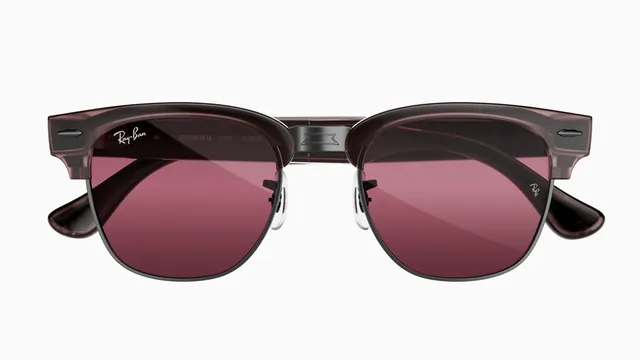
Meta, Ray-Ban, Best Buy, Amazon and the optical chains all sell Ray-Ban Meta glasses, but they differ on in-store try-on, prescription lenses and return windows. Here is what each seller offers, plus how to buy a used pair or time a gift.
Prescription Ray-Ban Meta pairs may qualify for FSA, HSA and vision insurance, according to Best Buy, and Ray-Ban's site has an insurance option at checkout. Here is what the sources say, what the IRS requires and what only your plan can answer.
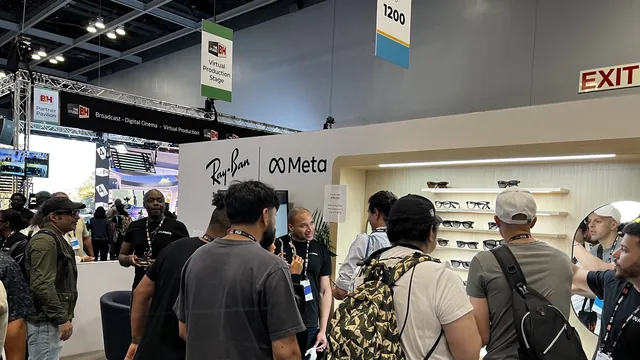
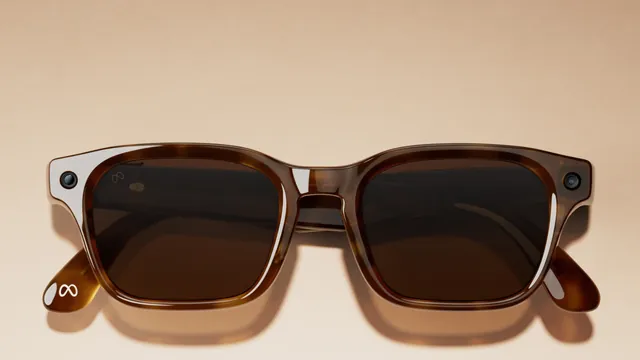
Meta's own line of AI glasses starts at $249 and now includes designs with Kylie Jenner and LISA. Here is every model, what it costs, how long it lasts, which prescriptions it takes and where to buy it.
Ray-Ban Meta Audio is Meta's first pair of glasses without a camera: $349, as light as 43 grams and rated for up to 12 hours of battery. Here is what is in the frames, what is missing and who they suit.
Can we count your visit?
With your permission, Google Analytics tells us how many people come and where from. How it works.