Smart Glasses · Analysis
Ray-Ban Meta Gen 3 reviews: what the first full review found
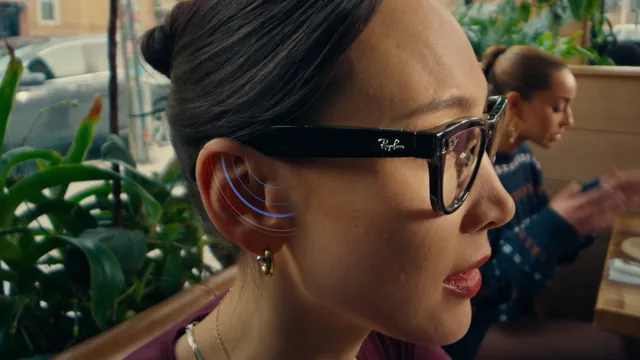
Only one outlet has published a full review of the Ray-Ban Meta (Gen 3) after using it. Gizmodo found longer battery life and adjustable temple tips, but the same camera and audio quality, and calls that didn't sound upgraded.
The first full review of the Ray-Ban Meta (Gen 3) after real use comes from Gizmodo, and it is the only one Talaya has found so far. That means there is no critics' consensus yet, just one reviewer's findings and a launch comparison from Engadget, which says it still needs to do a full review. Gizmodo's verdict: the Gen 3 has "better battery life and some hardware tweaks, but not much else that makes them a major upgrade over the last generation."
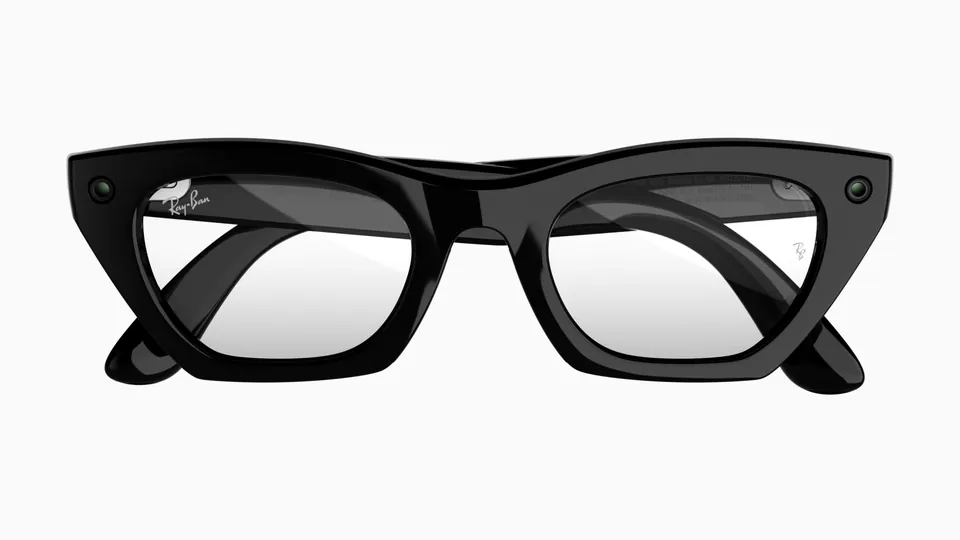
Meta launched the Gen 3 on Sept. 23, 2026, starting at $449 in three styles (Aviator, Zena and Wayfarer). Gizmodo's James Pero published his review on Oct. 7, testing the Zena, a cat-eye frame. The review doesn't say how long he used it.
What the review found
Battery: better, not dramatically
Meta rates the Gen 3 at up to nine hours, an hour more than Gen 2, plus an additional 50 hours with the charging case, according to Meta's comparison page. Gizmodo ran one test: music at about 60% volume. The battery fell from 100% to 85% in an hour, "which would equate to more than six hours total." The reviewer said Gen 2 gave about five hours with constant audio and the Gen 3 about six, calling it "Not a huge improvement, but an improvement nonetheless."
That is one test with one workload. It isn't comparable with Meta's "up to" figures, and Talaya found no other published Gen 3 battery measurement. For battery figures across generations, see our Ray-Ban Meta battery life guide.
Calls: where the review and Meta disagree
Meta says the new six-mic array "cuts more than 90% of background noise." Gizmodo's reviewer wasn't convinced. He called two people during the review, and both reported hearing "cars, trains, and people talking quite clearly in the background" over several-minute conversations. His summary: calling, "which was supposed to be improved, doesn’t feel upgraded to me." He still rated the Gen 3 ahead of most smart glasses and earbuds for calls.
Both statements can be true. Meta's number is a design claim and Gizmodo's is a real-world test with two callers. Talaya found no published measurement of Gen 3 call quality, and Engadget said the mic change "will have to be tested" to see if it's meaningfully different.
Camera: unchanged, but smaller
Gizmodo says the Gen 3 has "the same 12-megapixel camera with up to 3K video capture" as the last generation. Meta's comparison page lists 3K video at 30 frames per second. The reviewer noted Meta made the camera 36% smaller than before, so it is less noticeable. Meta also added dynamic photos, where you choose the best frame. See our camera quality breakdown for specs by generation.
On privacy, Gizmodo pointed out there is no shutter and no voice command to stop filming. The capture LED is still the only signal to people nearby.
Audio: same quality, new options
The reviewer heard "the same (albeit very good) audio quality" as earlier models. Two things were new. Spatial audio, available in the Meta AI app since September, adds "more dimension," and going back to non-spatial audio "feels a bit tinny in comparison." There is also an audio balance setting that raises the volume on one side, plus a mono option, both aimed at accessibility. Dolby Atmos video capture is announced for later in 2026, and Gizmodo couldn't try it. For the camera-free model, see our Ray-Ban Meta Audio explainer.
Meta AI: a real step, with quirks
Gizmodo called Muse, Meta's new agent, "a significant upgrade to the AI experience in Meta’s smart glasses," then listed rough edges. One example: "I cannot get it to play ambient music on Spotify, for some reason." Meta added a customizable action button for quick access to Meta AI. Read more in our Muse explainer and our Meta AI on smart glasses hub.
Comfort: the tips help
All Gen 3 styles now have adjustable temple tips, which the reviewer said is good for wider heads prone to getting squeezed. Gizmodo also notes Meta is "reducing arm height by 1mm." Overall the glasses have "the same general feel on your face" as Gen 2. Engadget's comparison gives the Gen 3 Wayfarer as 129 mm hinge to hinge against 131 mm for the standard Gen 2, and 51.5 g against 51 g. Our fit adjustment guide covers the tips.
Gen 3 versus Gen 2
| Ray-Ban Meta (Gen 3) | Ray-Ban Meta (Gen 2) | |
|---|---|---|
| US price | From $449 | About $379 (about $70 less) |
| Battery | Up to 9 hours, 50 more with case | Up to 8 hours (an hour less, per Meta), 48 with case per Engadget |
| Camera | 12 MP, up to 3K video | Same, per Gizmodo |
| Microphones | 6-mic array | 5 mics, per our comparison |
Engadget notes that most features announced with Gen 3 also come to Gen 2, and called the new model "an iterative, expensive update." Talaya saw Gen 2 still listed from $379 on Ray-Ban's US store on Oct. 25.
Who it's for, and who should wait
This is our reading of the review and the specs, not a test. If you own a Gen 2, Gizmodo's reviewer found it "difficult" to urge anyone to rush out and buy a pair. Engadget said a used Gen 2 is likely a better deal, unless you need a prescription. If you're buying new and want the longer battery and adjustable tips, the Gen 3 is the current model. Gizmodo's listed cons were calling quality, the price, privacy, Muse quirks and being mostly the same as last generation.
What's still unknown
- How long Gizmodo used the glasses.
- Whether the Aviator and Wayfarer behave like the Zena, which was the only style tested.
- Independent battery and call measurements.
- Whether Meta will retire Gen 2. Meta hasn't said.
For the full spec comparison, see Gen 3 vs Gen 2, Gen 3 vs Ray-Ban Meta Audio, the styles and sizes guide, prices by country and our Ray-Ban Meta glasses hub. If you're also weighing Meta's glasses with a screen, see our Meta Ray-Ban Display reviews.
Talaya hasn't tested the Ray-Ban Meta (Gen 3). This summary is based on a review from Gizmodo, published Oct. 7, 2026, a launch comparison from Engadget, published Sept. 24, 2026, and on Meta's published specifications.
Frequently asked questions
Is the Ray-Ban Meta Gen 3 worth upgrading from Gen 2?
Gizmodo's reviewer found it difficult to urge anyone who already owns the last generation to rush out and buy a pair. Engadget, in a launch comparison, said buyers who don't need a prescription could likely get a better deal on a used Gen 2.
How long does the Ray-Ban Meta Gen 3 battery last?
Meta rates it at up to nine hours, an hour more than Gen 2. In Gizmodo's test, music at about 60% volume took the battery from 100% to 85% in an hour, which the reviewer put at more than six hours in total.
Did the six microphones improve calls on the Gen 3?
Meta says the array cuts more than 90% of background noise. Gizmodo's reviewer said calling did not feel upgraded, and two people called during the test still heard cars, trains and talking in the background.
Is the Gen 3 camera better than Gen 2?
Gizmodo says it is the same 12-megapixel camera with up to 3K video. The camera module itself is smaller, which the reviewer says makes it less noticeable. Meta also added dynamic photos, which let you choose the best frame.
Sources
Join the conversation
Questions, or something to add? Talk about it with other smart glasses owners in r/Talaya, our community on Reddit.