
Smart Glasses · Guide
What Meta's Muse agent will actually do on your Ray-Ban Meta glasses
Meta's personal AI agent books, buys and plans on your behalf, and it's headed to the company's glasses "starting next month," according to a Yahoo Finance transcript of Meta's Oct. 21 earnings call. Here is how it differs from Meta AI, what it costs and what's still unknown.
Part of our Meta AI guide
The assistant on Meta's glasses mostly answers questions: what's the weather, what am I looking at, what is this person saying in Spanish. Muse is Meta's attempt at an assistant that does the work for you, and at Connect in September the company said it is bringing it to its AI glasses, a lineup that includes Ray-Ban Meta, "in the coming months."
Update, Oct. 28, 2026: On its Oct. 21 earnings call, Meta said, according to a Yahoo Finance transcript, that "Muse is coming to Meta Glasses starting next month." Connect had only said "in the coming months."
What Muse is
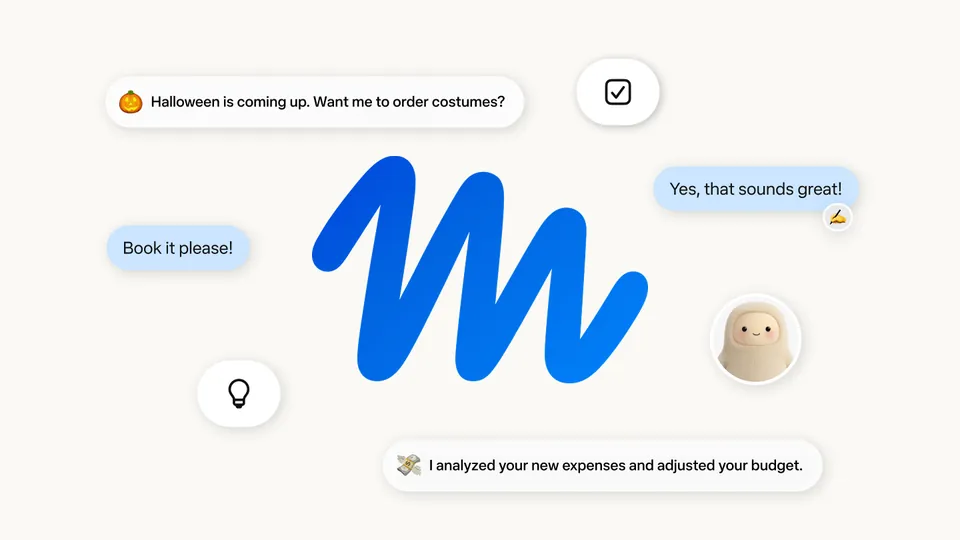
Meta introduced Muse on Sept. 8 as a personal AI agent. You tell it what you need in the Muse app or in WhatsApp, the way you'd message a person, and it acts: it can open a browser, fill out forms, send an email, book travel or negotiate on your behalf. For longer jobs it keeps working after you close the app and comes back when something changes or when it needs your approval.
It also remembers. Meta's examples include turning a recipe reel you saved on Instagram into a grocery list, or remembering your friends' dietary restrictions before it sends out dinner invitations. It runs on Muse Spark, which Meta called its most capable model when Muse launched.
What it will do on your glasses
Meta laid out the glasses version at Connect on Sept. 23. You'll be able to say your agent's name and give it a request, and Muse can act on what you're looking at, so you don't have to describe it. Meta's examples: a product on a shelf, a flyer on a wall, a long list of school supplies.
In its own blog post, Meta lists more. You could ask Muse to guide a workout, log a meal and get nutrition insights, buy something you see, book an appointment, check flight prices or track down a missing part while you're driving, cooking or running. It works in the background and checks back when it's done.
There's also a voice mode built for long conversations. Meta says Muse can keep working on a task while you're still talking to it.
How it's different from Meta AI
Meta AI, the assistant already on the glasses, handles quick requests and can describe what's in front of you. Muse is built for jobs with several steps that take time and reach into other services through what Meta calls connectors. It launched with dozens of partners and access to the Shopify catalog, and Meta announced more at Connect: Walmart, Best Buy, American Eagle Outfitters, Dick's Sporting Goods, Fanatics, Gap, Michael Kors, Sephora, Ulta and Wayfair for shopping, Shop Pay and PayPal for payments, Instacart for groceries, and Notion, Granola, GitHub and Box for work. Expedia is coming. Muse will also get its own email address.
How Meta says it protects your data
An agent that can buy things and send email needs more guardrails than a chatbot, and Meta has spelled out its approach:
- Each Muse runs on its own virtual machine in the cloud, which Meta calls Muse Secure VM, along with your data and the logins for services you connect.
- A separate "Sentinel" agent on the same machine has to approve anything Muse sends to the internet, and asks you when needed.
- Muse can't see your passwords or payment details. When it pays with Link by Stripe, a one-time card number keeps your real card hidden.
- It asks before sensitive actions like sending an email or buying something, and it keeps an audit trail of what it has done.
- You choose which apps it connects to and how much access it gets, and you can opt out of having your interactions used to train Meta's AI models. Meta says Muse doesn't share your conversations or the data in your virtual machine with its ad systems.
Meta also says a version later this year will encrypt the whole virtual machine with a key only you hold.
What it costs
Meta says Muse is free "for most of what people need," with subscription plans for people who want to do more. It hasn't said whether using Muse on glasses will change that.
What's still unknown
On its Oct. 21 earnings call, Meta said "Muse is coming to Meta Glasses starting next month," according to a Yahoo Finance transcript. That transcript doesn't give an exact day, say which models get it first or define what "Meta Glasses" covers. It also has Muse "coming soon to our new audio glasses," without naming the model. Meta launched Muse itself in the US. Until it arrives on your pair, Meta AI remains the assistant on your glasses, and the features above are Meta's description of how Muse will work rather than something anyone can use today.
Sources
Join the conversation
Questions, or something to add? Talk about it with other smart glasses owners in r/Talaya, our community on Reddit.