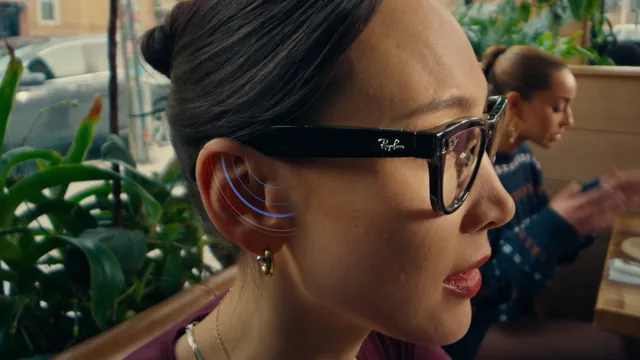
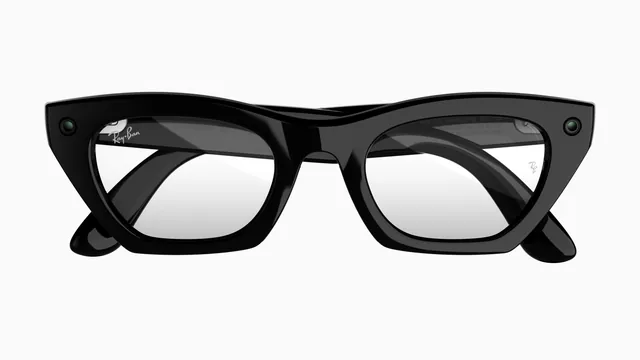
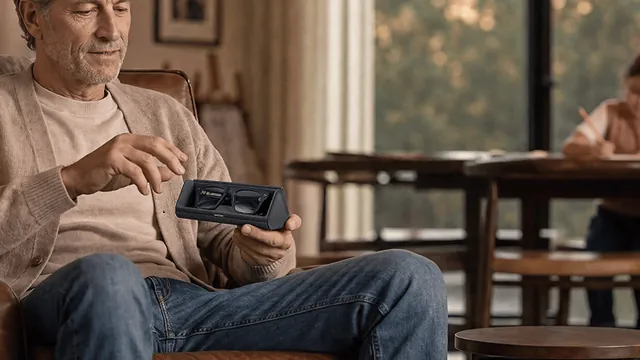
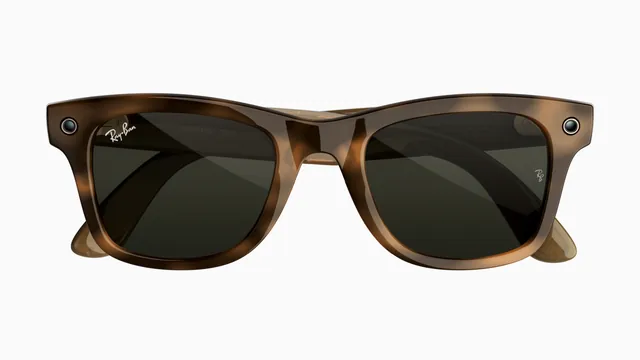
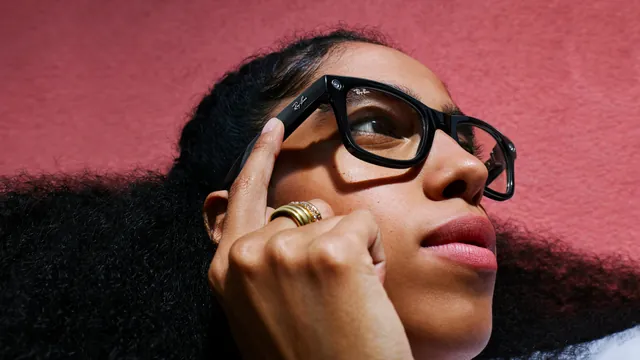
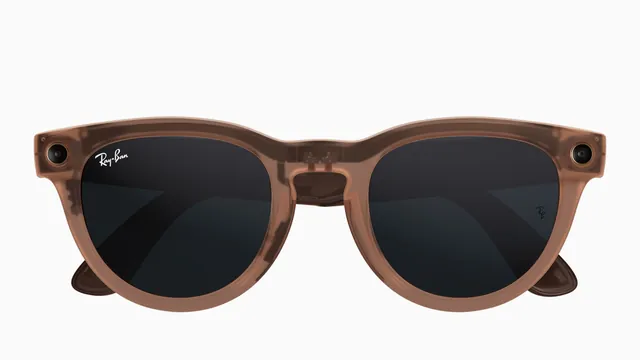
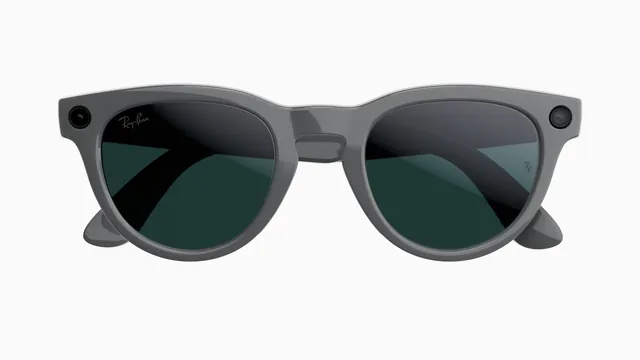
Meta and EssilorLuxottica now sell three generations of Ray-Ban Meta camera glasses, prescription-first Optics frames and a camera-free Audio line. Here's what each one costs, does and lasts, and how they compare with Oakley Meta and Meta Ray-Ban Display.
XREAL Aura opened for orders at a $1,099 launch price, Samsung's first glasses were reported for mid-December, and senators questioned Meta about its glasses. Plus Brilliant Labs Halo and what the only full Ray-Ban Meta Gen 3 review found.
Samsung's AI glasses reportedly go on sale in mid-December, senators press Meta on glasses privacy, Tech Times says Garmin prices may climb in 2027, Rokid opens at Selfridges and Ray-Ban Meta heads to the Philippines.
Sens. Ron Wyden and Edward Markey sent Meta a letter on Wednesday asking what it does to protect people captured by its smart glasses, and what it does with that imagery to train AI. 404 Media's report does not include a Meta reply or a deadline.
Only one outlet has published a full review of the Ray-Ban Meta (Gen 3) after using it. Gizmodo found longer battery life and adjustable temple tips, but the same camera and audio quality, and calls that didn't sound upgraded.
California Gov. Gavin Newsom vetoed SB 1130 on Sept. 30, a bill that would have required recording indicators on wearable devices. Fortune reported Oct. 27 that he acknowledged the problem the bill targeted but objected to its broad definitions.
Nuance Audio glasses are EssilorLuxottica's open-ear hearing glasses for adults with perceived mild to moderate hearing loss, FDA-cleared under 510(k) K243150. The newer Nuance Audio Plus starts at $829 in the US, the company says.
Ray-Ban Meta (Gen 3) is AI glasses with a camera and no display, from $449. XREAL One is a display for a USB-C device with no built-in camera, listed at $399 and showing a back-in-stock sign-up on XREAL's US store on Oct. 28, 2026.
Say "Hey Meta", tap and hold the touchpad or, on Gen 3, press the action button to wake Meta AI. Here are the shortcuts, battery saver steps, photo import habits and privacy controls that go with them, with links to our detailed guides.
Ray-Ban Meta glasses can share their camera view on WhatsApp, Messenger and Instagram video calls. Here is how to start, switch between the glasses and your phone camera, answer by voice and what the other person sees.
In the pages we read, Meta documents one way to look for lost Ray-Ban Meta glasses: Find device, which shows where the Meta AI app last connected to them. Here is what to do first, where the serial number is for a police or insurance report, and what the warranty doesn't cover.
You need a Meta Account to use Ray-Ban Meta glasses, and you can create one with an email address. Here is what linking Facebook, Instagram or WhatsApp adds, how to unlink them and what the account stores.
Ray-Ban Meta glasses have speakers and Meta AI but no display, with a camera on Gen 3 from $449, while the $599 Even Realities G2 shows text in both lenses and has no camera. This comparison covers battery, weight, prescriptions, privacy and who each suits.
Conversation focus amplifies the voice of the person you're facing in noisy places and is free in Meta's Early Access program. Hearing enhancement is FDA-cleared hearing aid software that Meta says reaches the US later this year for $149.99.
Meta lists music, calling, sharing, fitness and accessibility apps for its glasses, and a toolkit for third-party apps is rolling out. Here is what each one does and which glasses and countries it needs.
Wearing smart glasses in public is generally legal in the US, but courts, test providers, cruise lines and venues write their own rules. Some name smart glasses; others name cameras or recording devices and leave the call to staff.
Nothing we read from TSA, the FAA or Ray-Ban bars Ray-Ban Meta glasses from a plane. The rules that apply cover batteries, personal electronics and filming at checkpoints.
Meta's own policies say what its AI glasses collect and send: voice recordings stored by default, photos processed in the cloud when you use Meta AI, and media that may be used to improve its AI. Private Processing, announced for glasses at Connect, has no date yet.
No state law we read names smart glasses, but rules written for phones, headsets and video screens can reach them, and Meta tells wearers to use caution at the wheel. This guide covers the statutes, Meta's warnings and the lens makers' driving advice.
Open-ear speakers in the temples play sound toward your ear without sealing it. Meta, Amazon and Bose each say how much of that sound other people can hear, and Meta has added conversation focus and plans hearing software it says is FDA-cleared.
Ray-Ban Meta glasses offer two kinds of visual help: live video calls with Be My Eyes volunteers and spoken descriptions from Meta AI. Here is how to set each up, where they work and what Meta and Be My Eyes say about limits.
Switching phones means importing your captures, unpairing the glasses from the old phone and pairing them again from the Meta AI app on the new one. Here is the order Meta's help pages point to, and when a factory reset is the way out.
Most of Ray-Ban Meta's privacy controls sit on one screen of the Meta AI app, and a few live elsewhere. Here is where each setting is, what it changes and how to delete recordings, photos and shared data, using Meta's own pages.
Ray-Ban Meta glasses use the same Meta AI app on iPhone and Android. Meta and Ray-Ban document only a handful of differences, from video formats to pairing steps. Here they are, along with what the two companies don't say, including how texts and iMessage are handled.
Can we count your visit?
With your permission, Google Analytics tells us how many people come and where from. How it works.