Why Newsom vetoed California's smart glasses recording indicator bill, and what it required
California Gov. Gavin Newsom vetoed SB 1130 on Sept. 30, a bill that would have required recording indicators on wearable devices. Fortune reported Oct. 27 that he acknowledged the problem the bill targeted but objected to its broad definitions.
California Gov. Gavin Newsom vetoed a bill on smart glasses recording indicators on Sept. 30, and Fortune reported on Oct. 27 that he objected to how the bill was written while acknowledging that reports of invasive uses call for a legislative response. The bill was SB 1130, by state Sen. Eloise Gómez Reyes. Per Fortune, it would have required prominent recording indicators on wearable devices sold in California starting in 2028.
One caveat up front: we did not find the governor's own veto message. Every quote from it below comes from Fortune, or from the other outlets named.
What Newsom accepted
According to Fortune, Newsom acknowledged that reports of invasive uses of the technology "demand a legislative response." Recording Law quotes the same phrase from the message. Fortune's headline says he "agrees" glasses need rules, but that is Fortune's framing: he did not endorse these particular rules.
What he rejected
Fortune says the governor objected to the bill's definition of a wearable recording device, which could sweep in smartwatches and other everyday devices. Including certain smartwatches and other commonly worn devices that can record, Fortune reports he wrote, could create "significant confusion and unintended consequences." MIXED News, in a separate report, quotes him saying the bill "defines several terms too broadly or imprecisely."
AP reports that Newsom also noted California already bars recording someone without their consent in spaces generally considered private. Recording Law quotes the message's close: "For these reasons, I cannot sign this bill."
What the bill would have required
The bill text on the Legislature's site shows four main parts:
- Recording in businesses. No capturing sound or video of anyone in a part of a business where they have a reasonable expectation of privacy, without their explicit consent.
- The indicator. Disabling the light, sound or other indicator would have been banned.
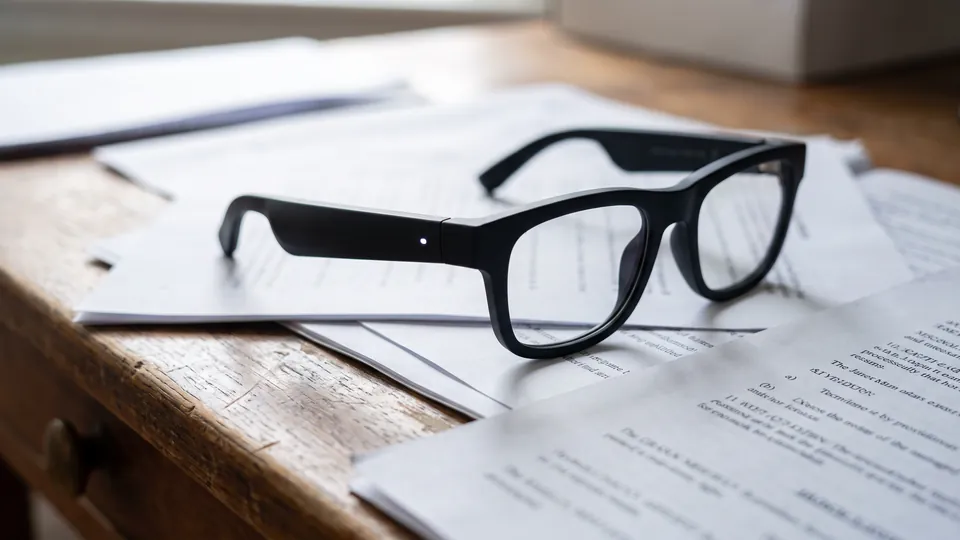
- Sales rules. From Jan. 1, 2028, nobody could make, sell or offer for sale a wearable recording device without an indicator prominent enough that a reasonable person nearby would be alerted. Selling tools built mainly to disable the indicator would also have been banned. A knowing violation of the sales provisions would have carried a civil penalty of up to $2,500 per violation.
- Exemptions. Hearing aids, augmentative and alternative communication devices and similar devices would have been exempt.
Fortune reports that recording or disabling the indicator could have brought up to a year in county jail, a fine of up to $1,500, or both.
What it would have changed for owners recording in public
Probably little on the street. In the bill text, the consent rule for recording applied to areas within a place of business where people have a reasonable expectation of privacy. Recording Law's analysis reads it the same way, and no source we found says it reached parks or sidewalks. Fortune describes the covered places as physical places of business such as offices and retail stores.
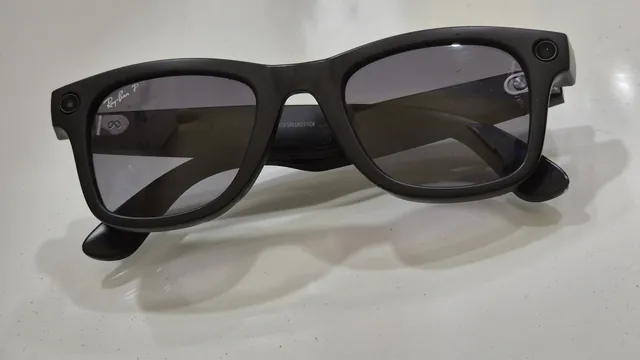
The practical effect would have landed on sellers. Under the bill, every wearable recording device sold in California from 2028 would need a visible or audible cue. Fortune notes Meta's glasses already show a light that flashes whenever the wearer captures a photo or video for their gallery, with no off switch, and that second-generation models shut off the camera if they detect the light is blocked. Whether those safeguards would have met the bill's standard is not stated in any source we found. Our explainer on how smart glasses recording lights work covers when the light comes on.
What the law says now
Nothing changes today. Recording Law says California still has no wearable-camera statute, and Penal Code 632 and 647(j) continue to govern recording. California is among about a dozen states that require the other person's permission to record a conversation, AP reports. Our guide to whether it is legal to record with smart glasses covers how those consent rules work by state.
Recording Law also notes the Senate log shows the veto as pending, so the bill is vetoed, not law. It adds that the Legislature adjourns on Nov. 30, 2026.
What the sides said
Reyes told AP: "Whatever we can do to protect an individual's right to privacy, we have to do." The industry group TechNet opposed the bill, telling AP that "California already has extensive laws governing unlawful recording." A Meta spokesperson told AP: "We're still in the early days of building this technology and we're committed to continuing prioritizing privacy as we build."
What is still unknown
- Whether Newsom would sign a narrower bill. Asked, his office referred Fortune back to the message, saying it "speaks for itself."
- Whether Reyes will reintroduce the measure. Her office did not respond to Fortune's questions.
- How other states will go. Fortune notes that Louisiana enacted a law this year requiring smart glasses users to notify people in direct conversations when they are recording or transcribing, and that a Pennsylvania House committee advanced a bill this month requiring visible recording indicators.
For the wider debate over sales and regulators, including Norway's planned temporary ban, see our report on the privacy pushback. If you are wondering what people around you can ask of you, see our explainer on bystanders.
Sources
- Fortune: Newsom agrees smart glasses need privacy rules, just not the ones California lawmakers wrote
- California Legislature: SB 1130 (Reyes), Invasion of privacy: wearable recording devices
- AP: Newsom vetoes California smart glasses privacy legislation
- MIXED News: Newsom vetoes SB 1130 smart glasses recording indicator bill
- Recording Law: California SB 1130 smart glasses veto
Join the conversation
Questions, or something to add? Talk about it with other smart glasses owners in r/Talaya, our community on Reddit.