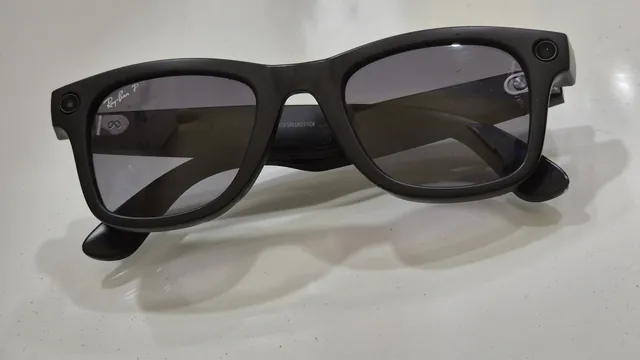
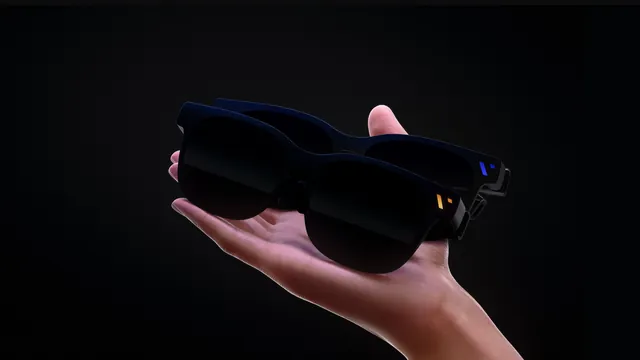
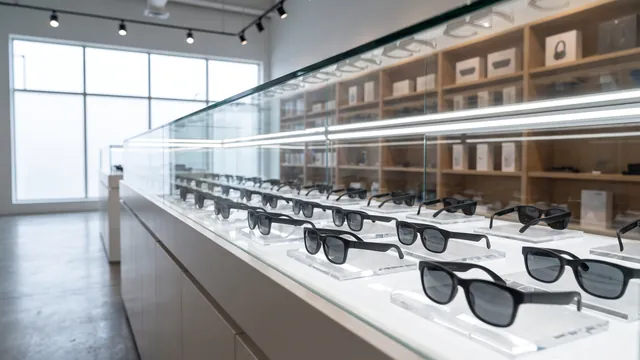
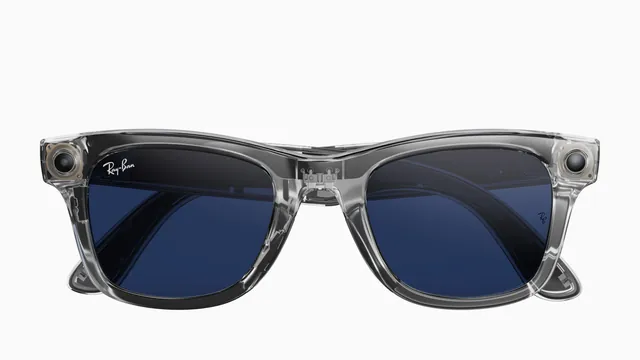
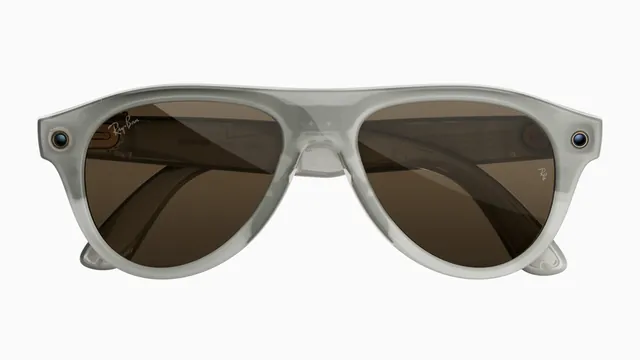
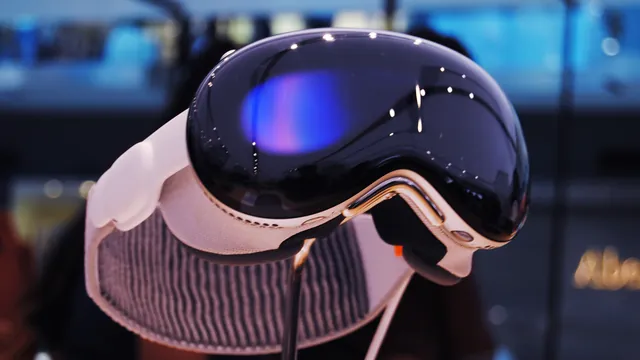
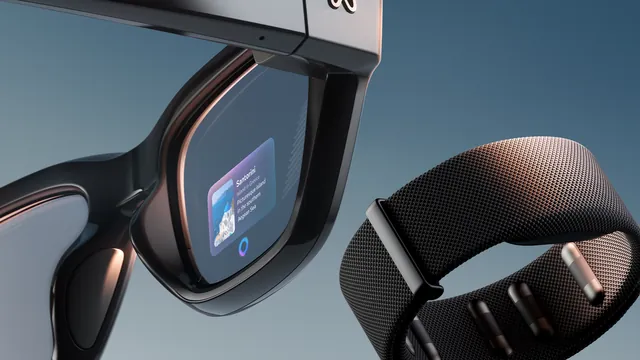
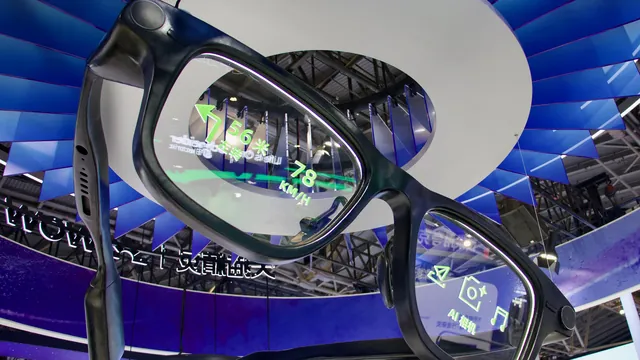
Smart glasses are ordinary-looking frames with speakers, microphones and often a camera or a tiny display, linked to your phone and an AI assistant. Here's how the types differ, who makes them, what they cost and what to know before wearing a pair in public.
California Gov. Gavin Newsom vetoed SB 1130 on Sept. 30, a bill that would have required recording indicators on wearable devices. Fortune reported Oct. 27 that he acknowledged the problem the bill targeted but objected to its broad definitions.
VITURE's display glasses plug into a USB-C device with DisplayPort video. The Pro 2 costs $299, the Beast starts at $549 and a $99 dock connects a Nintendo Switch 2. Here are the models, specs, accessories and what VITURE hasn't published.
Nuance Audio glasses are EssilorLuxottica's open-ear hearing glasses for adults with perceived mild to moderate hearing loss, FDA-cleared under 510(k) K243150. The newer Nuance Audio Plus starts at $829 in the US, the company says.
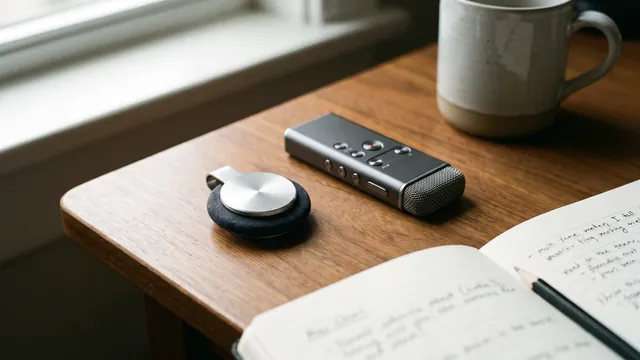
Limitless says it was acquired by Meta and no longer sells its Pendant. Bee is owned by Amazon and still sold. Plaud's NotePin costs $159.00. Here is what each one costs, what you subscribe to and what US consent rules mean when you record people.
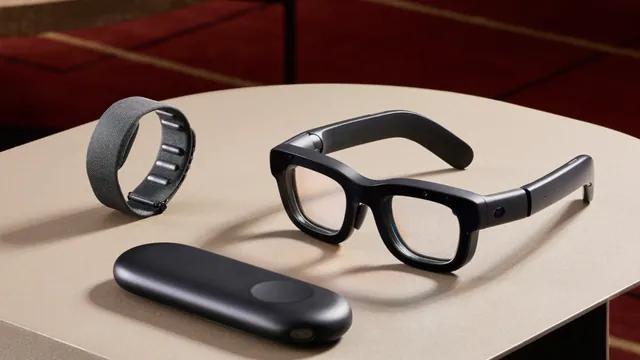
Orion is the AR glasses prototype Meta unveiled on Sept. 25, 2024 and has never sold. This explainer covers what Meta has said about its display, puck and wristband, why it stays in the lab and what Meta and the press say about consumer AR glasses.
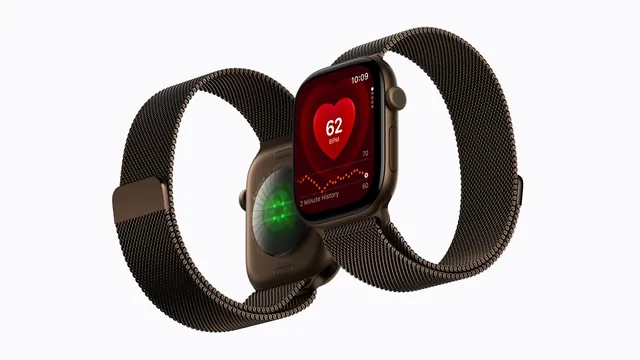
Apple Watch can flag possible hypertension from its heart sensor after 30 days of data, but it isn't a blood pressure reading. How the feature works, what the FDA record and Apple's study show, which watches get it and what to do after a notification.
No state law we read names smart glasses, but rules written for phones, headsets and video screens can reach them, and Meta tells wearers to use caution at the wheel. This guide covers the statutes, Meta's warnings and the lens makers' driving advice.
Mainland China shipped nearly one million AI glasses in 2025, and Chinese brands hold two of the top three spots worldwide. Prices at home start near 1,900 yuan, and only some of the brands sell outside China.
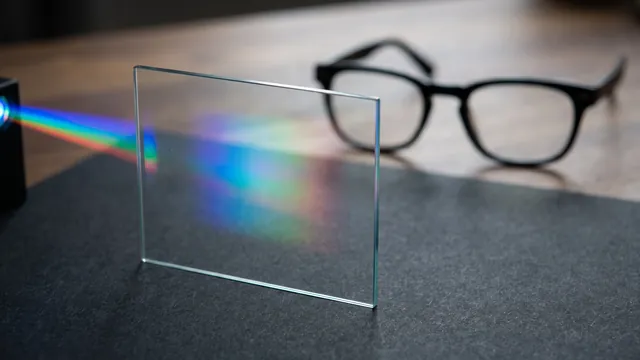
A waveguide is a clear plate that carries light from a tiny projector to your eye, so text can appear in front of you while the lens stays see-through. The three main types bend the light in different ways, and each one costs something in brightness, color, field of view or price.
Field of view is how much of your vision the image covers, measured in degrees and usually quoted across the diagonal. A simple formula turns degrees into virtual screen sizes, and the published numbers run from 20 degrees on Meta Ray-Ban Display to 70 on XREAL Aura.
Open-ear speakers in the temples play sound toward your ear without sealing it. Meta, Amazon and Bose each say how much of that sound other people can hear, and Meta has added conversation focus and plans hearing software it says is FDA-cleared.
Meta rates Meta Ray-Ban Display at up to six hours of mixed use, with up to 24 more from its folding case, and the Neural Band at up to 18 hours. Here is what Meta hasn't published, and how the numbers compare with Ray-Ban Meta Gen 3 and Oakley Meta.
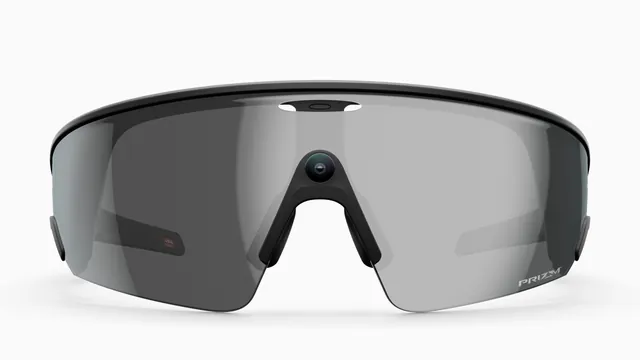
Meta and Oakley rate HSTN at up to eight hours and Vanguard at up to nine, with up to 48 and 36 more hours from the case. Here are the nonstop-use figures, charging times, battery saver and how both compare with Ray-Ban Meta.
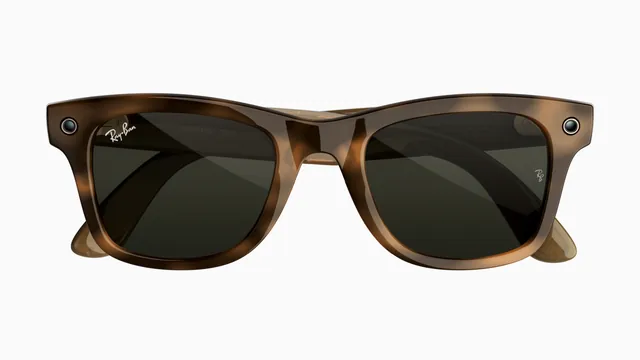
Every Ray-Ban Meta generation lists a 12MP ultra-wide camera, and video goes from 1080p on Gen 1 to 3K on Gen 2 and Gen 3. Here are the specs, three real sample photos, what point-of-view framing does to a photo and how the glasses compare with a phone on paper.
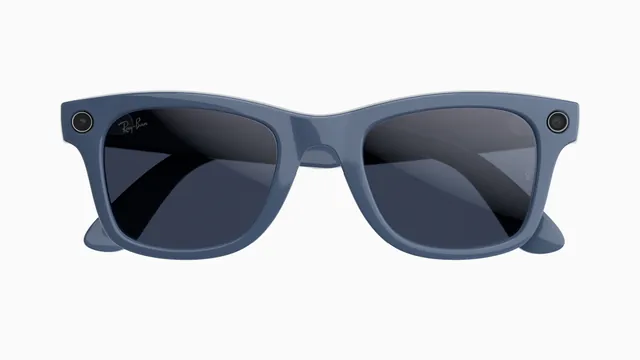
Gen 3 adds an hour of battery, a sixth microphone, an action button and two new styles for $70 more than Gen 2, while the camera and video specs match. Here is what changed and who should pay the difference.
Gen 2 doubled the battery life of the 2023 Ray-Ban Meta glasses and moved video from 1080p to 3K, for $80 more at launch. Here is what else changed, what didn't, and how to tell which generation a pair is before you buy it used.
Meta rates Ray-Ban Meta glasses IPX4: they handle sweat, splashes and light rain. They aren't designed for swimming, showers or submersion, and the charging case isn't water resistant at all.
Meta rates Ray-Ban Meta glasses at up to four hours (Gen 1) to 12 hours (Audio) per charge, and the case adds up to 32 to 50 hours more. Here is what each model gets, what drains a charge faster, how long charging takes and what battery saver does.
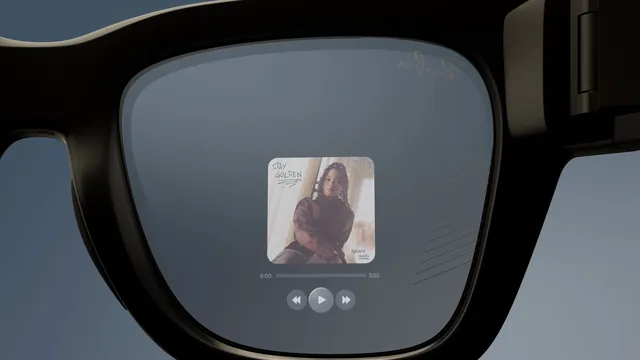
Meta Ray-Ban Display puts a small full-color screen in a pair of Ray-Bans and pairs it with a wristband that reads finger movements. It costs $799 in the US and is now sold online and in five more countries.
Apple sells one Vision Pro, the M5 model from October 2025, and since June it starts at $3,699. Here is what it costs, what's inside, what visionOS 27 adds, where you can buy it and what Apple is reportedly planning next.
The Meta Neural Band reads the electrical signals your wrist muscles make when you move your fingers and turns them into commands for Meta Ray-Ban Display. It comes in three sizes, and the fit decides how well it works.
Smart glasses now come with no screen, a small screen you glance at, or a see-through display that places graphics in the room. Here's what separates AI glasses, display glasses, screen glasses and AR glasses, with real models and prices.
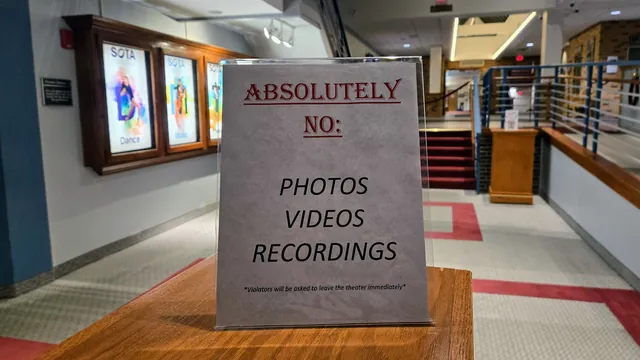
Taking photos in public is generally legal, but smart glasses also record sound, and that's where federal and state wiretap laws come in. Here's how consent rules work, where recording is off-limits and what employers and venues can ban.
Can we count your visit?
With your permission, Google Analytics tells us how many people come and where from. How it works.