Smart Glasses · Guide
Smart glasses timeline: the major launches from Google Glass to Meta Ray-Ban Display
Smart glasses went from a $1,500 developer gadget that some bars banned to millions of Ray-Bans a year. Here are the launches that shaped the category, with dates, prices and sources, from Google Glass to Meta Ray-Ban Display and Snap Specs.
Consumer smart glasses have had two lives. The first began with Google Glass, a $1,500 head-mounted display that Google stopped selling to consumers within two years. The second began with camera glasses from Snap and then Meta, which put cameras into ordinary-looking frames and grew into a category that shipped 8.7 million pairs in 2025. Displays are now coming back, this time inside Ray-Ban frames.
The dates and prices below come from company announcements and contemporary reports, linked in each section.
The major launches at a glance
| Date | What happened |
|---|---|
| April 2012 | Google announces Project Glass |
| April 16, 2013 | Glass Explorer Edition ($1,500) reaches its first buyers |
| Jan. 15, 2015 | Google ends the Glass Explorer program |
| Nov. 10, 2016 | Snap Spectacles go on sale |
| May 20, 2019 | Google launches Glass Enterprise Edition 2 for businesses |
| Sept. 9, 2021 | Ray-Ban Stories launch at $299 |
| March 15, 2023 | Google stops selling Glass |
| Sept. 27, 2023 | Ray-Ban Meta announced at $299, on sale Oct. 17 |
| Sept. 25, 2024 | Meta shows its Orion AR prototype, which it doesn't sell |
| Dec. 12, 2024 | Google announces Android XR |
| June 20, 2025 | Oakley Meta HSTN announced, from $399 |
| Sept. 17, 2025 | Meta Ray-Ban Display announced at $799, on sale Sept. 30 |
| Nov. 12, 2025 | Even Realities G2 launches at $599 |
| June 16, 2026 | Snap Specs announced at $2,195 |
| Sept. 23, 2026 | Ray-Ban Meta Gen 3 ($449) and Ray-Ban Meta Audio ($349) |
2012 to 2015: Google Glass
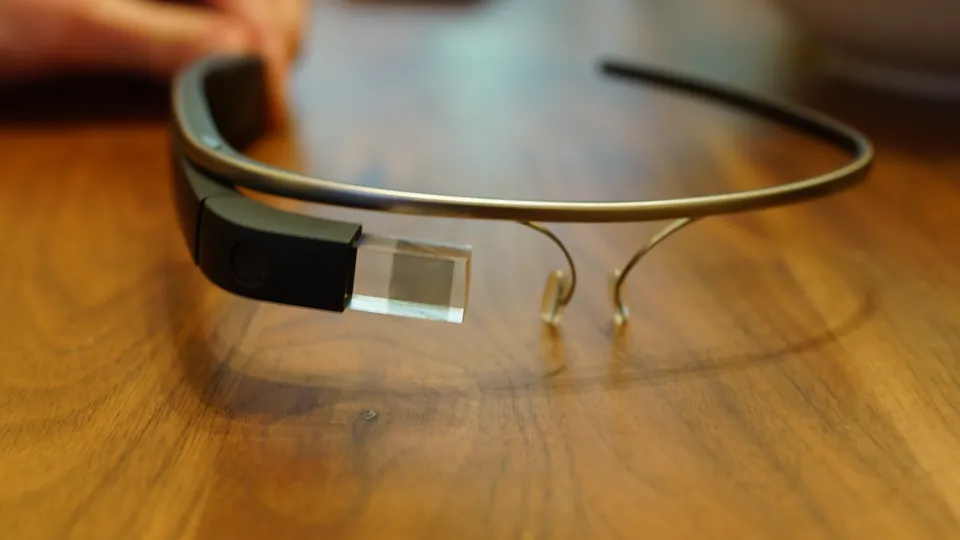
Google announced Project Glass in April 2012. At its I/O conference that June, skydivers wearing the prototype jumped from a blimp onto the roof of the convention center while streaming their view, and developers in the audience could pre-order an "Explorer Edition" for $1,500, according to Wikipedia's history of the device. After a contest in early 2013 picked 8,000 more buyers, the first units shipped on April 16, 2013. Glass had a small display above the right eye, a 5MP camera that recorded 720p video, and a touchpad on the side.
Google opened sales to the US public for one day on April 15, 2014, and again in May, and launched Glass in the UK that June at £1,000. By then the device had a reputation problem. On Jan. 15, 2015, Google said it would stop selling Glass in its current form and close the Explorer program, the BBC reported. Early fans had tired of it, the BBC noted, and there were privacy and safety concerns, with some bars and restaurants banning the glasses. Google said it remained committed to future versions.
2016 to 2020: camera glasses and Glass for work
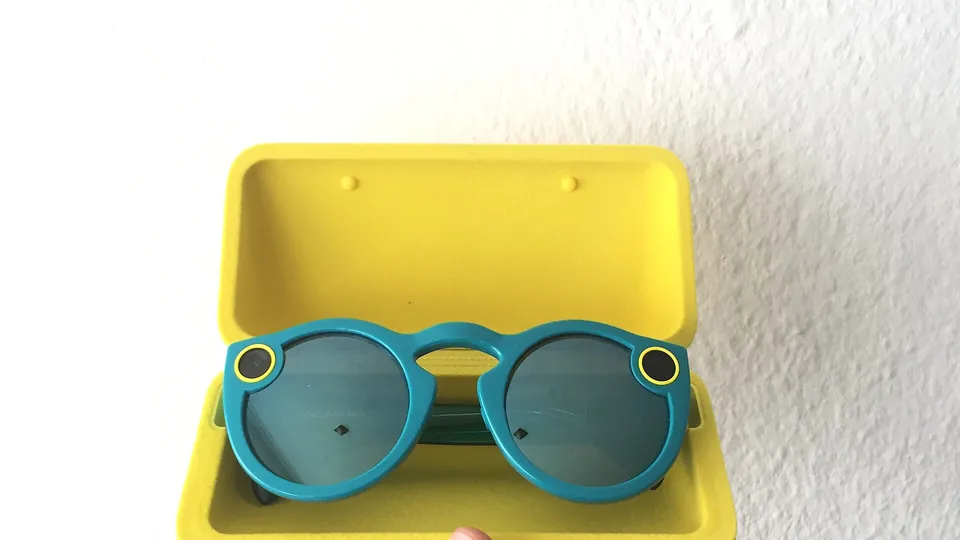
Snap took a different approach: no display, just a camera. It unveiled Spectacles on Sept. 24, 2016, and began selling them on Nov. 10, 2016, through Snapbot vending machines, starting near its headquarters in Venice, Los Angeles. New versions followed in 2018 and 2019, and in 2021 Snap's fourth generation added a display, according to Wikipedia's account.
Glass found a second life at work. Google relaunched it as Glass Enterprise Edition in 2017 and followed it with Glass Enterprise Edition 2 on May 20, 2019, built on a Qualcomm Snapdragon XR1 chip and sold to businesses such as DHL and Sutter Health. Microsoft's HoloLens 2, an augmented reality headset announced on Feb. 24, 2019, at $3,500, aimed at the same enterprise buyers.
2021 to 2024: Meta's Ray-Bans go mainstream
Facebook, now Meta, launched Ray-Ban Stories with EssilorLuxottica on Sept. 9, 2021. They cost $299, came in 20 style combinations and had two 5MP cameras that took photos and videos of up to 30 seconds, plus "a hard-wired capture LED" to show when they were recording. Privacy regulators objected within days: Ireland's Data Protection Commission and Italy's Garante questioned whether such "a very small indicator light" gave people enough notice, the Irish regulator said.
The second Meta generation, Ray-Ban Meta, was announced on Sept. 27, 2023, and went on sale Oct. 17 for $299. It had a 12MP camera, a five-microphone array, livestreaming to Facebook and Instagram and Meta AI, available in beta in the US at launch. Google, meanwhile, had stopped selling Glass on March 15, 2023, and ended support that September, according to its help center.
Bigger headsets and AR prototypes arrived in 2024. Apple Vision Pro, a headset rather than glasses, went on sale in the US on Feb. 2, 2024, at $3,499. On Sept. 17, 2024, Snap released fifth-generation Spectacles for developers: standalone AR glasses weighing 226 grams with a 46-degree field of view and 45 minutes of battery, available through a $99-a-month developer program, Snap said. A week later, on Sept. 25, Meta unveiled Orion, a prototype it called "the most advanced pair of AR glasses ever made," and said it wouldn't sell it to consumers. In December, Google announced Android XR, a platform for headsets and glasses built with Samsung and Qualcomm.
2025: sports frames and a display
Meta widened its lineup in 2025. Oakley Meta HSTN, announced June 20, brought 3K video and up to eight hours of battery to a sport frame, starting at $399. At Connect on Sept. 17, Meta introduced three products at once: Ray-Ban Meta Gen 2 at $379, with up to eight hours of battery; the Oakley Meta Vanguard sports wraparound at $499; and Meta Ray-Ban Display, its first glasses with a screen.
Meta Ray-Ban Display went on sale Sept. 30, 2025, for $799, including the Meta Neural Band, a wristband that turns small finger movements into commands. Its full-color display sits off to the side of the wearer's view and is designed for short glances. Even Realities followed with the G2 on Nov. 12, a display model with no camera, at $599, according to Auganix.
By then the category was selling in the millions. Omdia estimates that 8.7 million AI glasses shipped worldwide in 2025, up 322%, with Meta accounting for 85.2%. Glasses with displays were 8.4% of the total, and Meta Ray-Ban Display shipped 84,000 units.
2026: prescriptions, AR and audio
Meta started the year with frames designed for prescription lenses, the Ray-Ban Meta Blayzer and Scriber Optics, at $499 on March 31. On May 19, Google said its first Android XR glasses, built by Samsung with designs from Gentle Monster and Warby Parker, would arrive this fall. Snap announced Specs, its first AR glasses for the public, on June 16 at $2,195, and a week later Meta launched its own brand, Meta Glasses, starting at $299.
The backlash grew alongside sales. On July 20, New York banned eyewear with cameras or microphones from all of its state courts, Syracuse.com reported, and European regulators spent the fall questioning Meta's recording light, as our analysis of regulators' pushback details.
At Connect on Sept. 23, Meta introduced Ray-Ban Meta Gen 3 at $449 and Ray-Ban Meta Audio, its first audio-only glasses, at $349, and announced Meta VR Glasses for spring 2027 at $1,299.99. On Oct. 7, XREAL priced Aura, its Android XR glasses, from $1,279.
For what's coming next, see our upcoming smart glasses tracker. For how today's categories differ, see AI glasses vs AR glasses vs display glasses, and for the full picture, our explainer on what smart glasses are.
Frequently asked questions
When did Google Glass come out?
Google announced Project Glass in April 2012 and began shipping the $1,500 Explorer Edition to its first buyers on April 16, 2013. It briefly went on sale to the US public in April and May 2014.
Why did Google Glass fail?
Google stopped selling the Explorer Edition in January 2015. The BBC reported at the time that early users complained it wasn't evolving as promised, that it raised privacy and safety concerns, and that some bars and restaurants had banned it.
When did Ray-Ban Meta glasses come out?
Meta announced Ray-Ban Meta on Sept. 27, 2023, at $299, and they went on sale Oct. 17, 2023. The second generation followed in September 2025 and the third on Sept. 23, 2026.
What were the first smart glasses from Meta?
Ray-Ban Stories, launched with EssilorLuxottica on Sept. 9, 2021, for $299. They had two 5MP cameras, took videos of up to 30 seconds and had a capture LED on the front.
Is Google Glass still sold?
No. Google stopped selling Glass Enterprise Edition on March 15, 2023, and ended support on Sept. 15, 2023. Google's current glasses effort runs through Android XR and partners such as Samsung.
Sources
- Wikipedia: Google Glass
- BBC News: Google Glass sales halted but firm says kit is not dead (Jan. 15, 2015)
- Google: Glass Enterprise Edition 2 (May 20, 2019)
- Google: Glass Enterprise Edition announcement FAQ (March 15, 2023)
- Wikipedia: Spectacles (product)
- Snap Newsroom: Introducing new Spectacles and Snap OS (Sept. 17, 2024)
- Wikipedia: HoloLens 2
- Meta: Introducing Ray-Ban Stories (Sept. 9, 2021)
- Irish Data Protection Commission: statement concerning Facebook View glasses (Sept. 17, 2021)
- Meta: Introducing the new Ray-Ban Meta smart glasses (Sept. 27, 2023)
- Apple: Apple Vision Pro available in the US on February 2 (Jan. 8, 2024)
- Meta: Introducing Orion, our first true augmented reality glasses (Sept. 25, 2024)
- Google: Android XR, the Gemini era comes to headsets and glasses (Dec. 12, 2024)
- Meta: Introducing Oakley Meta glasses (June 20, 2025)
- Meta: Meta Ray-Ban Display, AI glasses with an EMG wristband (Sept. 17, 2025)
- Meta: Ray-Ban Meta (Gen 2) with up to 2X the battery life (Sept. 17, 2025)
- Meta: Athletic intelligence is here, meet Oakley Meta Vanguard (Sept. 17, 2025)
- Auganix: Even Realities launches G2 glasses and R1 ring (Nov. 12, 2025)
- Omdia: global AI glasses shipments reach 8.7 million units (March 5, 2026)
- Meta: Introducing our first AI glasses built for prescriptions (March 31, 2026)
- Google: Intelligent eyewear is coming this fall (May 19, 2026)
- Snap Inc.: Snap debuts SPECS augmented reality glasses (June 16, 2026)
- Meta: We're partnering with EssilorLuxottica to launch Meta Glasses (June 23, 2026)
- Syracuse.com: New York to ban smart glasses from all courthouses (July 7, 2026)
- Meta: Introducing Ray-Ban Meta Audio and more AI glasses styles (Sept. 23, 2026)
- Meta: Introducing Meta VR Glasses (Sept. 23, 2026)
- XREAL: XREAL AURA starts at $1,279 (Oct. 7, 2026)
Join the conversation
Questions, or something to add? Talk about it with other smart glasses owners in r/Talaya, our community on Reddit.