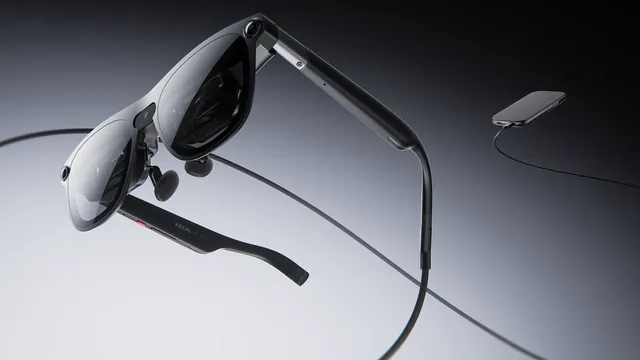
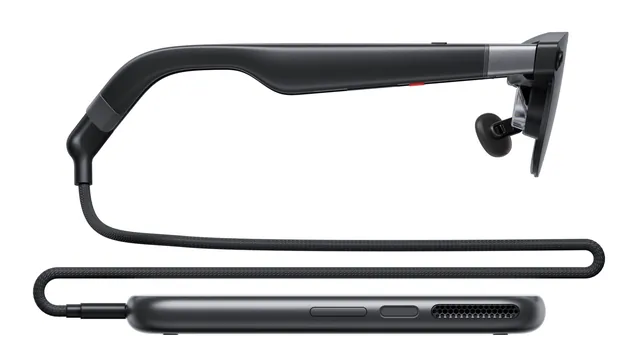
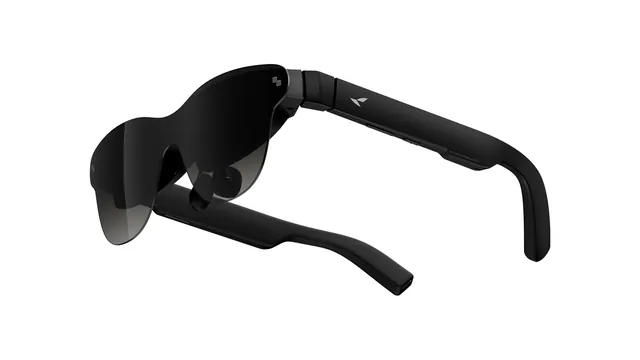
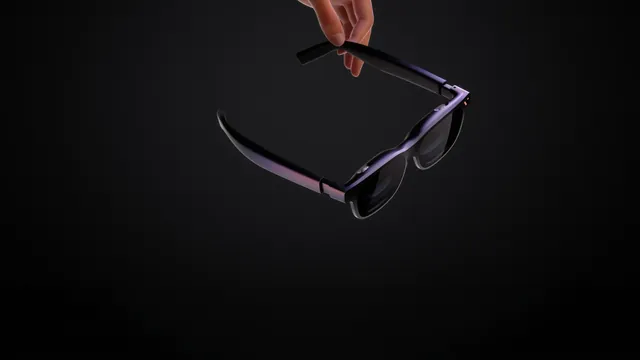
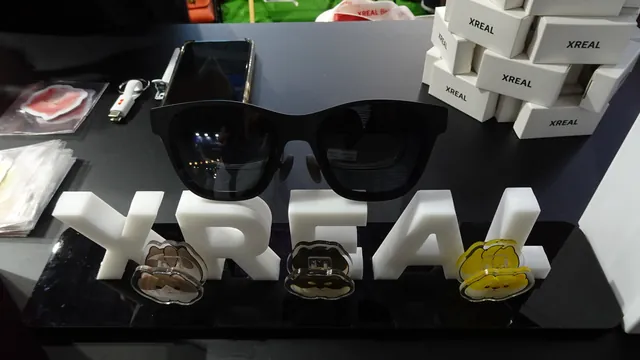
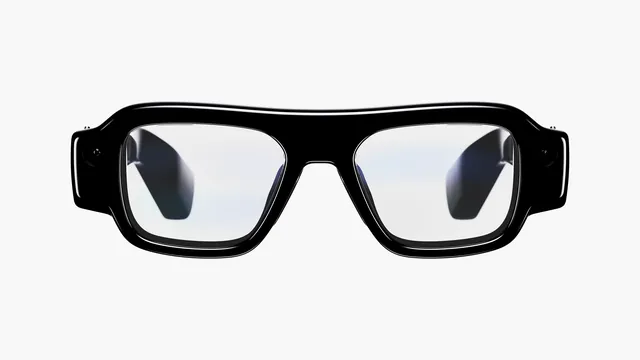
XREAL Aura is the first pair of see-through glasses to run Google's Android XR. Orders opened Oct. 28 in the US, Canada and South Korea at a launch price from $1,099, with shipments starting in mid-November. The glasses weigh under 95 grams and connect to a pocket puck that runs the apps.
XREAL Aura opened for orders at a $1,099 launch price, Samsung's first glasses were reported for mid-December, and senators questioned Meta about its glasses. Plus Brilliant Labs Halo and what the only full Ray-Ban Meta Gen 3 review found.
XREAL Aura opens for orders from $1,099 in the US, South Korea plans police reports for smart-glasses cheating on its college exam, Rokid shows Color, Samsung's sleep apnea feature gets three levels and Apple Watch gets Siri Recap.
XREAL's US launch offer puts the 12GB Aura at $1,099, down from $1,279. According to Mixed, buyers who fully paid the original price before Oct. 28 get the difference refunded.
Google has announced new Android XR and Android CLI tools that let developers test smart glasses apps without physical hardware, according to Digital Trends. Google's developer page lists emulator support for headsets and three kinds of glasses.
Orders for XREAL Aura opened Oct. 28 in the US, Canada and South Korea, with Japan on Nov. 2. Google states launch pricing from $1,099 through the end of the year, and shipments start in mid-November.
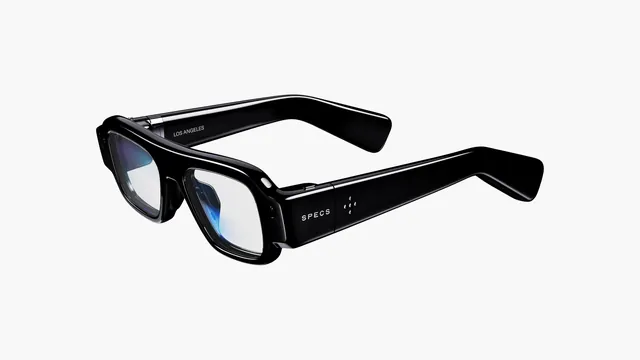
Augmented World Expo USA 2026 ran June 15 to 18 in Long Beach, California. Snap and XREAL each unveiled glasses there on June 16. Snap priced Specs that day, and XREAL set Aura's price on Oct. 7.
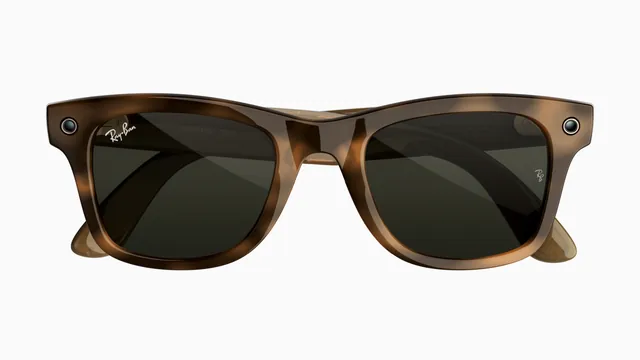
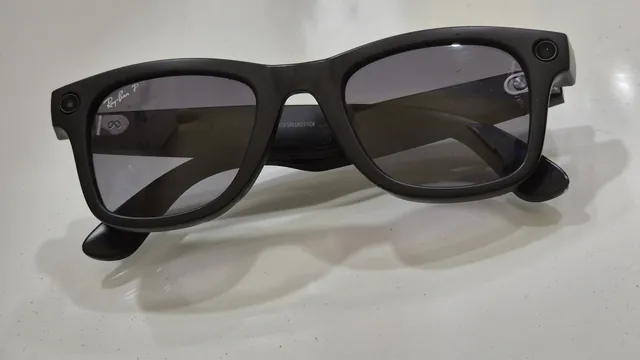
Ray-Ban Meta (Gen 3) is AI glasses with a camera and no display, from $449. XREAL One is a display for a USB-C device with no built-in camera, listed at $399 and showing a back-in-stock sign-up on XREAL's US store on Oct. 28, 2026.
XREAL, Viture and RayNeo make plug-in glasses that turn a phone, laptop, handheld or console into a big screen. Here is how their models compare on view, brightness, refresh rate, weight and what they connect to.
XREAL and Viture both make glasses that plug into a phone, laptop or console and show a big virtual screen. Here is how their current lineups compare on price, display, dimming, prescriptions, compatibility, accessories and Android XR.
Smart glasses are ordinary-looking frames with speakers, microphones and often a camera or a tiny display, linked to your phone and an AI assistant. Here's how the types differ, who makes them, what they cost and what to know before wearing a pair in public.
There's no single best pair of smart glasses. The right one depends on whether you want a camera, a display, a big screen for movies or just audio. Here are the strongest options for each need, based on official specs and US prices.
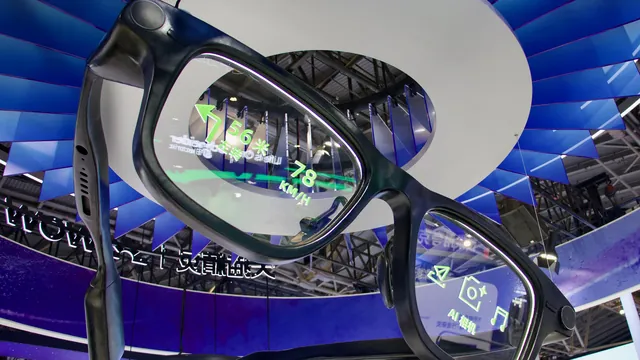
Smart glasses now come with no screen, a small screen you glance at, or a see-through display that places graphics in the room. Here's what separates AI glasses, display glasses, screen glasses and AR glasses, with real models and prices.
Most smart glasses can be made with prescription lenses, but the supported ranges, how you order and what it costs vary a lot. Here are the official options for every major model, from Ray-Ban Meta and Oakley Meta to Even Realities and XREAL inserts.
Google's Android XR runs on one headset you can buy today. XREAL's see-through Aura glasses are open for orders at launch pricing from $1,099 through the end of the year and ship in mid-November. Samsung's glasses are reported for mid-December, and glasses with a display have no date yet.
XREAL's US store lists nine pairs of glasses, from $199 to $1,499 at regular prices, and the names don't make the differences obvious. The differences come down to a chip, the field of view, the refresh rate and whether the glasses run apps of their own.
A tracker of the smart glasses due in the coming months, with each company's announced price and timing and a link to the source. Reports about products that haven't been announced are kept separate and attributed.
Snap found a famous pitchman for its $2,195 Specs, XREAL lined up games for Aura, and the company that makes Meta's glasses reported another strong quarter. Plus Meta's $249 pair and a new smart ring lawsuit.
The first see-through glasses to run Android XR start at $1,279 and are weeks from shipping. Owlchemy Labs, the Google-owned studio behind Job Simulator, is bringing a new $1.99 arcade game and four older ones.
Can we count your visit?
With your permission, Google Analytics tells us how many people come and where from. How it works.