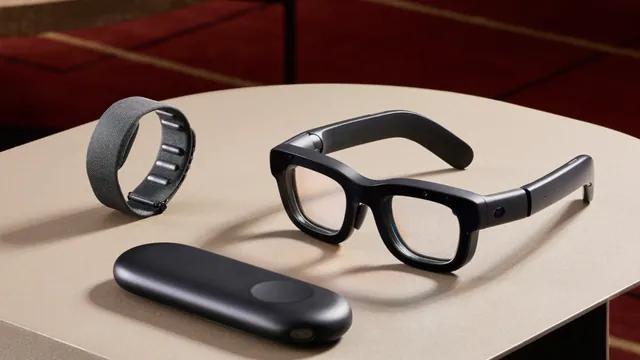
Orion is the AR glasses prototype Meta unveiled on Sept. 25, 2024 and has never sold. This explainer covers what Meta has said about its display, puck and wristband, why it stays in the lab and what Meta and the press say about consumer AR glasses.
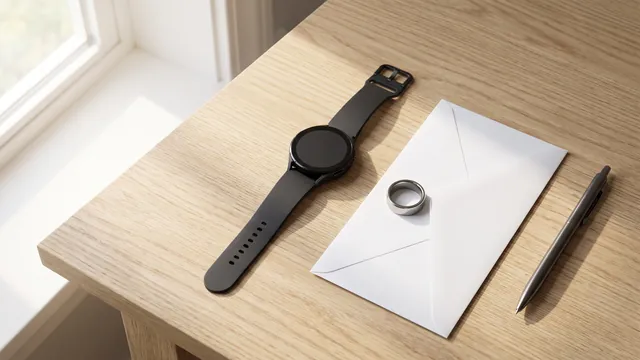
Whoop is a screenless band sold as a membership from $199 a year, and Oura is a ring from $399 plus $69.99 a year for most features. This guide compares their cost over two years, sleep and health features, FDA status and who each suits.
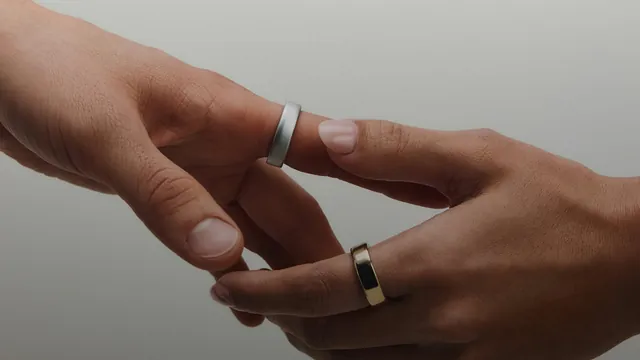
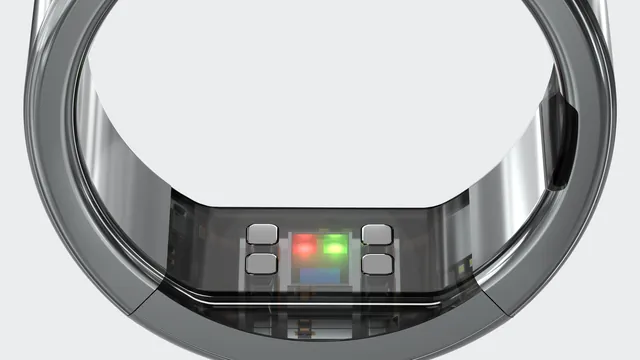
Oura says Ring 5 is 40% smaller than Ring 4, with a rated battery of six to nine days against five to eight, and the new software works on both. This guide covers what changed, what each costs, how sizing differs and who should upgrade.
Conversation focus amplifies the voice of the person you're facing in noisy places and is free in Meta's Early Access program. Hearing enhancement is FDA-cleared hearing aid software that Meta says reaches the US later this year for $149.99.
Meta lists music, calling, sharing, fitness and accessibility apps for its glasses, and a toolkit for third-party apps is rolling out. Here is what each one does and which glasses and countries it needs.
Wearing smart glasses in public is generally legal in the US, but courts, test providers, cruise lines and venues write their own rules. Some name smart glasses; others name cameras or recording devices and leave the call to staff.
Nothing we read from TSA, the FAA or Ray-Ban bars Ray-Ban Meta glasses from a plane. The rules that apply cover batteries, personal electronics and filming at checkpoints.
Gemini runs on Wear OS 4 or later watches connected to an Android phone, including Pixel Watch and Galaxy Watch models. Here is what it needs, how to start it, which apps it works with and what changes when you turn off Gemini's activity setting.
At I/O on May 19, Google promised audio glasses with Samsung, Gentle Monster and Warby Parker, Gemini features for watches and glasses, Wear OS 7 and new developer tools. As of Oct. 25, the watch software has shipped and the glasses have not.
Rokid, RayNeo, XREAL, Meta and RingConn used CES in January to show new glasses, software and a ring. As of Oct. 25, five of the new products are on sale in the US, Meta's pause on its international rollout is over, and the demonstrations from RayNeo and Meta are not products.
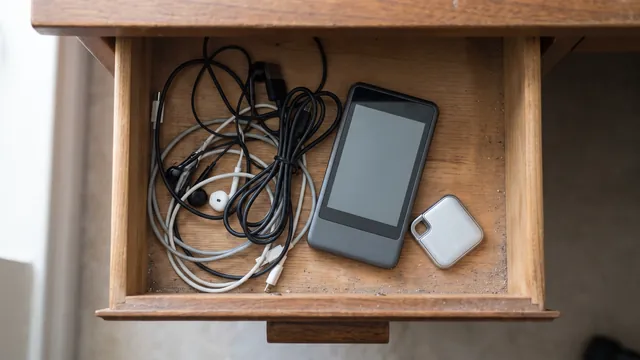
Humane stopped selling its AI Pin on Feb. 18, 2025, cut off its service 10 days later and sold most of the company to HP for $116 million. Rabbit's $199 R1 still works and is still sold, but Rabbit's new focus is software that runs on other devices.
Meta, Valve, Samsung, Apple and Sony all sell a different kind of VR or mixed reality headset in the US, from $349.99 to $3,699. Here is how they compare on price, display, weight, battery, tracking and apps, and who each one suits.
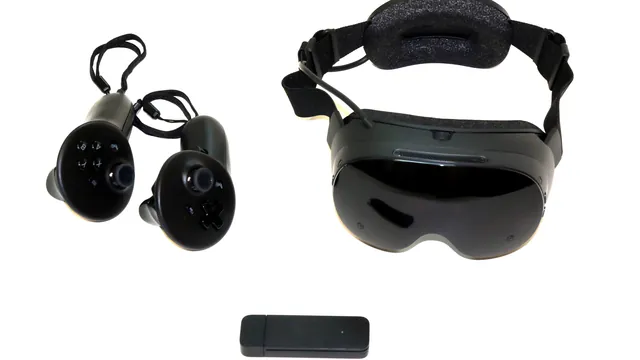
Valve's Steam Frame is a standalone SteamOS headset that also streams PC VR through its own wireless adapter. It costs $1,059 with 256GB or $1,299 with 1TB. Here is what's in the box, what runs on it and how it compares with Quest 3, Meta VR Glasses, Galaxy XR and Vision Pro.
Meta's own policies say what its AI glasses collect and send: voice recordings stored by default, photos processed in the cloud when you use Meta AI, and media that may be used to improve its AI. Private Processing, announced for glasses at Connect, has no date yet.
ChatGPT reaches wearables through Apple's Siri on iPhone and a few glasses makers such as Rokid. Meta's glasses use Meta AI, and OpenAI's own device isn't due before 2027. Here is what the companies document, and what they leave out.
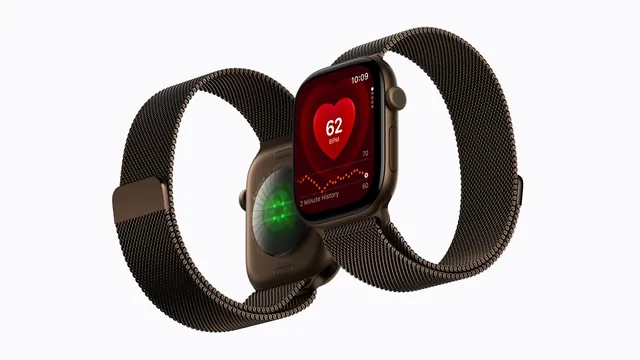
Apple Watch can flag possible hypertension from its heart sensor after 30 days of data, but it isn't a blood pressure reading. How the feature works, what the FDA record and Apple's study show, which watches get it and what to do after a notification.
AirPods Pro 3 add heart rate sensing for workouts to Apple's Hearing Test, Hearing Aid and Hearing Protection. What each feature does, which iOS version it needs and where it works.
Oura, Whoop, Samsung and Ultrahuman say their products are HSA or FSA eligible, and Apple says Apple Watch may be reimbursable. The IRS says it depends on why you buy the device. What each says, how medical necessity letters work and who decides.
Five rings sold in the US need no membership for their main features. What Samsung, RingConn, Ultrahuman and Circular charge, how long each lasts, which phones work and what each sells as an optional extra.
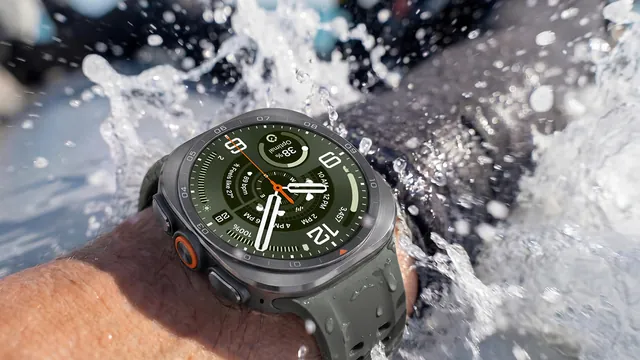
Samsung's US watch page lists the Galaxy Watch9 from $379.99, the Galaxy Watch Ultra2 at $699.99 and last year's Watch8 Classic. Sizes, battery ratings, LTE, health features, Gemini and which phones they need.
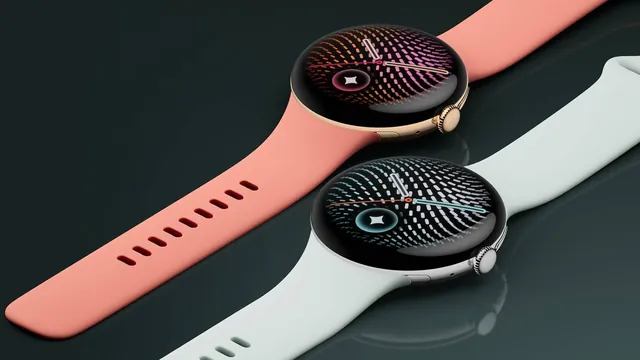
Google's store lists one Pixel Watch, the Pixel Watch 5, from $399 for the 41 mm and $429 for the 45 mm. Battery, charging, LTE, Gemini, the Google Health Premium fee, Android-only support and what changed from Pixel Watch 4.
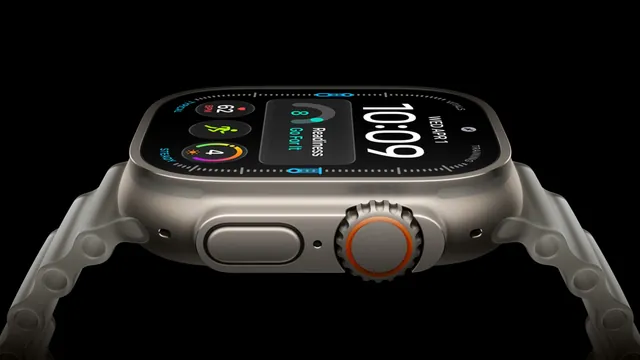
Apple Watch Ultra 4 costs $799 and is rated for up to 50 hours. Garmin's Fenix 9 starts at $999.99 and is rated for up to 29 days in smartwatch mode. How they compare on GPS battery, maps, dive and satellite features, subscriptions and phone support.
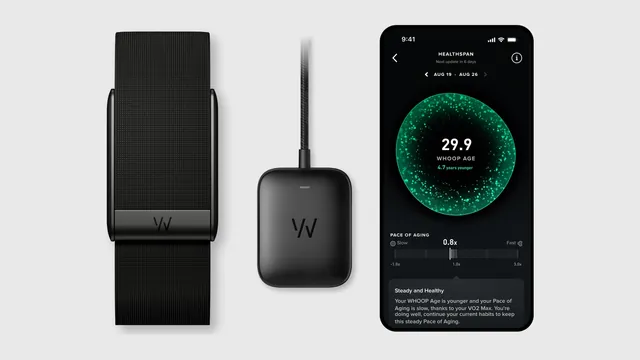
Whoop's screenless band comes with a membership: One at $199 a year, Peak at $239 and Life at $359. What each plan adds, how Whoop 5.0 differs from Whoop MG, the FDA status of ECG and Blood Pressure Insights, and who the band suits.
Omdia counted 8.7 million AI glasses shipped in 2025, IDC puts Meta at 68.7% of headsets and glasses in the second quarter of 2026, and Counterpoint reports 263% growth in the first half. The totals differ because each firm counts different products.
Can we count your visit?
With your permission, Google Analytics tells us how many people come and where from. How it works.