Google's Aug. 12 event brought the Pixel Watch 5, from $399, plus Pixel Buds features and an Olive Pixel Buds Pro 2. Here is what was announced, what each costs, and which health features have shipped since.
Fitbit Air is Google's screenless band, priced at $99 in Google's May announcement. Coaching sits behind Google Health Premium, which is free for three months and then $9.99 a month or $99 a year. Google's own pages disagree on which phones it supports.
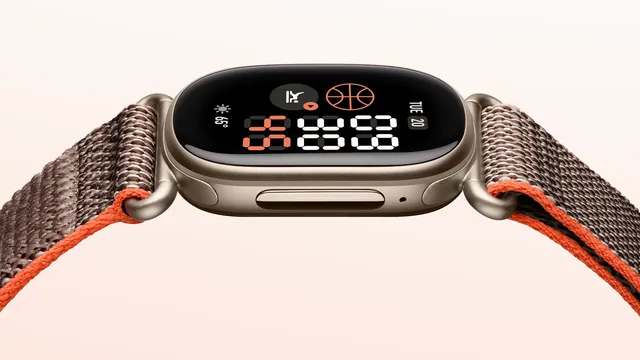
Google's Oct. 27 design post describes the Fitbit Edge tracker: a Hybrid OLED screen, a physical side button, a thin curved aluminum case and swappable bands. Here is what Google says, plus the price and availability reported so far.
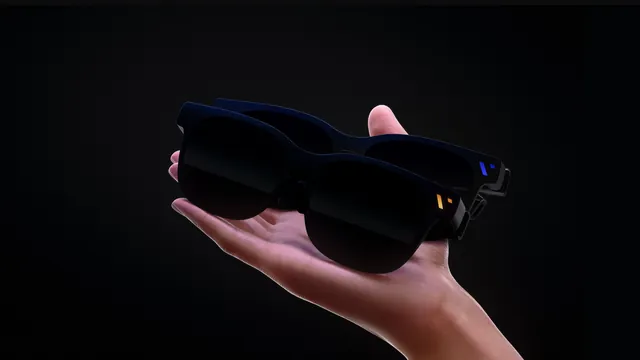
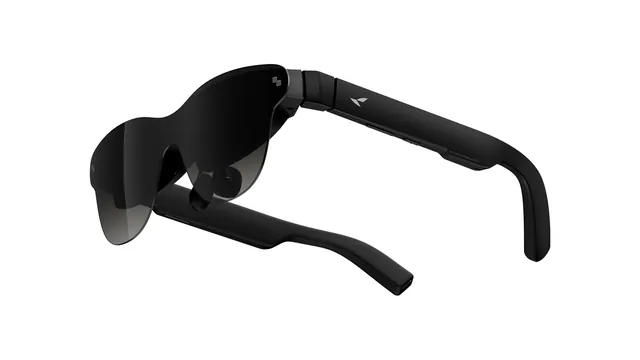
VITURE's display glasses plug into a USB-C device with DisplayPort video. The Pro 2 costs $299, the Beast starts at $549 and a $99 dock connects a Nintendo Switch 2. Here are the models, specs, accessories and what VITURE hasn't published.
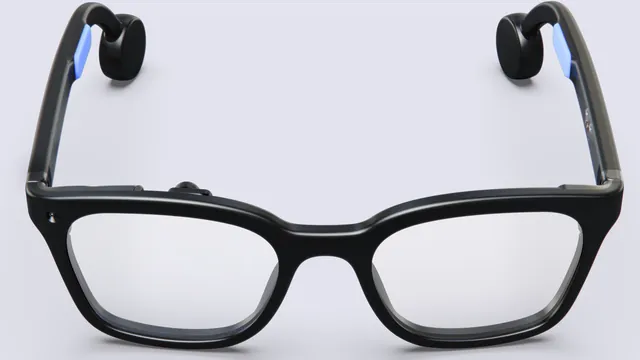
Nuance Audio glasses are EssilorLuxottica's open-ear hearing glasses for adults with perceived mild to moderate hearing loss, FDA-cleared under 510(k) K243150. The newer Nuance Audio Plus starts at $829 in the US, the company says.
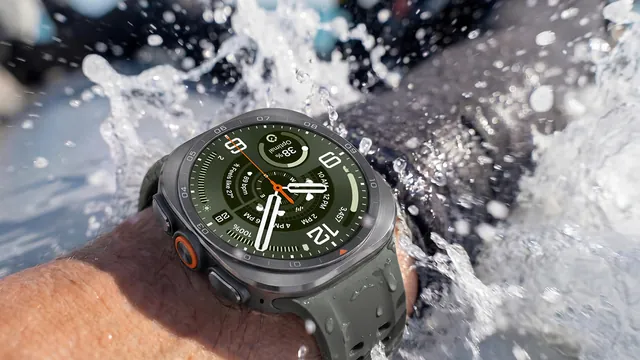
At Galaxy Unpacked in London on July 22, Samsung announced the Galaxy Watch Ultra2 and Galaxy Watch9 and showed its intelligent eyewear. There was no new Galaxy Ring in Samsung's recap, and Galaxy Buds aren't listed.
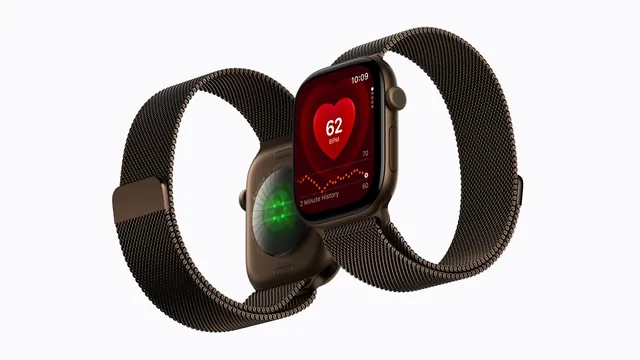
On Sept. 9, 2026, Apple announced Apple Watch Series 12 from $399, Apple Watch Ultra 4 from $799 and AirPods 5 at $129. Here is what each costs, when they went on sale and what came with them.
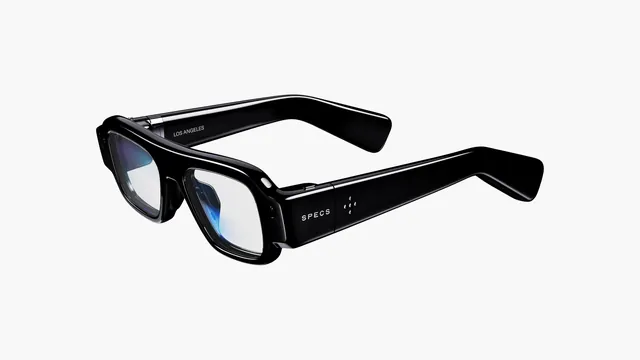
Augmented World Expo USA 2026 ran June 15 to 18 in Long Beach, California. Snap and XREAL each unveiled glasses there on June 16. Snap priced Specs that day, and XREAL set Aura's price on Oct. 7.
Google and Samsung each sell a Wear OS watch for Android owners in the US: the Pixel Watch 5 from $399.99 and the Galaxy Watch9 from $379.99. What each costs, which phone it needs, and what the store pages leave out.
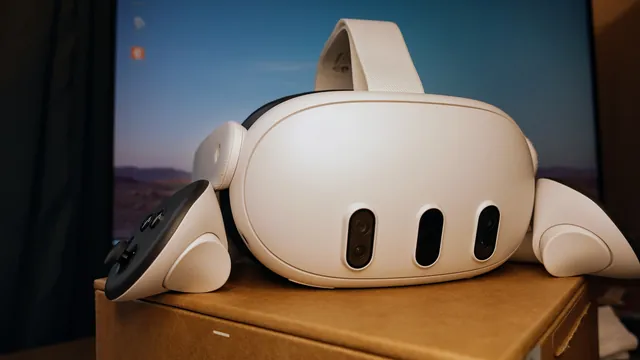
Meta has not announced a Quest 4. Here is what the company has said about future headsets, what it did announce instead, and which claims come only from outlet reports.
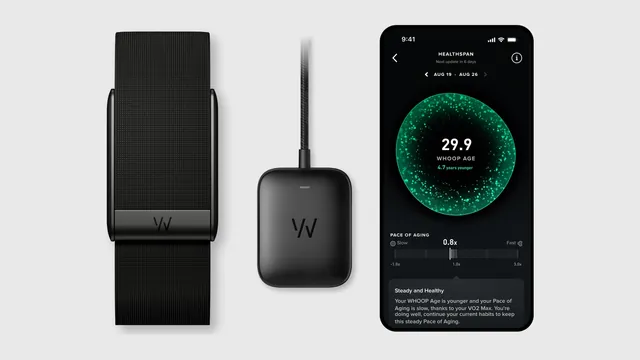
Whoop, Oura, Google's Fitbit Air and Edge, Amazfit's Helio Strap and Samsung's Galaxy Ring compared by what you pay up front and every year after, plus battery life.
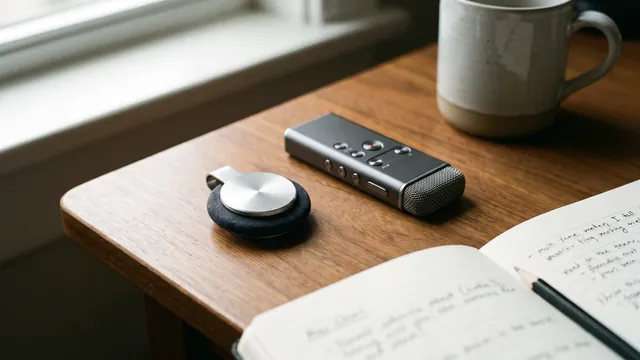
Limitless says it was acquired by Meta and no longer sells its Pendant. Bee is owned by Amazon and still sold. Plaud's NotePin costs $159.00. Here is what each one costs, what you subscribe to and what US consent rules mean when you record people.
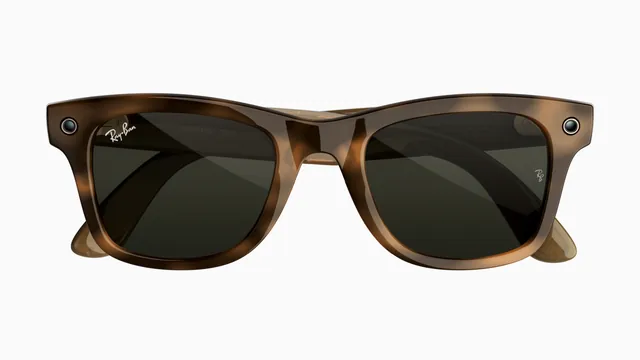
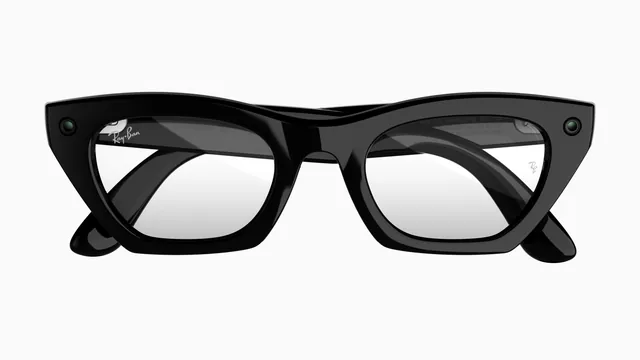
Ray-Ban Meta (Gen 3) is AI glasses with a camera and no display, from $449. XREAL One is a display for a USB-C device with no built-in camera, listed at $399 and showing a back-in-stock sign-up on XREAL's US store on Oct. 28, 2026.
Say "Hey Meta", tap and hold the touchpad or, on Gen 3, press the action button to wake Meta AI. Here are the shortcuts, battery saver steps, photo import habits and privacy controls that go with them, with links to our detailed guides.
Brilliant Labs says its Halo glasses launched Oct. 27 at $399, with Noa memory and a game called Narrative. The price and the memory tiers are on the store page. Narrative, the privacy claims and the battery figure rest on the company's word.
Meta Ray-Ban Display puts messaging, video calls, navigation, captions, music, Instagram and more on a small display in the right lens. Here is every app and feature Meta documents as of Oct. 26, 2026, what each needs and what's still coming.
Ray-Ban Meta glasses can share their camera view on WhatsApp, Messenger and Instagram video calls. Here is how to start, switch between the glasses and your phone camera, answer by voice and what the other person sees.
In the pages we read, Meta documents one way to look for lost Ray-Ban Meta glasses: Find device, which shows where the Meta AI app last connected to them. Here is what to do first, where the serial number is for a police or insurance report, and what the warranty doesn't cover.
You need a Meta Account to use Ray-Ban Meta glasses, and you can create one with an email address. Here is what linking Facebook, Instagram or WhatsApp adds, how to unlink them and what the account stores.
Ray-Ban Meta translates by ear and reads signs with its camera, while Even G2, Rokid and Meta Ray-Ban Display show translations in the lens. Here is how they compare on languages, cameras, battery and flying.
Oakley Meta Vanguard is the pair Meta built for runners, with an IP67 rating and Garmin stats by voice in the US. HSTN, Ray-Ban Meta and Engo's display glasses suit other runners, and each gives up something.
Cycling smart glasses are either camera and audio pairs like Oakley Meta Vanguard or display pairs like Engo 3 that put ride data on a lens. Here is how they compare on helmets, wind, traffic and price.
XREAL, Viture and RayNeo make plug-in glasses that turn a phone, laptop, handheld or console into a big screen. Here is how their models compare on view, brightness, refresh rate, weight and what they connect to.
Ray-Ban Meta glasses have speakers and Meta AI but no display, with a camera on Gen 3 from $449, while the $599 Even Realities G2 shows text in both lenses and has no camera. This comparison covers battery, weight, prescriptions, privacy and who each suits.
Can we count your visit?
With your permission, Google Analytics tells us how many people come and where from. How it works.