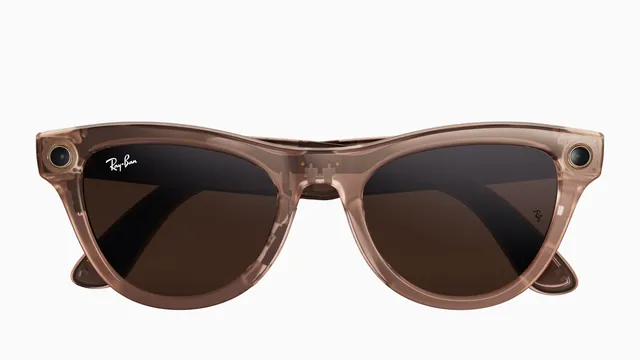
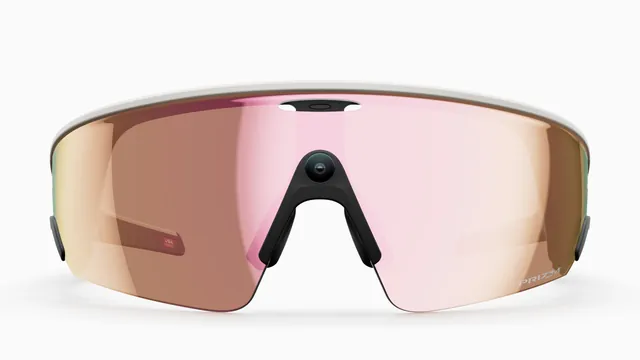
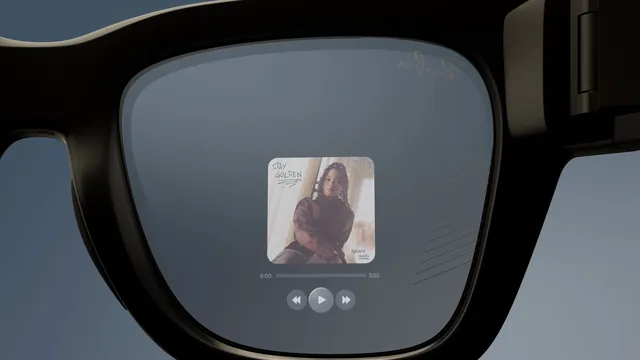
Ray-Ban Meta, Meta Ray-Ban Display, Snap Specs, Android XR and every pair of glasses that puts AI on your face: launches, features, prices and what they are really like to live with.
Ray-Ban Meta glasses blink red four times before they shut down from heat or cold, and the case won't charge a pair that's too hot. Here is what Meta and Ray-Ban publish about temperature, what to do when it happens and what neither company has said.
Garmin's voice stats, status LED and autocapture need Garmin's Meta AI app and work only in the US for now. Strava overlays are a connection inside the Meta AI app. Here is how to set up both and which glasses each one supports.
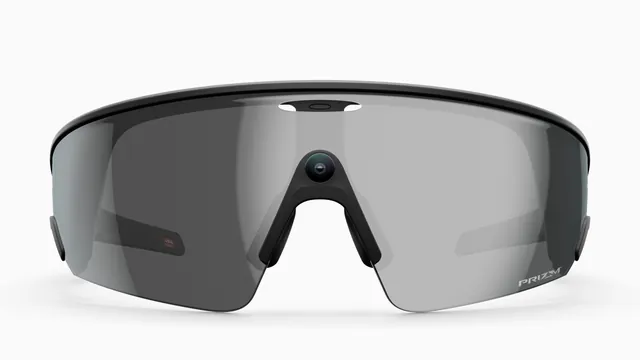
Oakley Meta HSTN comes with Prizm, Prizm Polarized, Transitions or clear lenses, and Vanguard with Prizm or Prizm Transitions. Here is what each costs, what Oakley says it is for and what spare lenses run.
Meta rates Meta Ray-Ban Display at up to six hours of mixed use, with up to 24 more from its folding case, and the Neural Band at up to 18 hours. Here is what Meta hasn't published, and how the numbers compare with Ray-Ban Meta Gen 3 and Oakley Meta.
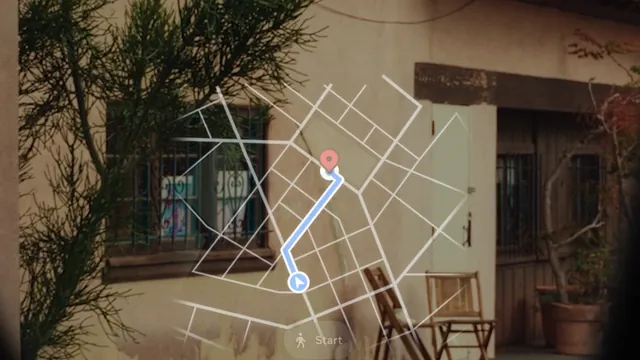
Meta Ray-Ban Display shows a map and turn-by-turn walking directions in the right lens. Meta says walking navigation covers every US city and international cities such as London, Paris and Rome, driving isn't supported, and cycling and transit directions are announced for the US and Canada.
Meta Ray-Ban Display can show speech as text in the right lens and translate conversations. You start both from the glasses menu, the Meta AI app or your voice, and Meta says translation covers 20 languages.
Meta Ray-Ban Display takes single-vision prescriptions from -4.00 to +4.00, built into the display lens when you buy, so a new prescription means a new order. The glasses come in two frame sizes, and the Neural Band comes in three.
Vanguard costs $100 more than HSTN and has an IP67 rating, louder speakers, a shield lens made to fit under helmets and an extra hour of battery. HSTN is the cheaper everyday pair and the only one sold with prescription lenses.
Oakley Meta HSTN is sold with prescription lenses and Vanguard isn't. Oakley lists a range of -6.00 to +4.00 for HSTN, while the prescription FAQ on Best Buy's Meta page lists -12.00 to +6.00, so confirm your numbers before you pay.
Meta and Oakley rate HSTN at up to eight hours and Vanguard at up to nine, with up to 48 and 36 more hours from the case. Here are the nonstop-use figures, charging times, battery saver and how both compare with Ray-Ban Meta.
Ray-Ban's FAQs name 15 to 18 countries where it sells Ray-Ban Meta, and Meta's help center names 17 where its AI glasses are supported. Here is every country named so far, the 11 markets due later this year and which Meta AI features are limited to the US.
Lost, broken or just short of a spare? Meta says you can order a replacement Ray-Ban Meta charging case, but its two cases fit different glasses. Here is how to order one, what it costs and what to do while you wait.
Ray-Ban's safety guide says the glasses are for people 13 and older, and Meta's terms set the same minimum age for the Meta account you need to use them. Here is what else the sources say about kids, teens, fit and privacy.
Meta, Ray-Ban, Best Buy, Amazon and the optical chains all sell Ray-Ban Meta glasses, but they differ on in-store try-on, prescription lenses and return windows. Here is what each seller offers, plus how to buy a used pair or time a gift.
Every Ray-Ban Meta generation lists a 12MP ultra-wide camera, and video goes from 1080p on Gen 1 to 3K on Gen 2 and Gen 3. Here are the specs, three real sample photos, what point-of-view framing does to a photo and how the glasses compare with a phone on paper.
Prescription Ray-Ban Meta pairs may qualify for FSA, HSA and vision insurance, according to Best Buy, and Ray-Ban's site has an insurance option at checkout. Here is what the sources say, what the IRS requires and what only your plan can answer.
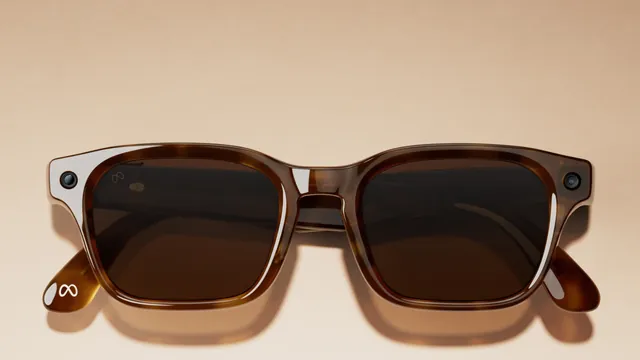
Meta's own line of AI glasses starts at $249 and now includes designs with Kylie Jenner and LISA. Here is every model, what it costs, how long it lasts, which prescriptions it takes and where to buy it.
Ray-Ban Meta Audio is Meta's first pair of glasses without a camera: $349, as light as 43 grams and rated for up to 12 hours of battery. Here is what is in the frames, what is missing and who they suit.
Ray-Ban Meta glasses come with clear, sun, polarized or Transitions lenses, and any of them can be ordered with a prescription. Here is what each costs, which frames offer them and whether you can change them later.
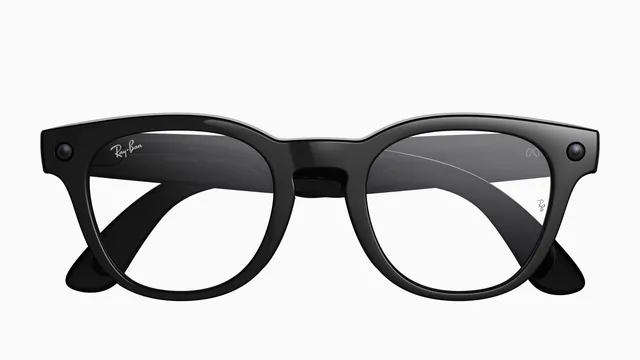
Meta and EssilorLuxottica now sell three generations of Ray-Ban Meta camera glasses, prescription-first Optics frames and a camera-free Audio line. Here's what each one costs, does and lasts, and how they compare with Oakley Meta and Meta Ray-Ban Display.
Ray-Ban, not Meta, handles warranty claims for Ray-Ban Meta glasses, and the standard warranty lasts one year in the US. Here is what it covers, how long you have to return a pair, how to file a claim and what repairs are possible.
Gen 3 adds an hour of battery, a sixth microphone, an action button and two new styles for $70 more than Gen 2, while the camera and video specs match. Here is what changed and who should pay the difference.
Gen 2 doubled the battery life of the 2023 Ray-Ban Meta glasses and moved video from 1080p to 3K, for $80 more at launch. Here is what else changed, what didn't, and how to tell which generation a pair is before you buy it used.
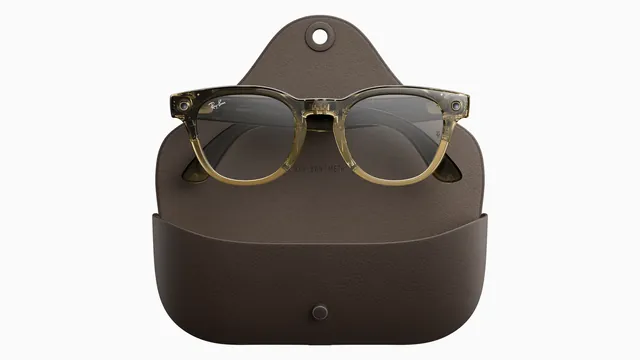
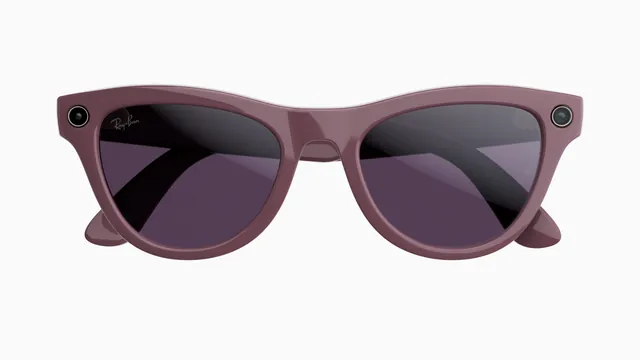
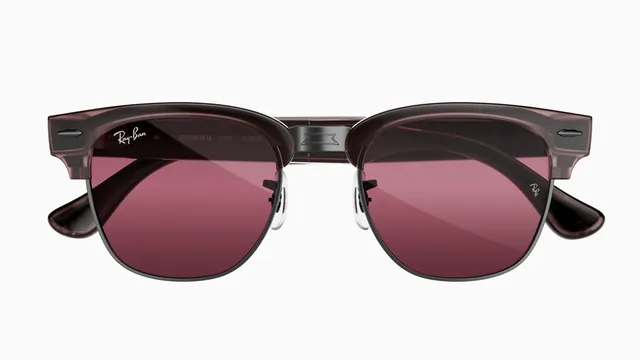
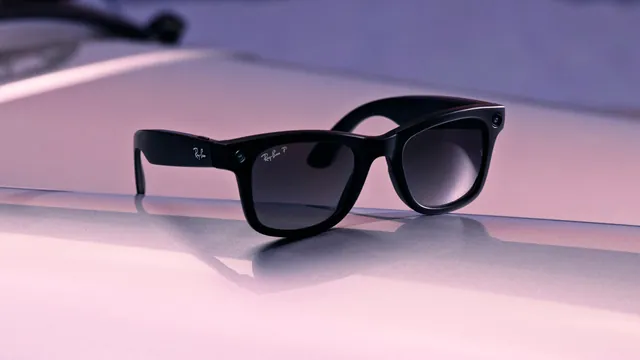
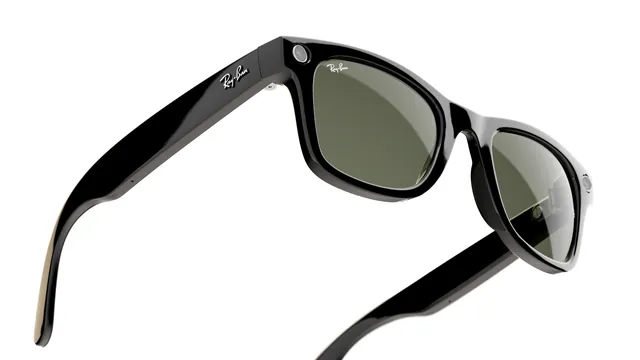
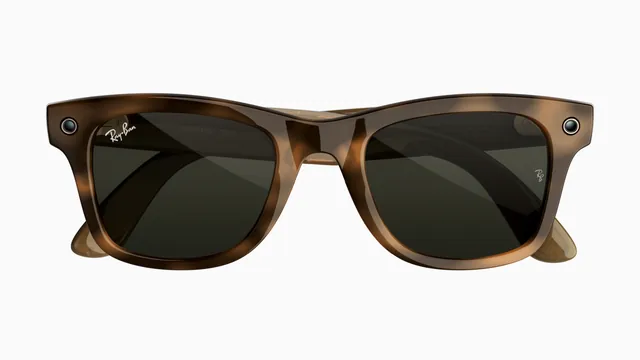
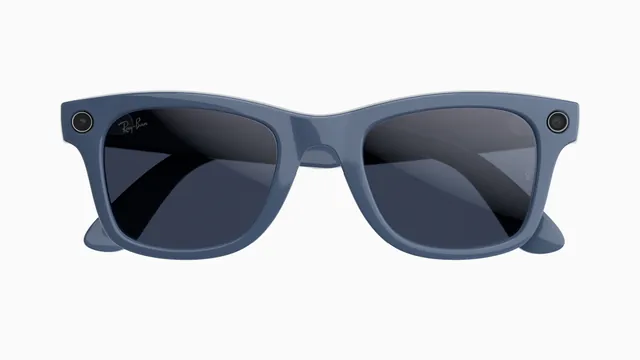
Ray-Ban Meta glasses come in nine frame shapes, from the classic Wayfarer to the new Aviator and Zena. Here is how the styles, sizes and fits differ, what each weighs and costs, and how to pick one.
Can we count your visit?
With your permission, Google Analytics tells us how many people come and where from. How it works.