Ray-Ban Meta, Meta Ray-Ban Display, Snap Specs, Android XR and every pair of glasses that puts AI on your face: launches, features, prices and what they are really like to live with.
Meta Ray-Ban Display puts messaging, video calls, navigation, captions, music, Instagram and more on a small display in the right lens. Here is every app and feature Meta documents as of Oct. 26, 2026, what each needs and what's still coming.
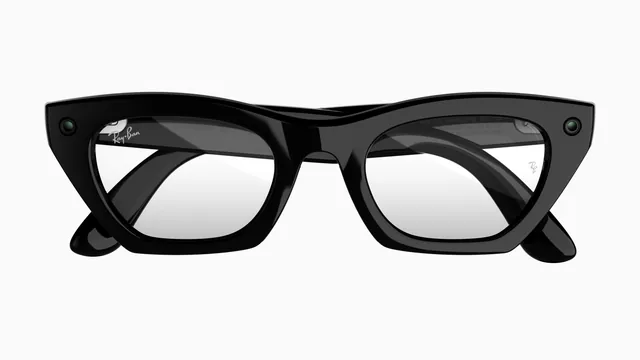
Ray-Ban Meta glasses can share their camera view on WhatsApp, Messenger and Instagram video calls. Here is how to start, switch between the glasses and your phone camera, answer by voice and what the other person sees.
In the pages we read, Meta documents one way to look for lost Ray-Ban Meta glasses: Find device, which shows where the Meta AI app last connected to them. Here is what to do first, where the serial number is for a police or insurance report, and what the warranty doesn't cover.
You need a Meta Account to use Ray-Ban Meta glasses, and you can create one with an email address. Here is what linking Facebook, Instagram or WhatsApp adds, how to unlink them and what the account stores.
Ray-Ban Meta translates by ear and reads signs with its camera, while Even G2, Rokid and Meta Ray-Ban Display show translations in the lens. Here is how they compare on languages, cameras, battery and flying.
Oakley Meta Vanguard is the pair Meta built for runners, with an IP67 rating and Garmin stats by voice in the US. HSTN, Ray-Ban Meta and Engo's display glasses suit other runners, and each gives up something.
Cycling smart glasses are either camera and audio pairs like Oakley Meta Vanguard or display pairs like Engo 3 that put ride data on a lens. Here is how they compare on helmets, wind, traffic and price.
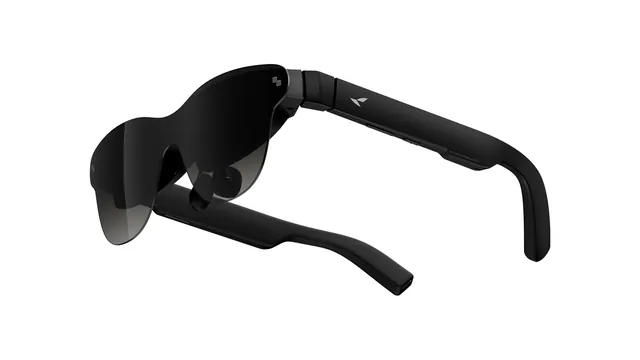
XREAL, Viture and RayNeo make plug-in glasses that turn a phone, laptop, handheld or console into a big screen. Here is how their models compare on view, brightness, refresh rate, weight and what they connect to.
Ray-Ban Meta glasses have speakers and Meta AI but no display, with a camera on Gen 3 from $449, while the $599 Even Realities G2 shows text in both lenses and has no camera. This comparison covers battery, weight, prescriptions, privacy and who each suits.
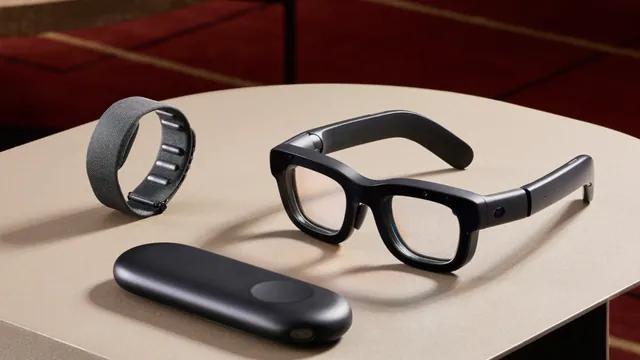
Orion is the AR glasses prototype Meta unveiled on Sept. 25, 2024 and has never sold. This explainer covers what Meta has said about its display, puck and wristband, why it stays in the lab and what Meta and the press say about consumer AR glasses.
Conversation focus amplifies the voice of the person you're facing in noisy places and is free in Meta's Early Access program. Hearing enhancement is FDA-cleared hearing aid software that Meta says reaches the US later this year for $149.99.
Meta lists music, calling, sharing, fitness and accessibility apps for its glasses, and a toolkit for third-party apps is rolling out. Here is what each one does and which glasses and countries it needs.
Wearing smart glasses in public is generally legal in the US, but courts, test providers, cruise lines and venues write their own rules. Some name smart glasses; others name cameras or recording devices and leave the call to staff.
Nothing we read from TSA, the FAA or Ray-Ban bars Ray-Ban Meta glasses from a plane. The rules that apply cover batteries, personal electronics and filming at checkpoints.
At I/O on May 19, Google promised audio glasses with Samsung, Gentle Monster and Warby Parker, Gemini features for watches and glasses, Wear OS 7 and new developer tools. As of Oct. 25, the watch software has shipped and the glasses have not.
Rokid, RayNeo, XREAL, Meta and RingConn used CES in January to show new glasses, software and a ring. As of Oct. 25, five of the new products are on sale in the US, Meta's pause on its international rollout is over, and the demonstrations from RayNeo and Meta are not products.
Meta, Valve, Samsung, Apple and Sony all sell a different kind of VR or mixed reality headset in the US, from $349.99 to $3,699. Here is how they compare on price, display, weight, battery, tracking and apps, and who each one suits.
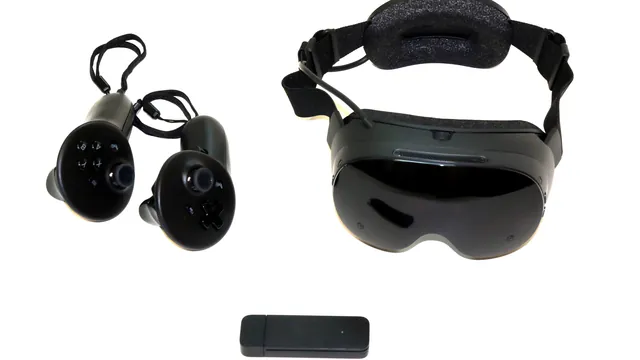
Valve's Steam Frame is a standalone SteamOS headset that also streams PC VR through its own wireless adapter. It costs $1,059 with 256GB or $1,299 with 1TB. Here is what's in the box, what runs on it and how it compares with Quest 3, Meta VR Glasses, Galaxy XR and Vision Pro.
Omdia counted 8.7 million AI glasses shipped in 2025, IDC puts Meta at 68.7% of headsets and glasses in the second quarter of 2026, and Counterpoint reports 263% growth in the first half. The totals differ because each firm counts different products.
The cheapest smart glasses with a camera cost $249, and Ray-Ban Meta Gen 2, Oakley Meta HSTN and a few other pairs list at $399 or less. This guide covers what each does, who it suits and what you give up compared with pricier models.
Meta's glasses, Even Realities' G2, Amazon's Echo Frames and plug-in display glasses all work with an iPhone, within limits each company spells out. This guide covers what each needs, what iOS changes and what Apple itself sells.
No state law we read names smart glasses, but rules written for phones, headsets and video screens can reach them, and Meta tells wearers to use caution at the wheel. This guide covers the statutes, Meta's warnings and the lens makers' driving advice.
Mainland China shipped nearly one million AI glasses in 2025, and Chinese brands hold two of the top three spots worldwide. Prices at home start near 1,900 yuan, and only some of the brands sell outside China.
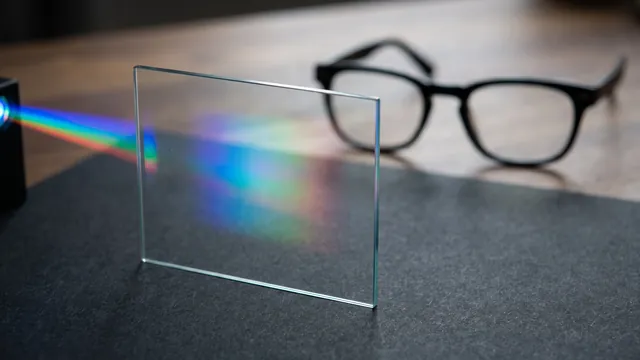
A waveguide is a clear plate that carries light from a tiny projector to your eye, so text can appear in front of you while the lens stays see-through. The three main types bend the light in different ways, and each one costs something in brightness, color, field of view or price.
Can we count your visit?
With your permission, Google Analytics tells us how many people come and where from. How it works.