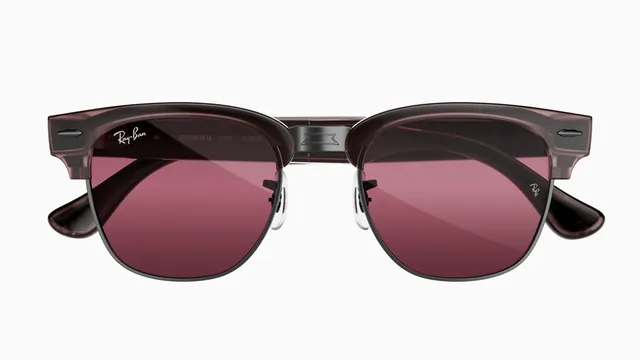
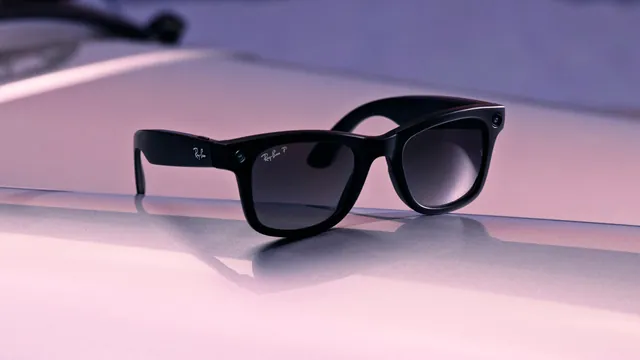
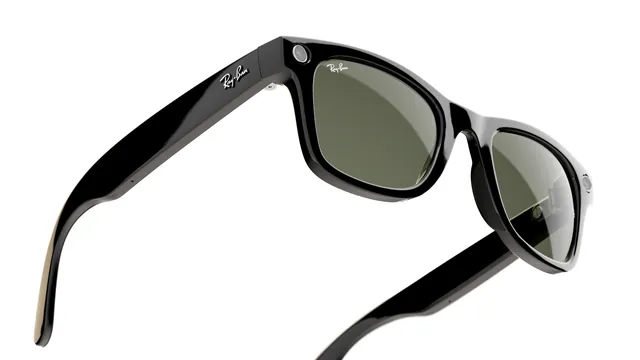
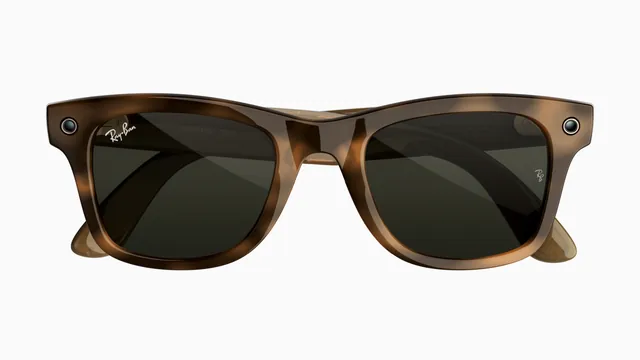
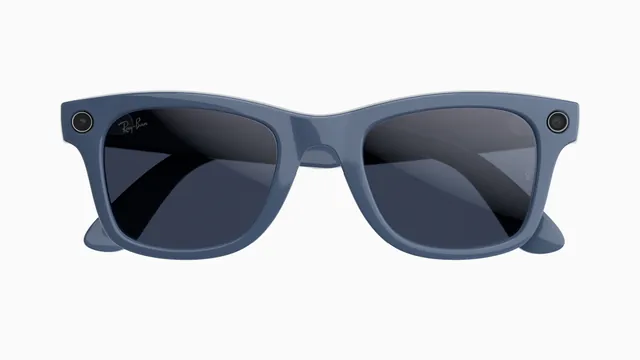
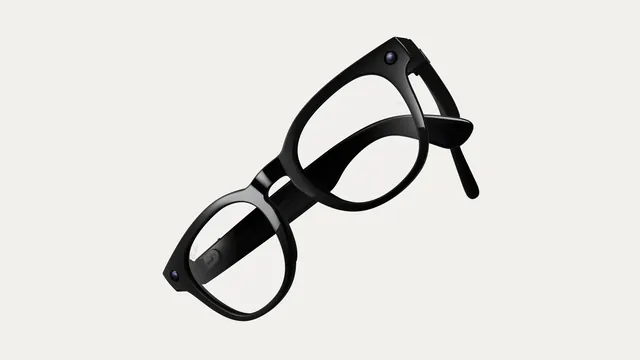
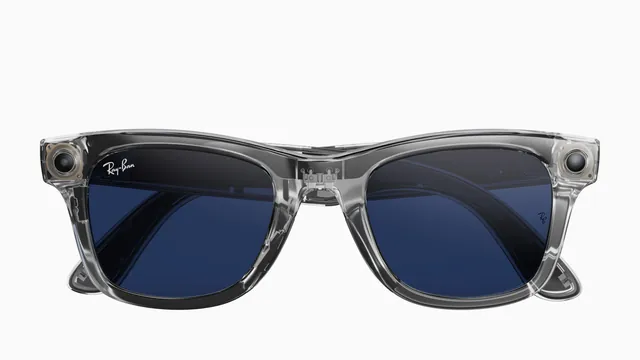
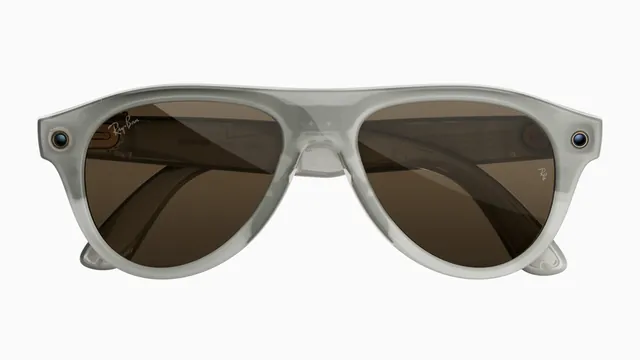
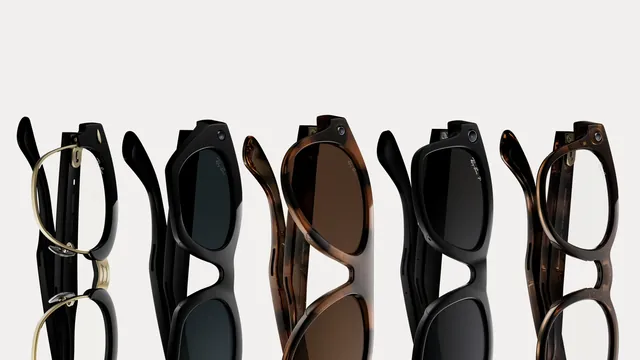
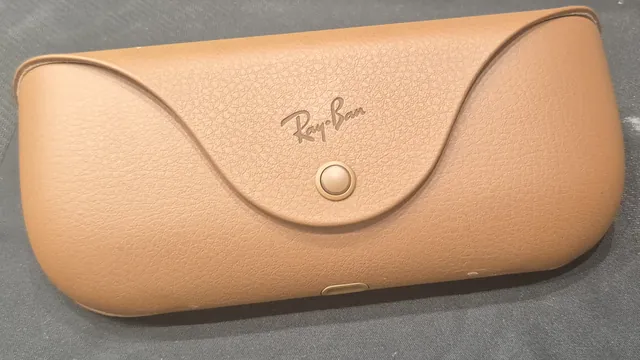
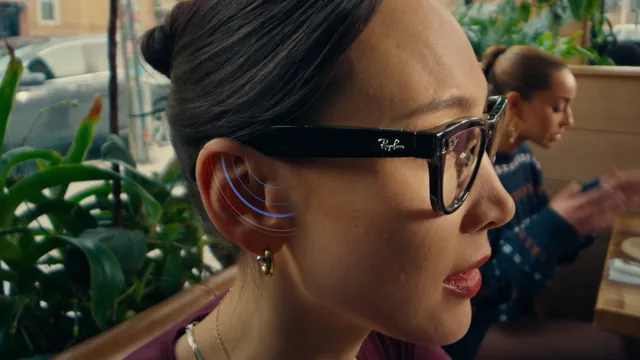
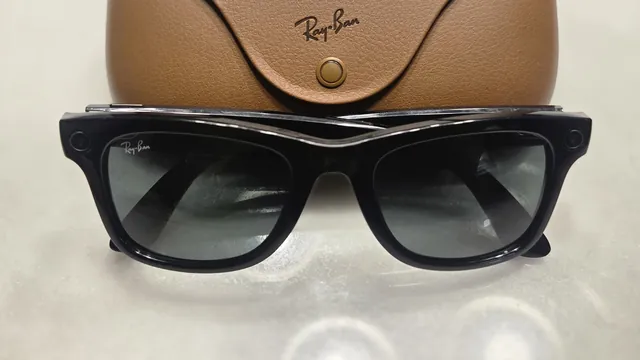
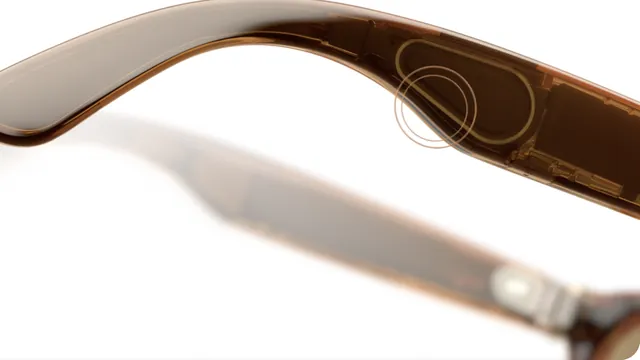
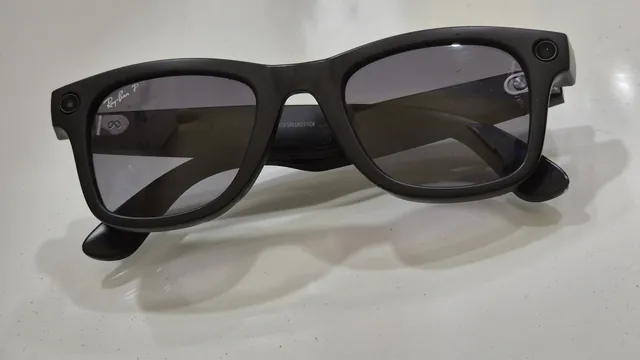
Ray-Ban Meta Audio is Meta's first pair of glasses without a camera: $349, as light as 43 grams and rated for up to 12 hours of battery. Here is what is in the frames, what is missing and who they suit.
Ray-Ban Meta glasses come with clear, sun, polarized or Transitions lenses, and any of them can be ordered with a prescription. Here is what each costs, which frames offer them and whether you can change them later.
Meta and EssilorLuxottica now sell three generations of Ray-Ban Meta camera glasses, prescription-first Optics frames and a camera-free Audio line. Here's what each one costs, does and lasts, and how they compare with Oakley Meta and Meta Ray-Ban Display.
Ray-Ban, not Meta, handles warranty claims for Ray-Ban Meta glasses, and the standard warranty lasts one year in the US. Here is what it covers, how long you have to return a pair, how to file a claim and what repairs are possible.
Gen 3 adds an hour of battery, a sixth microphone, an action button and two new styles for $70 more than Gen 2, while the camera and video specs match. Here is what changed and who should pay the difference.
Gen 2 doubled the battery life of the 2023 Ray-Ban Meta glasses and moved video from 1080p to 3K, for $80 more at launch. Here is what else changed, what didn't, and how to tell which generation a pair is before you buy it used.
Ray-Ban Meta glasses come in nine frame shapes, from the classic Wayfarer to the new Aviator and Zena. Here is how the styles, sizes and fits differ, what each weighs and costs, and how to pick one.
Ray-Ban Meta glasses take prescriptions from -12.00 to +6.00 total power, with single-vision, progressive and Transitions lenses. Here is where to order them, what they add to the frame price and how long they take.
Meta rates Ray-Ban Meta glasses IPX4: they handle sweat, splashes and light rain. They aren't designed for swimming, showers or submersion, and the charging case isn't water resistant at all.
Meta rates Ray-Ban Meta glasses at up to four hours (Gen 1) to 12 hours (Audio) per charge, and the case adds up to 32 to 50 hours more. Here is what each model gets, what drains a charge faster, how long charging takes and what battery saver does.
Current Ray-Ban Meta glasses cost $349 to $579 in the US before prescription lenses, and leftover first-generation pairs go for less. Here's what each model and lens option costs on Ray-Ban.com, what prescriptions add and how prices compare abroad.
Ray-Ban Meta glasses need the free Meta AI app before they do much of anything. Here's what you need, how to pair them on iPhone or Android, what to set up next and how to fix a pairing that won't go through.
"Hey Meta" is only the start. Here's how to wake Meta AI on your Ray-Ban Meta glasses, ask about what you're looking at, and the commands for photos, calls, music, reminders and translation.
Your Ray-Ban Meta glasses can translate a conversation as it happens and read signs and menus for you. Here's how to start it, which languages work offline and which need a connection.
One press of the capture button takes a photo, and a long press starts a video. Here's how to do both by voice, how long clips can be, which quality settings to change and where the files end up.
Taps and swipes on the right arm control music, calls and Meta AI, and the capture button handles the camera. Here's what each gesture does, how the Gen 3 action button works and what you can change.
The power switch is on the left arm, and a small light inside the frame tells you what the glasses are doing. Here's how to turn them on and off, what each color means and how to restart a pair that won't respond.
Everything you shoot stays on your Ray-Ban Meta glasses until the Meta AI app moves it to your phone. Here's how auto-import and manual import work, where the files end up and what to do when an import won't start.
Ray-Ban Meta glasses can place calls, dictate messages and send photos on WhatsApp, Messenger, Instagram and your phone's own calling and texting. Here's how to connect each one and what to say.
Ray-Ban Meta glasses work like open-ear headphones for anything on your phone, and a handful of services also work by voice. Here's which ones, how to connect them and how much the people around you will hear.
Over two days in September, Meta unveiled $1,299.99 VR Glasses, two new Ray-Ban models, cheaper Meta Glasses, hearing enhancement and plans to put its Muse agent on your face. A month later, here is everything it announced, what you can buy today and what is still to come.
Meta Ray-Ban Display puts a small full-color screen in a pair of Ray-Bans and pairs it with a wristband that reads finger movements. It costs $799 in the US and is now sold online and in five more countries.
Oakley's AI glasses come in two models: the everyday HSTN, from $399, and the wraparound Vanguard for high-intensity sport, at $499. They differ in battery life, water resistance, lenses and prescription support.
Smart glasses are ordinary-looking frames with speakers, microphones and often a camera or a tiny display, linked to your phone and an AI assistant. Here's how the types differ, who makes them, what they cost and what to know before wearing a pair in public.
Can we count your visit?
With your permission, Google Analytics tells us how many people come and where from. How it works.