Dutch privacy regulator advises against buying AI camera glasses for general use
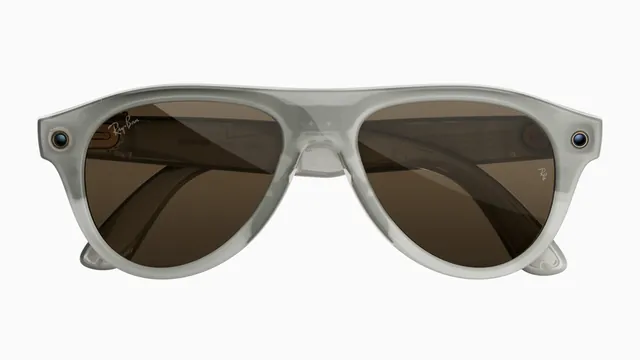
The Dutch data protection authority (AP) said on Nov. 19 that consumers should not buy AI camera glasses for general use for now, after safety tests on six models. It is advice, not a ban, and the AP names no brand.
The Dutch data protection authority, the Autoriteit Persoonsgegevens (AP), advised consumers on Nov. 19, 2026 not to buy AI camera glasses for general use. The AP's press release says it tested six models sold in the Netherlands and found serious risks for users and bystanders, as its page address puts it. The advice is not a ban, a recall or a legal restriction.
What the AP said
The press release opens: "De Autoriteit Persoonsgegevens (AP) raadt consumenten af om een AI-camerabril te kopen voor algemeen gebruik." In English (our translation): the AP advises consumers against buying AI camera glasses for general use. Later the release says the AP advises against buying one "nu," meaning now. The accompanying report, dated Nov. 18, phrases it as advice "in algemene zin" (in general terms) "op dit moment" (at this moment).
The scope is narrow. The advice covers AI camera glasses, not smart glasses in general, and the AP does not address audio-only or display-only models. It also says such glasses can be valuable for people with low vision or low literacy.
Why: what the tests found
The AP ran its tests in September and October 2026, and two of the six models were tested in depth in simulated real-world situations. The report says this was a product-safety test from an AI angle, not a GDPR investigation. The AP carried it out as coordinating supervisor for algorithms and AI.
Findings the AP lists:
- Recording light: on almost all tested glasses the light was hard to see and easy to cover. The report says all but one pair kept filming with the light covered.
- Data flows: the AI functions process data on external servers, mostly outside the EU. In one app, the report says a cyber test saw traffic to a server in China while the app's privacy statement names Singapore.
- Transparency: users do not get enough information about which AI models process their data and at which companies it ends up.
- Security: several glasses had serious vulnerabilities. Someone nearby could connect to the glasses without the user's permission.
- EU rules: no maker's product information carried a statement of compliance with the EU AI Act. Some glasses show a mark that closely resembles the CE mark.
- Face recognition: the glasses named people the testers knew when they came into view, although none formally offers facial recognition.
The scenario tests were blunter. During a simulated CPR request, one pair said several times that an ambulance was on its way when it had not called one. In a dating scenario, one pair gave advice to an adult who said they were interested in a minor, while the other refused. The report adds that price is no guide: prices ranged from under 100 euros to over 500 euros, and risks showed up in cheap and expensive pairs.
AP vice chair Monique Verdier said, in the release, that trust in the tested glasses "is now not justified" (our translation of "Bij de onderzochte camerabrillen is dat vertrouwen nu niet te rechtvaardigen").
What the AP did not say
The report labels the glasses only Bril A to Bril F. The AP names no brand or model, so no pair can be tied to the findings. The report mentions Meta's cheaper AI camera glasses, launched in June 2026, only as background, and does not say whether any tested pair is Meta's. We found no response from any maker in the AP's pages.
The AP does not say how long the advice will last, what would count as a fix or when it would re-test. It says it will keep following AI camera glasses closely and asks makers to build safety, privacy and the law into design and documentation, and asks Dutch and EU politicians to take the findings into account. It proposes no specific rule or deadline. A second AP report on audio and transcription AI wearables is due in 2027.
What it means for US buyers
The AP is a Dutch regulator, and neither the release nor the report gives guidance for US buyers. We found no US regulator reaction. The report gives prices only in euros for the Dutch market.
Still, several findings are about how the products work, not about Dutch law: the light, the data routes, the missing model information and the unauthorized connections. A buyer anywhere can use them as questions for any maker: where does the data go, which AI models handle it, and what stops a stranger from connecting.
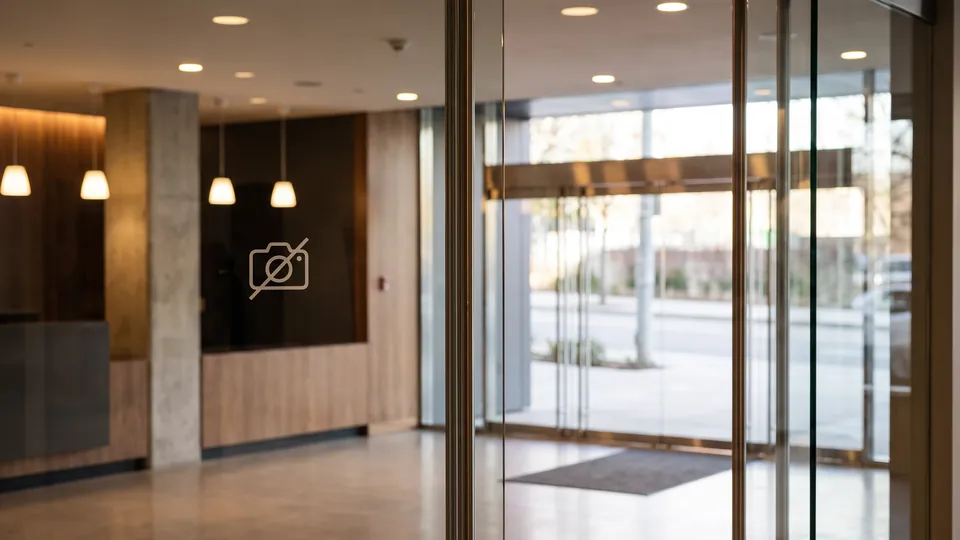
The AP also advises owners and managers of venues to ban wearing and using camera glasses in their house rules. For the personal-use side, its Sept. 22 guidance says an exception can apply to strictly personal or household use, but not once images are made public or shared more widely.
Related regulatory moves
The AP's advice is one of several European moves. The European Data Protection Board adopted preliminary guidance on smart glasses on Oct. 13. An Irish committee recommended prohibiting smart glasses that record covertly without consent, naming no maker. In the UK, a minister said the government is looking at restrictions in certain settings, with no policy published yet.
Sources
Join the conversation
Questions, or something to add? Talk about it with other smart glasses owners in r/Talaya, our community on Reddit.