UK considers restrictions on smart glasses over covert filming
A UK minister told MPs on Nov. 4 that the government is looking at restricting smart glasses in certain settings and limiting sales to certain users, the Guardian and UK FactCheck report. No bill or official text has been published.
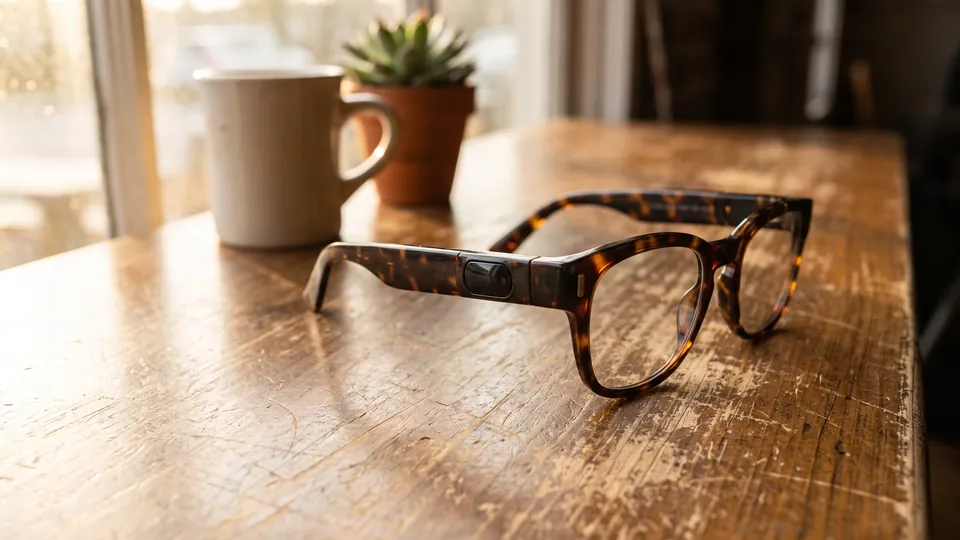
A UK government minister said in the House of Commons on Wednesday, Nov. 4, 2026, that the government is considering limits on smart glasses, both in certain places and on who can buy them. The remarks came during a Westminster Hall debate on covert filming of women. No bill, draft law or official government text has been published, and the minister did not announce a policy.
What the minister said
According to the Guardian, safeguarding minister Satvir Kaur told MPs: "The government is already looking into options to restrict smart glasses in certain settings and restricting the sale to certain users." She also said: "The benefits of smart glasses must be weighed against the harms they can cause."
UK FactCheck adds that Kaur did not announce a policy, a timetable or a legal mechanism, and did not say which users or settings the restrictions might cover. It also reports that she did not use the word "ban", although the Guardian's headline does. The outlet says she described the work as "happening at pace". It says her remarks appear to be the first time a minister has said on the record that the government is weighing limits on who can buy the glasses.
We could not read the official Hansard record of her speech. The quotes come from the Guardian and UK FactCheck, which use the same wording.
Settings already under review
The Guardian reports that Kaur said people who film with smart glasses already risk breaking the law in some settings, such as a court where cameras are prohibited. She said NHS England and the Department for Education are "currently looking into wearable technology in certain settings as well". Both bodies are only looking at the question, and no decision from either was reported.
UK FactCheck notes that ministers had until now stressed that existing offences cover some misuse. In September, it says, women and equalities minister Bridget Phillipson told the Commons that offences including voyeurism applied to some uses.
Kaur also pointed to benefits: the Guardian reports she called smart glasses "a gamechanger" for visually impaired people.
Why MPs raised it
The debate was opened by Liberal Democrat MP Anna Sabine. The Guardian quotes her saying: "Women are reporting waking up after nights out to find videos of themselves have gone viral online, filmed without their knowledge or consent by men wearing smart glasses." She also said one of the selling points in advertisements was that the glasses could be used "to film discreetly", the Guardian reports.
In the debate transcript on TheyWorkForYou, DUP MP Jim Shannon said: "It is estimated that hundreds of thousands of these smart glasses have already been sold right here in the United Kingdom." That is an MP's estimate in a debate, not a government figure, and we have not verified it.
UK FactCheck reports that the domestic abuse charity Refuge has warned the glasses "threaten the safety of all women and girls in public, facilitating harassment, surveillance and other abuse".
What the industry says
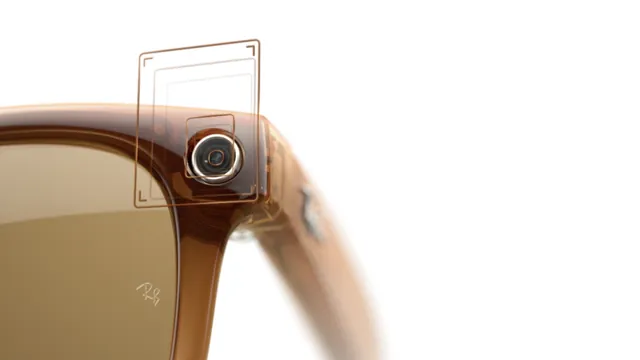
UK FactCheck reports that Meta, which makes the Ray-Ban Meta and Oakley Meta glasses, has said privacy is built into the devices and that a light shows when they are recording. According to the same outlet, the Liberal Democrats wrote to the Commons Speaker last month saying the light could be covered or disabled. We found no Meta response to this specific debate.
Other pressure points
UK FactCheck lists several related developments:
- A petition calling for an immediate ban on the sale and promotion of smart glasses has passed 10,000 signatures, the threshold at which the government must respond. It closes on Dec. 9. We have not checked the petition site, and we do not know whether a government response has been issued.
- J D Wetherspoon banned customers from filming with Meta glasses across its more than 800 pubs in August. That is a company venue policy, not a government rule.
- The Information Commissioner's Office said in March it was contacting Meta about the glasses after Swedish press reports about intimate footage seen by contractors reviewing AI training data.
What it means for owners and buyers
The debate produced no policy, bill or timetable. Owners and buyers in the UK already face some venue rules, such as the court camera ban Kaur mentioned and Wetherspoon's policy in its pubs. Our guide to where smart glasses are banned covers written venue rules, though it focuses on the US and lists none for the UK. Our explainer on whether it is legal to record with smart glasses covers US state law only and does not address UK law.
What is still unknown
- Which users could be barred from buying the glasses, and which settings would be restricted.
- Whether a measure would be a sale rule, a use rule or both.
- The legal mechanism and the timetable.
- Whether the government would ban the glasses outright. Kaur did not use that word, per UK FactCheck.
- What NHS England and the Department for Education will decide about wearables.
We will update this story if the government publishes a consultation, bill or other official text.
Sources
Join the conversation
Questions, or something to add? Talk about it with other smart glasses owners in r/Talaya, our community on Reddit.