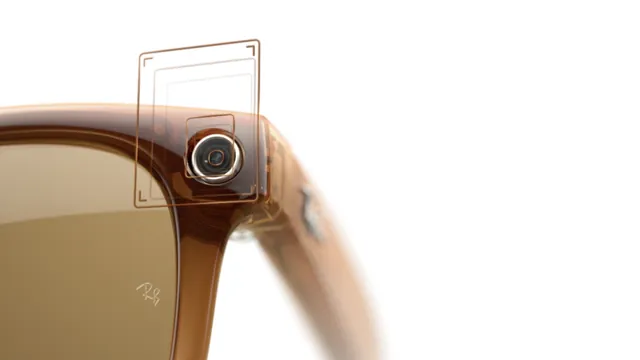
Irish committee recommends banning smart glasses that record covertly without consent
An Irish parliamentary committee wants the Data Protection Commission to address smart glasses privacy. Its recommendation names no manufacturer and creates no ban.
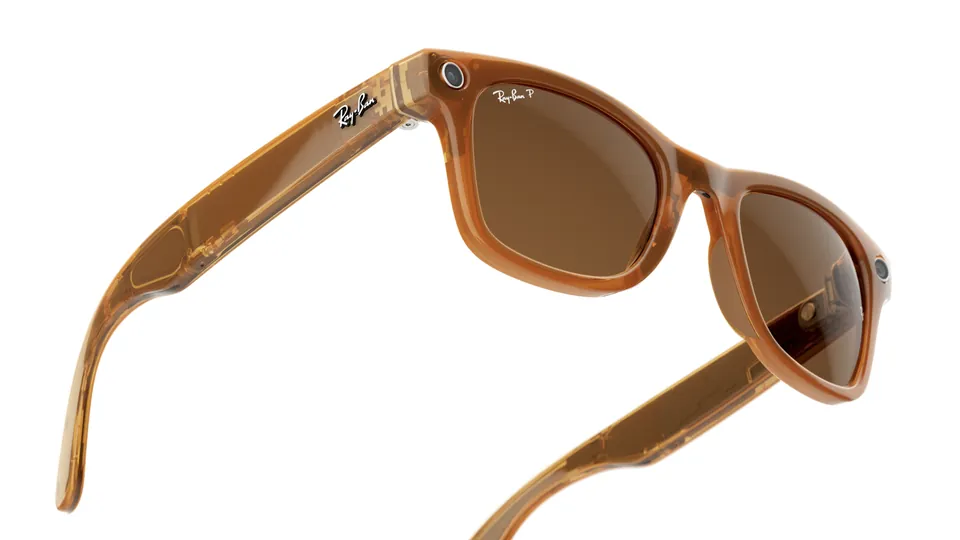
Ireland’s Joint Committee on Artificial Intelligence has recommended prohibiting smart glasses capable of recording people covertly without consent. The proposal appears in its third interim report, published Nov. 10, and asks the Data Protection Commission to take up the issue. It is a parliamentary recommendation, with no ban created by the report itself.
For owners and prospective buyers, the report does not itself change what they may buy or wear. It also leaves substantial questions about any future restriction unanswered, including which devices would qualify and whether a prohibition would cover sales or use.
What the Irish committee recommends
Recommendation 63 begins: “Smart glasses should be regulated to address privacy concerns.” Its proposed prohibition is expressed as: “Smart glasses capable of covert recording without consent should be prohibited”. The same passage says “this matter should be taken up by the Data Protection Commission.”
That wording names no manufacturer or model. RTÉ’s account focuses on Meta glasses and describes the concern as users covertly capturing video and photographs of people without their consent. The official recommendation reaches beyond that brand framing by defining the glasses through a recording capability.
According to RTÉ, the committee comprises Irish TDs and senators. This is a proposal from Ireland’s parliament, not a UK measure or an EU-wide regulatory decision. Referring the issue to the Data Protection Commission does not establish that the commission has issued an enforcement order.
Consent and the recording light
The report’s discussion of smart glasses raises concerns about people being recorded against their will. It also acknowledges potential benefits, particularly for visually impaired people. RTÉ includes that accessibility consideration in its coverage.
In testimony quoted by the report, ICCL warns that bystanders may miss the recording indicator: “however, you may not see that light.”
The same testimony raises concerns about glasses being paired with facial recognition in other jurisdictions. That passage does not establish that facial recognition is a live Meta glasses feature. The report dates the ICCL testimony to May 19, 2026.
Although the report recognizes accessibility benefits, recommendation 63 does not spell out an accessibility exemption. Nor does it supply a technical test for covert recording or a legal definition of consent that would determine which glasses fall within its proposed prohibition.
What would need to be settled before a ban
The wording could, if adopted, provide a basis for restrictions covering camera glasses from manufacturers beyond Meta. An implementing measure would still need to define the devices and conduct it covers.
The recommendation does not specify whether restrictions would apply to imports or ownership, for example, or only to particular uses. It provides no commencement date or penalty. RTÉ’s article carries no Meta response to the report.
Other countries’ discussions remain separate. In Talaya’s Nov. 5 coverage of possible UK restrictions, the minister had not announced a policy, and no bill or official government text had been published. Our Oct. 29 report on US senators’ questions to Meta concerned a request for answers about nonconsensual capture and processing.
For buyers outside Ireland, this report establishes no cross-border restriction. For those in Ireland, the unresolved issue is how the government or Data Protection Commission would respond to the recommendation, and what enforceable rules, if any, would follow.
Sources
Join the conversation
Questions, or something to add? Talk about it with other smart glasses owners in r/Talaya, our community on Reddit.