Wearables · Guide
Oura and Apple Watch health data: who can see it, share it or use it
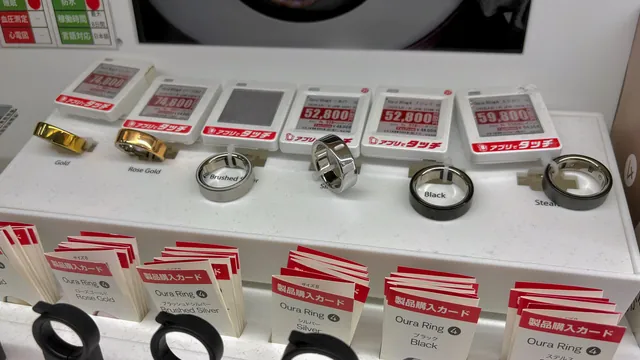
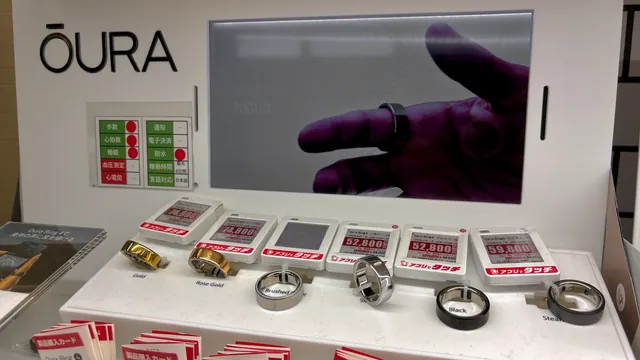
You decide who sees your Oura data, and Oura says it only goes to a data recipient with your consent. What the policy says about sharing, revoking, Oura Advisor, health records and ads, plus a short note on Apple Health.
Part of our Oura guide
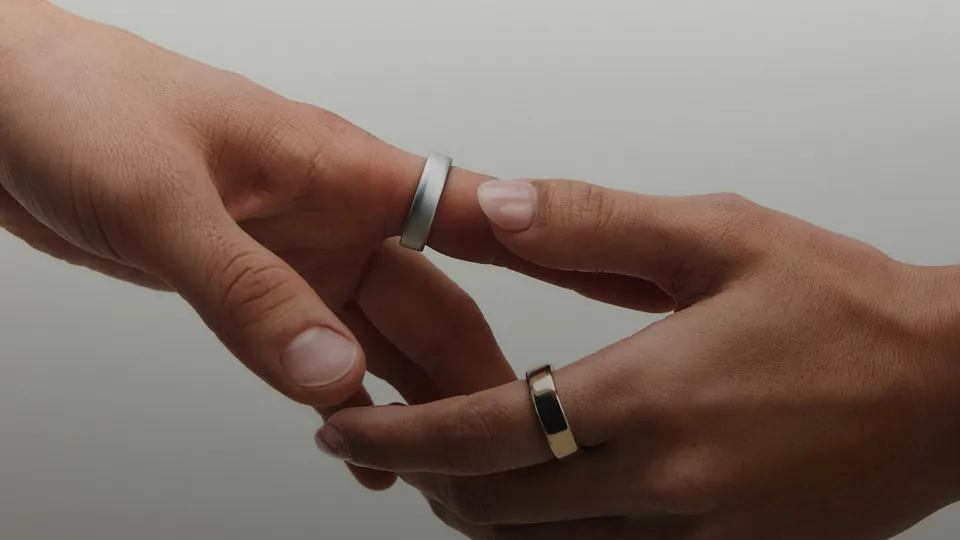
With an Oura ring, the short answer is that you decide. Oura's privacy policy, dated June 15, 2026, says: "Your personal data is disclosed to the Data Recipient only if you give consent." The same policy says Oura "does not sell or rent your personal information, and only shares your personal data with certain trusted service providers and partners." Apple's side is thinner in the pages we read, so it gets a short section at the end.
This guide is based on Oura's Health Privacy Policy, dated June 15, 2026, and on two Apple pages, all read on Nov. 18, 2026. The Apple pages show no publication date. Policies can change: Oura says it reserves "the right to update this Policy from time to time at our sole discretion." Nothing here is legal advice or a statement about how accurate any device is.
Who the Oura policy covers
The policy applies to "processing of personal data by Oura Inc, Oura Health Oy, Ouraring Inc., and subsidiaries." It covers the ring, the Oura App, Membership Hub and other services.
Sharing with a doctor, coach or employer
Oura's Enterprise Platform lets a member share data with a doctor, coach, trainer, employer, researchers or another person. It starts with an invitation, and the policy says: "The invitation you receive will notify you of the scope, type, and time period of your data that is requested to be shared with your consent."
The policy doesn't say who can send an invitation, or whether every member can use this feature. Oura also says that if you direct it to send your data to a third party, "that third party’s own privacy practices and terms will govern what it does with your personal data."
For one example of a physician service, see our report on Oura's deal for Counsel Health, which covers when physicians see a member's data.
Revoking consent: what stops and what doesn't
You can withdraw consent "at any time via Membership Hub", or in the settings of the Services. What that does is limited. The policy says withdrawing consent or changing other consent settings "do not affect the processing of data that the Data Recipient already extracted from Oura Enterprise Platform."
Two more lines matter here:
- You can choose to delete your data on Oura's Enterprise Platform that was already shared. The policy doesn't say the recipient's copy is deleted.
- Oura says: "Because we cannot recall data that a third party has already received, you should also exercise any deletion or withdrawal rights directly with the third party."
In practice, the time to decide is before you accept an invitation. For canceling, exporting a CSV and deleting an account, see our Oura membership guide.
Integrations you choose
Oura says that "with your permission, our Services may integrate with third parties, including Google Health Connect and Apple HealthKit, LLM providers, or other partner experiences." For these, the policy says disconnecting "prevents future access", and it adds that data already received can't be recalled.
Oura Advisor and AI
The policy describes Oura Advisor as "an AI assistant that, when you engage with the feature, provides personalized wellness guidance based on information you submit to Oura or direct our Services to collect." Text you submit to AI assistants is on the list of data Oura processes. For account questions, the policy says Oura "may use the provided information to answer your questions, and for solving any issues you may have."
Oura also describes AI development uses:
- Oura says it may collect and use personal data "to develop, test, improve, and support Oura’s own AI, machine learning," and large-model features of its own. The sentence that follows covers third-party LLMs only.
- "Where appropriate, we use privacy-protective measures, like pseudonymization, aggregation, or de-identification."
- "We do not sell personal data for the purpose of training third party Large Language Models (“LLMs”)."
The policy also says the features are "designed to provide general wellness information and not to make legal or similarly significant decisions about you."
What the policy doesn't say: whether Advisor conversations are left out of Oura's own AI development, whether members can opt out, or which LLM provider powers Advisor. It mentions LLM providers only as possible integrations.
Health records you can connect
A member can connect a healthcare provider, a health plan or another source. The policy says that by doing so, "you are directing that organization to share your electronic health records with Oura." Records "may include visit summaries, clinical notes, diagnoses, medications, allergies, immunizations, lab results, vital signs, and care plans."
After that, per the policy: "Once those records reach Oura, we act as the controller of that data, and this Policy governs our processing." Oura adds that it "is not a Business Associate of that entity for purposes of this sharing." It also says: "We process your sensitive personal data only with your consent."
Ads: what the policy says, word for word
The policy handles advertising in several places, and the sentences differ.
| Policy section | Exact wording |
|---|---|
| Device and app users | "we use cookies and similar technologies on our website to create audiences for online advertisement. We do not sell or share your personal data for cross-context behavioral advertising." |
| Online customers and site visitors | "we use cookies on our Site to measure the effectiveness of our marketing, understand how visitors interact with our Sites, and provide contextual advertising." |
| Sensitive data | "We do not use sensitive personal information for targeted advertising and we do not sell or share personal information for cross-context behavioral advertising." |
| Sales | "In the preceding twelve (12) months, Oura has not sold personal information to third parties, including data aggregators, as it is against our policies." |
Separately, Oura says it "does not share Service data with third-party advertisers." The cookie sentences are about Oura's website, and the no-sale sentence is about personal data. We read them only as written, and the policy doesn't link them further.
Other cases when Oura may disclose data
The policy lists situations such as "When we have your express consent to do so;" and "When it is reasonably necessary for our legitimate interests in conducting our business, such as in the event a merger, acquisition, or sale;". For government requests, it says: "We review each law-enforcement and government request for personal data on a case-by-case basis." The policy doesn't name Counsel Health in these passages.
Apple Watch: a short note
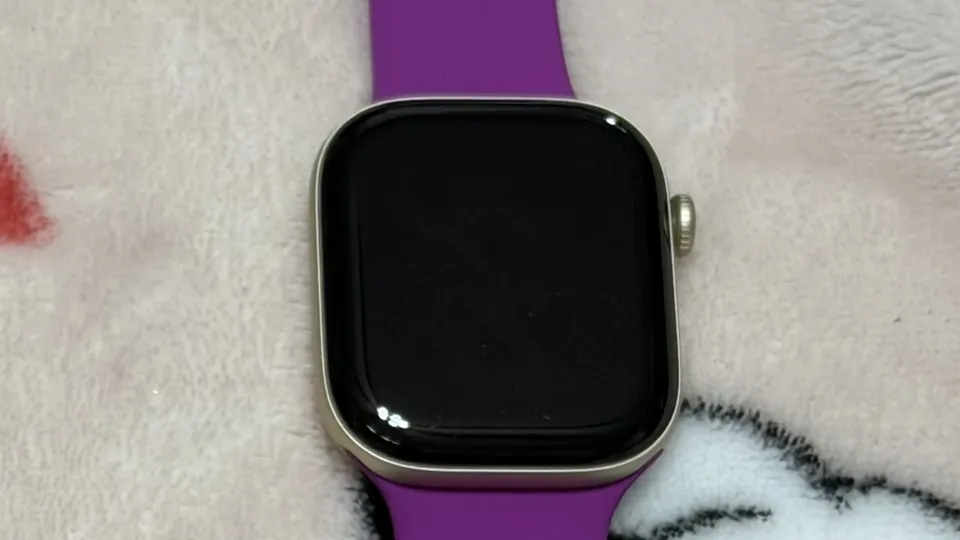
Apple's privacy features page says: "You decide what information is placed in the Health app as well as who can access your data." On iCloud, it says: "Any Health data backed up to iCloud is encrypted both in transit and on our servers." It adds a condition: "if you use a recent version of watchOS and iOS and turn on two-factor authentication and a passcode, your health and activity data will be backed up in a way that Apple can’t read."
Apple's support page on managing Health data says: "Health information is encrypted while it's stored in iCloud and as it goes between iCloud and your device." Neither page uses the words "end-to-end", so we don't describe it that way. The support page also says that if Health data syncs over iCloud, deleting data on one device removes it from all synced devices on the same iCloud account.
For apps, Apple says that data you share with trusted apps "goes directly from HealthKit to the third-party app and does not traverse Apple’s network." It also says apps that work with HealthKit "are prohibited from using or disclosing HealthKit data to third parties for advertising or other data mining purposes". Apple's page describes sharing with "people important to you or those who are caring for you." Its "Improve Health & Activity" setting sends data to Apple, and Apple says "the data is not used for any other purpose and does not include personally identifiable information." The pages we read don't say whether that setting is on by default.
We did not read Apple's general privacy policy for Health sharing terms, and we make no claims about Whoop or other brands, whose policies we did not read.
Where to go next
Our Oura Ring guide covers the ring, its membership and what's new. The Apple Watch guide does the same for Apple's watch.
Frequently asked questions
Does Oura sell my health data?
Oura's policy says it "does not sell or rent your personal information" and that in the preceding 12 months it has not sold personal information to third parties. It also says it does not share Service data with third-party advertisers.
Can I take back data I already shared with a doctor or coach through Oura?
Not from the recipient. Oura says withdrawing consent does not affect data the recipient already extracted, and that it cannot recall data a third party has received. You can delete the shared data on Oura's Enterprise Platform.
Is Apple Health data end-to-end encrypted in iCloud?
The Apple pages read for this guide don't use the words end-to-end. Apple says Health data is encrypted in transit and on its servers, and backed up in a way Apple can't read if you meet its conditions.
Are there rules for what Whoop or other brands do with health data?
Every company has its own policy. This guide covers only Oura and Apple, because those are the two policies read directly for it.
Sources
Join the conversation
Questions, or something to add? Talk about it with other smart glasses owners in r/Talaya, our community on Reddit.