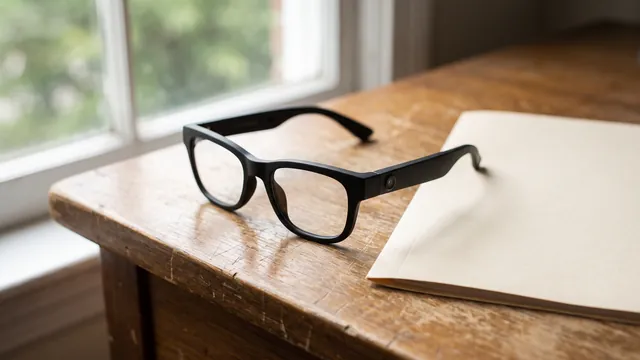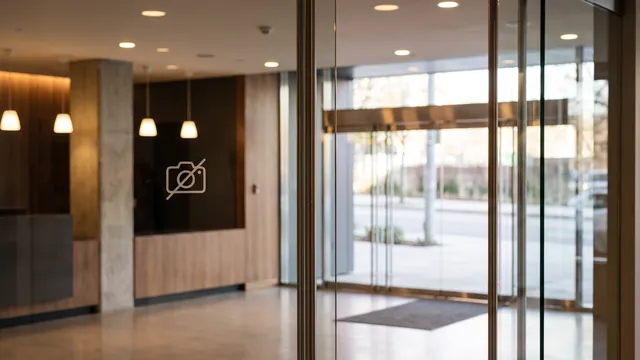
South Korean lawmakers propose rules to stop covert filming with smart glasses
A group of South Korean lawmakers led by Rep. Lee Ju-hee proposed on Monday, Nov. 23 (Korea time), rules that would require smart glasses to signal when they record and users to notify people nearby first, according to Yonhap and The Korea Times.
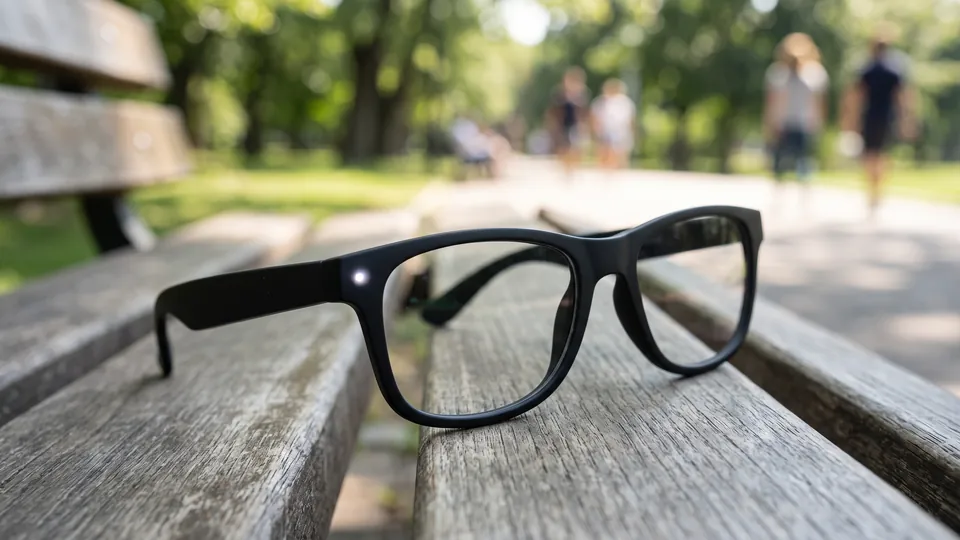
A group of South Korean lawmakers proposed on Monday, Nov. 23 (Korea time), a revision to rules that would make smart glasses signal to others when they take photos or record video. According to Yonhap, the proposal would also set guidelines so that users notify people nearby before they photograph or film. The lead sponsor is ruling Democratic Party Rep. Lee Ju-hee, Yonhap reports, and The Korea Times carries the same story.
The details of the proposal come from those two reports. Talaya found no primary document: the National Assembly's bill system does not list this bill on its main page, and we could not read the bill text or an official notice.
What was proposed
The Korea Times and Yonhap describe two pieces:
- A signal built into the glasses. The rules would require smart glasses to include functions that signal to others when photos are taken or videos are recorded.
- A notice from the wearer. The proposal would set guidelines for users of smart glasses to notify people nearby before taking a photo or recording a video.
Yonhap reports that violators could face fines of up to 10 million won (US$7,424), a figure The Korea Times repeats. Neither report says who would be fined, the maker, the wearer or both.
Why lawmakers say they are acting
Yonhap says the move follows concern that smart glasses are being used for spy cams and for cheating at national or corporate exams. It also quotes Lee as wanting to prevent cases where people belatedly discover themselves being covertly filmed with smart glasses online.
The Korea Times quotes Lee as saying: "We plan to prepare guidelines to protect people's privacy from the recording phase."
The Korea Times also notes that widely used devices, such as Meta AI glasses, have a bright white LED that lights up or blinks during capture. It adds that lower-priced models are said either to lack such a feature or to make it hard for others to detect recording. It names none of those models, and neither report says the proposal targets any particular maker.
What it could mean for owners and buyers
The reports describe a proposal and give no sign of when or whether it would take effect. The two parts work differently: one is a feature built into the glasses, the other is a notice the wearer gives to people nearby. Neither report says whether makers, sellers or wearers would carry the signal requirement.
The reports do not define "smart glasses" or say what the signal would be, whether a light, a sound or something else. They also do not say whether the user guidelines would be binding or advisory.
What is still unknown
- The bill's number, formal title and the law it would amend. Neither outlet names one.
- Whether this is one bill or several. Both outlets describe "a revision".
- Committee referral, hearing dates, a vote or the odds of passage.
- An effective date or transition period.
- Who enforces the fines and how, and whether any criminal penalty applies. Neither report mentions one.
- Whether the government supports the proposal.
- Whether Meta, Google, Samsung or any other maker has responded. Neither report includes a company reply.
A wider pattern
The proposal lands amid a run of official reactions to camera glasses. Punjab's Home Department extended its Section 144 restrictions for another 30 days, according to Dunya News, in an order that covers hidden recording devices including smart glasses with concealed cameras. In Ireland, a parliamentary committee made a recommendation on glasses privacy that creates no ban. In the EU, the EDPB adopted a statement on smart glasses that sets no deadline and no penalty.
South Korea has also been dealing with the exam side of the problem. In October, the Ministry of Education said it would push to raise the exam suspension for students who cheat with smart glasses from one year to three, as covered in our earlier report. That is a separate measure from this proposal. Our Nov. 15 Brief has earlier Korean coverage of AI glasses and exam cheating.
We will update this article if the Assembly publishes the bill text or a notice.
Sources
Join the conversation
Questions, or something to add? Talk about it with other smart glasses owners in r/Talaya, our community on Reddit.