Dutch consumer group takes Meta to court over camera glasses privacy
The Consumentenbond, the Dutch consumer association, has sued Meta over its camera glasses, with a hearing set for Nov. 26 in Amsterdam. It wants changes first and asks for a sales ban only if Meta says compliance is impossible.
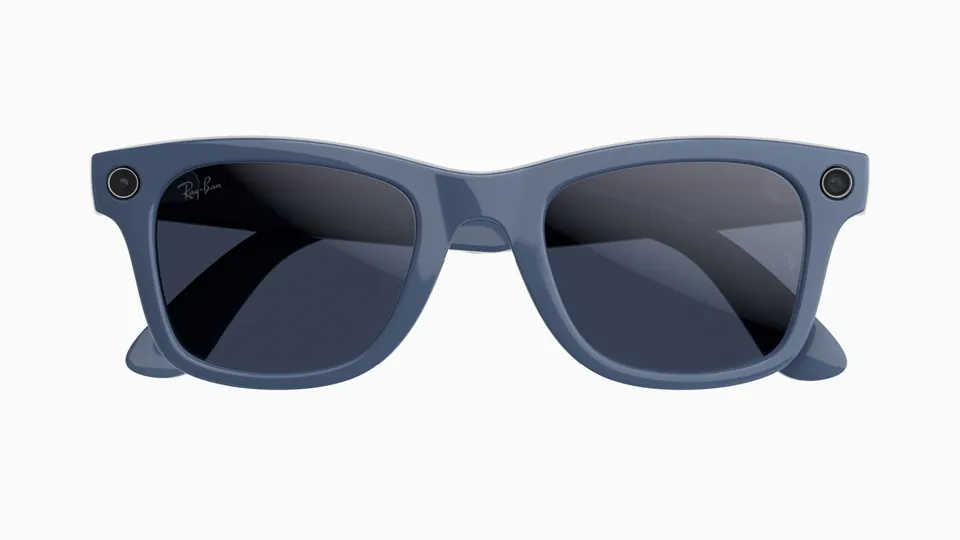
The Consumentenbond, the Dutch consumer association, says it has taken Meta to court over its camera glasses. According to the association's Oct. 15 announcement, the hearing is on Nov. 26, 2026 at the Amsterdam district court, which is today. We found no report of what happened at the hearing, so treat it as scheduled, not decided.
Some headlines about the case speak of Dutch "groups" asking a court to halt sales. The pages we could read name one group, the Consumentenbond, and describe a sales ban only as a fallback. We could not confirm a second group.
What the association asks the court to order
The Consumentenbond's main demand is that Meta change the glasses and their default settings so they meet privacy law. It also says Meta must stop what it calls unlawful processing of data for AI. If the court sides with the association, it says Meta must make the changes within two weeks.
The sales ban comes second. The association says that if Meta argues the glasses cannot be made to comply with the law, it wants a ban on selling them. It also argues for an exception for people with a medical need, such as blind and low-vision users, in the event of a ban.
The privacy grounds
The association's pages give these reasons:
- The glasses can film bystanders without their consent.
- Footage can reveal political opinion, religion and health, which the association calls special personal data that may not simply be processed.
- Images of children are captured with the glasses.
- Meta can use the recordings and sound clips to train its AI models. This is the association's claim.
- The light meant to warn people that recording is under way is not visible enough to bystanders and can be covered, according to its Sept. 29 demand letter page.
That earlier page says the association holds Meta responsible for the processing of personal data through the glasses, and that it gave Meta two weeks to change them or face a lawsuit. The Oct. 15 page says it went to court because Meta refused.
What Meta has said
We found no Meta statement on the Dutch case. We also found no case number, no filing date for the summons and no word on which Meta glasses are covered. The association's pages do not name a model, so we cannot say whether the case concerns Ray-Ban Meta, Oakley Meta or both. Everything above about Meta is the association's position, and no court has ruled.
What it means for owners and buyers
We found nothing saying sales in the Netherlands or elsewhere in the EU are affected, and no ruling or judgment date. We also found no Dutch price or availability information tied to the case.
If you own a pair, the parts worth watching are the ones that touch how the glasses work. The association wants Meta to change the glasses and their default settings and to stop what it calls unlawful processing of data for AI. Its complaint about the recording light is one of its grounds, but its pages do not list a specific change to the light among its demands.
How it fits with other European moves
The case follows advice from the Dutch data protection authority telling consumers not to buy AI camera glasses for general use, which we reported on Nov. 19. That advice is a separate action by a regulator, and it names no brand. The Consumentenbond case is brought by a private association against Meta.
On Nov. 24, Germany's consumer association filed suits over covert recording. Our report on those suits found nothing saying the glasses are pulled from sale in Germany or the EU. The Dutch case rests on a similar worry about bystanders, but it is a separate proceeding in a different country.
What to watch next
The next step is the Amsterdam court's reaction to the Nov. 26 hearing: whether it rules, when, and whether Meta answers publicly. We will update this report if a primary source, either the court, the association or Meta, publishes one.
Sources
Join the conversation
Questions, or something to add? Talk about it with other smart glasses owners in r/Talaya, our community on Reddit.