Samsung's sleep apnea feature adds three levels on Galaxy Ring and Watch, Korea first
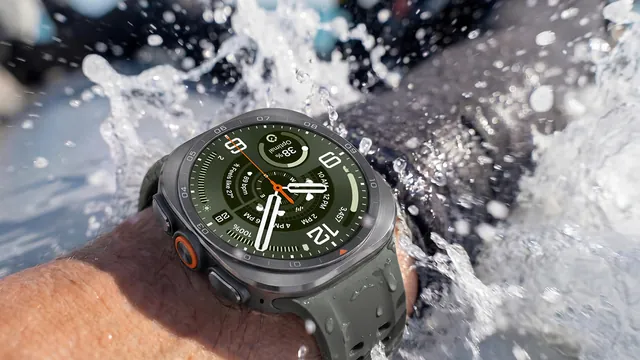
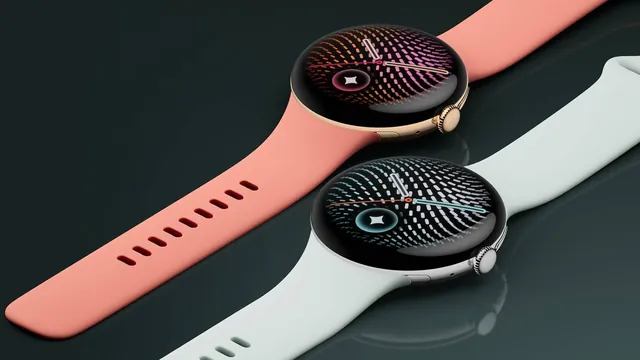
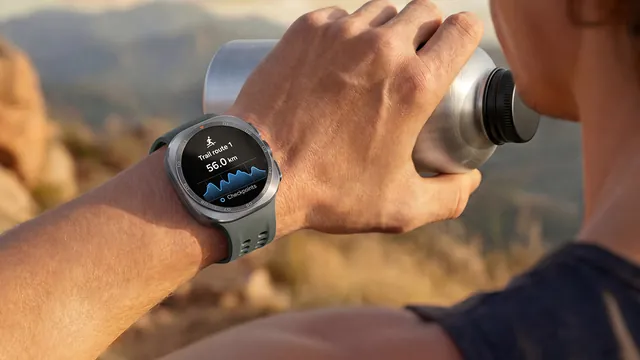
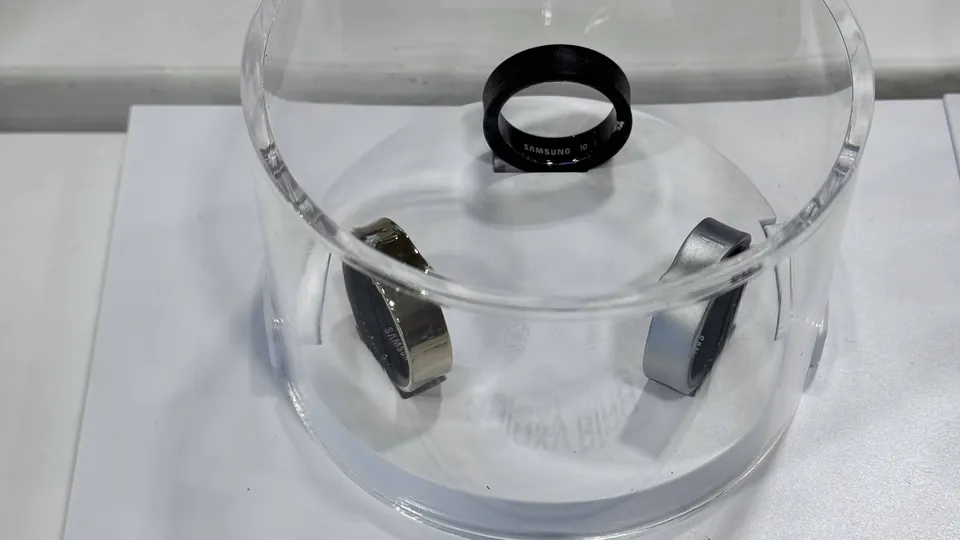
Samsung said on Oct. 28 that its enhanced sleep apnea feature, which sorts breathing disturbances into mild, occasional and frequent, now has South Korean clearance. It starts in Korea in November on the Galaxy Ring, Watch9 and Watch Ultra2. Samsung has not said when US owners get it.
Samsung's sleep apnea feature is getting a more detailed result. According to Samsung's Korean newsroom, the enhanced version uses an AI algorithm to analyze how many breathing disturbances happen per hour during sleep, then sorts the result into three levels: mild, occasional or frequent. Samsung said on Oct. 28 (Korean time) that the feature, which received US FDA approval in July, has now also received authorization from South Korea's Ministry of Food and Drug Safety (MFDS).
The release is in Korean, and the translations here are ours. We found no English-language Samsung page for the announcement.
What changes for owners
Until now, the feature only told you whether signs of sleep apnea were present. The new version grades them. Samsung says the older presence-only check stays available on Galaxy Watch4 and later models running Wear OS 5.0 or later.
The feature runs in the Samsung Health Monitor app on Galaxy devices. To get a result, Samsung says you need to record two sleep sessions of at least five hours each within 10 days. It is meant for people 18 or older who have no history of a sleep apnea diagnosis, and Samsung says it does not replace professional medical diagnosis or consultation.
Which devices, and when
Samsung says the new version comes first to South Korea in November, on the Galaxy Watch Ultra2, Galaxy Watch9 and Galaxy Ring. FN News, a Korean business daily, reports the same list in English.
Existing models are next. Samsung says future software updates will bring it, one model after another, to existing watches such as the Galaxy Watch7 and Watch8, which need Wear OS 7.0 or later. It gives no date. Android Authority also names the Watch7 and Watch8.
Other outlets describe the device list differently. Tech Times says the clearance extends to the full Galaxy Watch lineup, while SamMobile says the feature will not come to older models. Neither matches Samsung's release, so we are using Samsung's list.
The Korean clearance
Samsung's release traces the feature's regulatory history. South Korea's MFDS approved the original feature as software as a medical device in September 2023, and the FDA granted it De Novo status in February 2024. The release also says Brazil's ANVISA approved it in 2025. Samsung says the feature is offered in 84 countries but does not list them. That figure covers the sleep apnea feature overall, not necessarily the new three-level version.
Tech Times reports that the Korean clearance covers a v2.0 algorithm that combines photoplethysmography (PPG) signals, the optical heart-rate sensing in the Ring and watches, with actigraphy, which tracks movement. Samsung's release does not describe the sensor method, so treat that as unconfirmed. Android Authority also says the Galaxy Ring became the first FDA-cleared ring for sleep apnea detection earlier in 2026. That claim appears in outlet coverage only, not in Samsung's release.
What's still unknown for US owners
Samsung's release gives the month of the FDA approval, July, but no US rollout date. Android Authority says Samsung "hasn't offered any information on the feature's availability outside of South Korea." Several questions stay open:
- Whether and when the three-level result reaches US owners.
- Whether Galaxy Ring owners outside Korea get it at all.
- When the Watch7 and Watch8 update arrives.
- Whether the US version of the older presence-only check changes.
Samsung hasn't said what changes for US owners. Our Galaxy Watch guide explains what the existing FDA-cleared feature does and how Samsung describes its limits, and our Galaxy Ring guide covers the Ring's price, sizes, battery and phone support.
Samsung also cites the US National Sleep Foundation in its release: about 25% of US men and 10% of US women have sleep apnea, and many do not know it. If you suspect you have it, a clinician is the route to a diagnosis, whatever a wearable reports.
Sources
Join the conversation
Questions, or something to add? Talk about it with other smart glasses owners in r/Talaya, our community on Reddit.